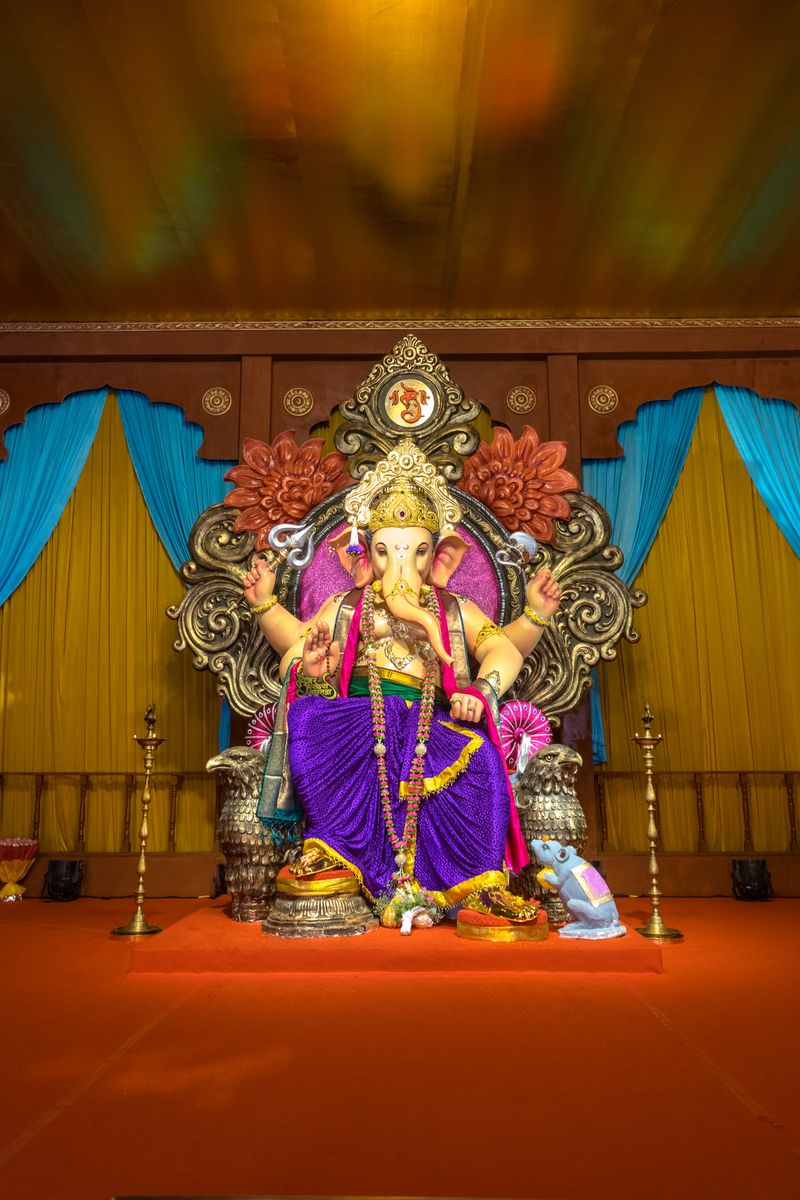
जब आप मुंबई के प्रभादेवी में सिद्धिविनायक मंदिर के सामने खड़े होते हैं, तो आप उस जगह की खास ऊर्जा को महसूस कर सकते हैं, जो प्राचीन भक्ति और आधुनिक हलचल भरे शहर के जीवन का मिश्रण है। यह सिर्फ कोई साधारण मंदिर नहीं है; यह उम्मीद की एक किरण है, एक ऐसी जगह जहाँ बाधाओं को दूर करने और आध्यात्मिक ऊंचाइयों को प्राप्त करने के लिए अनगिनत प्रार्थनाएँ की गई हैं।
एक साधारण शुरुआत की कहानियाँ
सिद्धिविनायक की कहानी किसी बड़ी घोषणा से नहीं, बल्कि एक साधारण लेकिन गहरे दृष्टिकोण से शुरू होती है। कहा जाता है कि मंदिर को इसके वर्तमान स्वरूप में 1801 में स्थापित किया गया था, जिसका निर्माण लक्ष्मण विठु पाटिल नामक एक धनी जमींदार ने करवाया था। हालाँकि, ऐसा माना जाता है कि मूर्ति स्वयं बहुत पुरानी है, और स्थानीय किंवदंतियाँ इसे उस तारीख से भी पहले की बताती हैं, संभवतः 17वीं शताब्दी की, जो मूल रूप से एक छोटी सी संरचना में स्थापित थी।
स्थापना की कहानी विशेष रूप से दिल छू लेने वाली है। एक निःसंतान महिला, देउबाई पाटिल, को स्वयं देवता गणेश का आशीर्वाद मिला था। आभार के रूप में, उन्होंने उनके सम्मान में एक मंदिर बनाने का संकल्प लिया, जिससे यह सुनिश्चित हो सके कि उनकी दिव्य उपस्थिति समान इच्छाओं और कठिनाइयों का सामना करने वाले कई अन्य लोगों को आशीर्वाद दे। इस निस्वार्थ कार्य ने आज हम जो सिद्धिविनायक मंदिर जानते हैं, उसकी नींव रखी, जो विश्वास और दिव्य कृपा की शक्ति का प्रमाण है।
कौन हैं भगवान सिद्धिविनायक?
भगवान गणेश, जिन्हें यहाँ सिद्धिविनायक के नाम से जाना जाता है, हिंदू धर्म के सबसे प्रिय देवताओं में से एक हैं। उनका अनूठा रूप – एक मानव शरीर पर हाथी का सिर – तुरंत पहचानने योग्य और गहरा प्रतीकात्मक है। उन्हें विघ्नहर्ता, बाधाओं को दूर करने वाले के रूप में पूजा जाता है, जिससे वह किसी भी महत्वपूर्ण कार्य से पहले पूजे जाने वाले पहले देवता बन जाते हैं, चाहे वह शादी हो, कोई नया उद्यम हो, या कोई आध्यात्मिक खोज हो।
सिद्धिविनायक, विशेष रूप से, "सिद्धि या सफलता देने वाले" हैं। उनकी यहाँ उपस्थिति न केवल बाधाओं को दूर करने का वादा करती है, बल्कि विशिष्ट इच्छाओं और आध्यात्मिक उपलब्धियों, या सिद्धियों को प्राप्त करने का भी वादा करती है। वह ज्ञान, बुद्धि और शुभ शुरुआत का प्रतिनिधित्व करते हैं, जो हमें याद दिलाते हैं कि सही मार्गदर्शन और दैवीय कृपा से, किसी भी चुनौती को पार किया जा सकता है।
वास्तुकला का एक रत्न?
हालांकि यह यूनेस्को विश्व धरोहर स्थल नहीं है, सिद्धिविनायक मंदिर एक वास्तुशिल्प चमत्कार है जो भक्ति से जुड़ा हुआ है। वर्तमान संरचना, हालांकि प्राचीन मंदिरों की तुलना में अपेक्षाकृत आधुनिक है, वर्षों से इसका जीर्णोद्धार और विस्तार किया गया है ताकि भक्तों की लगातार बढ़ती संख्या को समायोजित किया जा सके। इसका डिज़ाइन पारंपरिक हिंदू मंदिर वास्तुकला और समकालीन आवश्यकताओं का एक सामंजस्यपूर्ण मिश्रण है।
सबसे खास विशेषता स्वयं भगवान गणेश की मूर्ति है। काले पत्थर की एक ही शिला से तराशी गई, देवता दक्षिण की ओर मुख किए हुए हैं, जिनकी सूंड दाईं ओर मुड़ी हुई है, यह एक दुर्लभ और महत्वपूर्ण चित्रण है। चार हाथों में एक कमल, एक कुल्हाड़ी, रत्नों से भरा बर्तन और एक माला है, जिनमें से प्रत्येक उनकी दिव्य शक्ति के विभिन्न पहलुओं का प्रतीक है। गर्भगृह को जटिल नक्काशी और सुनहरी डिटेलिंग से सजाया गया है, जो पवित्रता का माहौल बनाता है।
सिद्धिविनायक के साथ अपनी ज्योतिषीय क्षमता को अनलॉक करें
वैदिक ज्योतिष में, भगवान गणेश केतु ग्रह और मिथुन लग्न के अधिष्ठाता देव हैं। केतु, चंद्रमा का दक्षिण नोड, अक्सर आध्यात्मिक खोज, अलगाव और कभी-कभी, भ्रम या रुकावटों से जुड़ा होता है। गणेश, विशेष रूप से सिद्धिविनायक की पूजा करना, केतु-संबंधी चुनौतियों को हल करने, भ्रम को दूर करने और आध्यात्मिक विकास का मार्ग प्रशस्त करने के लिए अविश्वसनीय रूप से शक्तिशाली माना जाता है।
इसके अलावा, गणेश बुध (Mercury) ग्रह को नियंत्रित करते हैं, जो बुद्धि, संचार और तर्क का ग्रह है। जब बुध पीड़ित होता है, तो यह अनिर्णय और संचार में बाधाओं का कारण बन सकता है। सिद्धिविनायक के दर्शन करने से विचारों में स्पष्टता आती है और आपकी बौद्धिक क्षमताएं बढ़ती हैं, जिससे आप जीवन की जटिलताओं को अधिक आसानी से navigate कर पाते हैं। मंगलवार, या मंगलवार, मंगल ग्रह, ऊर्जा और क्रिया का ग्रह, को समर्पित है, और गणेश पूजा के लिए विशेष रूप से शुभ माना जाता है। ऐसा माना जाता है कि इस दिन, देवता की इच्छाओं को पूरा करने और बाधाओं को दूर करने की शक्ति बढ़ जाती है, जिससे आपकी यात्रा विशेष रूप से शक्तिशाली हो जाती है। मोदक, गणेश का पसंदीदा मीठा व्यंजन, का प्रसाद चढ़ाना एक गहरा प्रतीकात्मक कार्य है, जो आध्यात्मिक अनुभूति की मिठास और भक्ति के पुरस्कारों का प्रतिनिधित्व करता है।
जब सितारे आपकी यात्रा के लिए संरेखित होते हैं
कुछ ज्योतिषीय अवधियाँ सिद्धिविनायक में दिव्य ऊर्जा को बढ़ाती हैं, जिससे इन समयों के दौरान एक यात्रा अविश्वसनीय रूप से परिवर्तनकारी हो जाती है। जब आप किसी चुनौतीपूर्ण ग्रहों की अवधि से गुजर रहे होते हैं, जैसे कि केतु, बुध, या मंगल (Mangal) से संबंधित कोई अशुभ दशा या गोचर, तो सिद्धिविनायक की तीर्थयात्रा अपार राहत और मार्गदर्शन प्रदान कर सकती है।
उदाहरण के लिए, यदि आप कमजोर या पीड़ित बुध के बुरे प्रभावों का अनुभव कर रहे हैं, जिससे संचार समस्याएँ या सीखने में कठिनाइयाँ हो रही हैं, तो मंदिर के दर्शन करने से संतुलन बहाल करने में मदद मिल सकती है। इसी तरह, यदि केतु आध्यात्मिक बेचैनी या आपके मार्ग में बाधाएँ पैदा कर रहा है, तो सिद्धिविनायक की कृपा आवश्यक सफलता प्रदान कर सकती है। मंगल ग्रह की मजबूत ऊर्जा की अवधि के दौरान भी, इस मंदिर में भक्ति के माध्यम से इसे चैनल करने से आवेगी कार्यों को रोका जा सकता है और आपकी ऊर्जा को रचनात्मक रूप से निर्देशित किया जा सकता है।
अनुष्ठान और उत्सव की लय
सिद्धिविनायक मंदिर साल भर गतिविधियों से गुलजार रहता है, लेकिन कुछ समय विशेष रूप से जीवंत होते हैं। मंदिर अपने दैनिक अनुष्ठानों के लिए प्रसिद्ध है, जिसमें सुबह की प्रार्थना (काकड़ आरती), दोपहर के प्रसाद (नैवेद्य), और शाम की आरती शामिल है। मंगलवार विशेष रूप से व्यस्त रहते हैं, भक्त सुबह से देर रात तक मंदिर में उमड़ते रहते हैं।
गणेश चतुर्थी जैसे प्रमुख त्यौहार, जो अगस्त या सितंबर में मनाए जाते हैं, सबसे भव्य अवसर होते हैं। इस दस दिवसीय उत्सव के दौरान, मंदिर को विस्तृत सजावट से सजाया जाता है, और विशेष पूजा की जाती है, जो लाखों भक्तों को आकर्षित करती है। भारी भीड़ के बिना आध्यात्मिक रूप से ऊर्जावान अनुभव के लिए, 'अष्टविनायक' अवधि या पूर्णिमा (Purnima) के दिन, जब चंद्र ऊर्जा आध्यात्मिक कंपन को बढ़ाती है, पर जाने पर विचार करें।
आपकी तीर्थयात्रा आसान बनाई गई
सिद्धिविनायक मंदिर तक पहुँचना सीधा है, क्योंकि यह मुंबई का एक प्रमुख स्थल है। निकटतम प्रमुख हवाई अड्डा छत्रपति शिवाजी महाराज अंतर्राष्ट्रीय हवाई अड्डा (BOM) है, जहाँ से आप टैक्सी या पूर्व-बुक की गई कार सेवा ले सकते हैं। मंदिर दादर या एलफिंस्टन रोड स्टेशनों तक स्थानीय ट्रेनों से आसानी से पहुँचा जा सकता है, जिसके बाद एक छोटी ऑटो-रिक्शा या बस यात्रा की जाती है।
सुहावना मौसम और कम भीड़ के लिए यात्रा का सबसे अच्छा समय सर्दियों के महीनों, अक्टूबर से मार्च तक होता है। मानसून का मौसम (जून से सितंबर) सुंदर हो सकता है, हरी-भरी हरियाली के साथ, लेकिन भारी बारिश की उम्मीद करें। जहाँ तक ड्रेस कोड की बात है, तो स्थान की पवित्रता का सम्मान करने के लिए कंधों और घुटनों को ढकने वाले शालीन कपड़े पहनने की सराहना की जाती है। 'दर्शन' (देवता को देखना) का समय आम तौर पर सुबह लगभग 5:30 बजे से देर रात तक होता है, लेकिन सबसे वर्तमान समय की जाँच के लिए आधिकारिक मंदिर वेबसाइट की जाँच करना हमेशा बुद्धिमानी है।
एक उज्जवल मार्ग के लिए उपाय
भक्त विभिन्न प्रकार की जीवन की चुनौतियों के समाधान के लिए सिद्धिविनायक आते हैं। सबसे आम और शक्तिशाली उपाय विशेष 'सिद्धिविनायक पूजा' है, जिसे भगवान गणेश के प्रति अत्यंत भक्ति के साथ किया जाता है। इस पूजा को सभी प्रकार की बाधाओं को दूर करने, सौभाग्य प्रदान करने और भक्त की इच्छाओं को पूरा करने के लिए माना जाता है।
कई लोग शक्तिशाली गणेश मंत्रों का भी जाप करते हैं, जैसे "ॐ गं गणपतये नमः," जो सफलता और कल्याण के लिए भगवान के आशीर्वाद का आह्वान करता है। लोग मुख्य रूप से करियर की बाधाओं, वित्तीय संघर्षों, स्वास्थ्य समस्याओं, या व्यक्तिगत संबंधों में आने वाली बाधाओं से राहत पाने के लिए आते हैं। इन बाधाओं को दूर करने और समृद्धि और शांति लाने के लिए सिद्धिविनायक में रखा गया विश्वास गहरा है।
एक चीज जो आप आज कर सकते हैं
अपने दिन की शुरुआत "ॐ गं गणपतये नमः" का कम से कम 108 बार जाप करके करें। भगवान सिद्धिविनायक की कल्पना करें जो आपके किसी भी मानसिक अवरोध को दूर कर रहे हैं, आपके विचारों और कार्यों को स्पष्टता प्रदान कर रहे हैं। यह साधारण अभ्यास आपको दूर से भी, देवता की दयालु ऊर्जा के साथ संरेखित कर सकता है।
टिप्पणियाँ
🔮 इस लेख पर अपनी राय साझा करें — लॉगिन करें
लॉगिन करें →