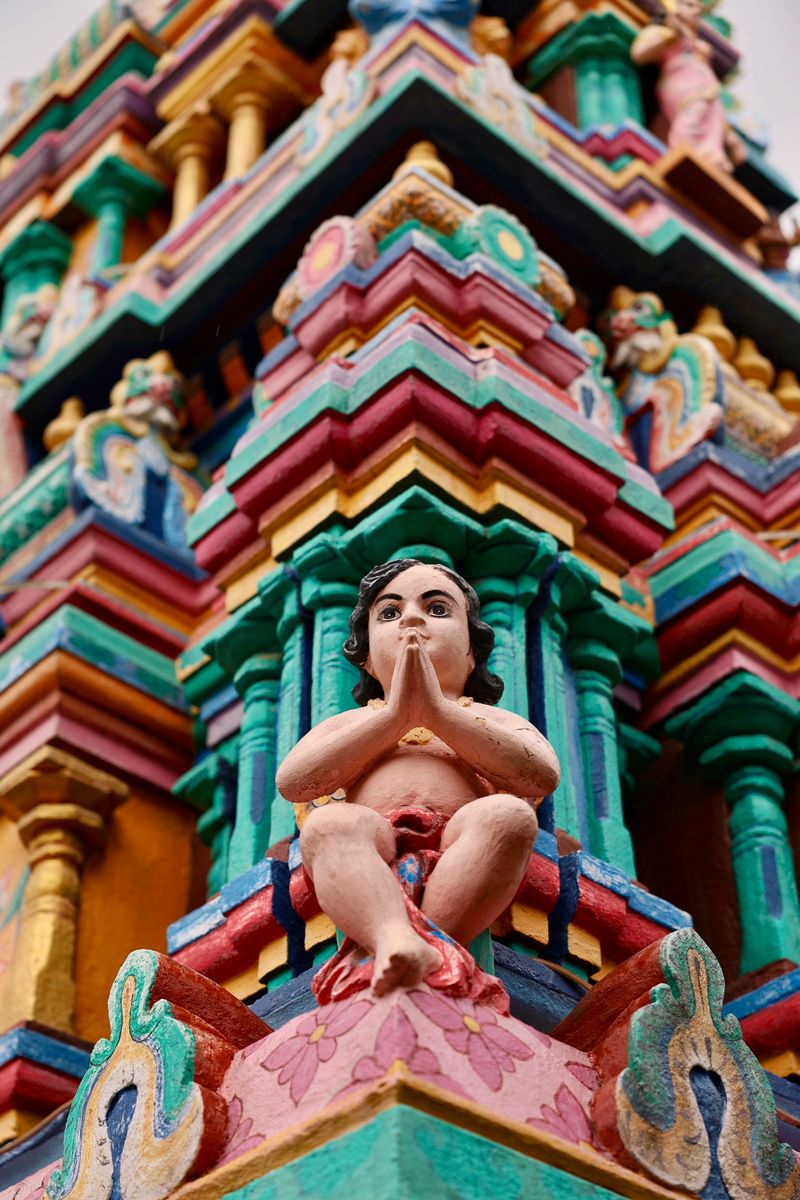
म yleapore, चेन्नई की हवा में एक ऐसी ऊर्जा गूंजती है जो प्राचीन और जीवंत दोनों है। इसके केंद्र में शानदार कपालीश्वरार मंदिर खड़ा है, जो द्रविड़ वास्तुकला का एक प्रकाशस्तंभ और एक शक्तिशाली आध्यात्मिक केंद्र है। भगवान शिव के एक रूप भगवान कपालीश्वरार और देवी पार्वती के अवतार देवी कल्पगाम्बल को समर्पित, यह मंदिर केवल पूजा स्थल से कहीं अधिक है; यह दिव्य कृपा और ब्रह्मांडीय संबंध का एक केंद्र है।
यह पवित्र स्थान कहाँ से आया?
कपालीश्वरार मंदिर की सटीक उत्पत्ति सदियों से फुसफुसाई जाने वाली किंवदंतियों में डूबी हुई है। जबकि वर्तमान संरचना संभवतः 16वीं शताब्दी की है, जिसका निर्माण विजयनगर राजाओं ने करवाया था, इसकी स्थापना की कहानी बहुत पुरानी है। कहा जाता है कि देवी पार्वती, भगवान शिव की पूजा करने की अपनी तीव्र इच्छा में, एक मोरनी का रूप धारण कर लिया, जिसे तमिल में 'मयिल' कहा जाता है, इसलिए इसका नाम Mylapore पड़ा। उन्होंने तपस्या की और रेत और पानी से बने शिव लिंग की पूजा की, जिसके बारे में माना जाता है कि यह वही लिंग है जो यहां स्थापित है। भक्ति के इस आदिम कार्य ने इस पवित्र भूमि के लिए आध्यात्मिक स्वर निर्धारित किया।
दिव्य युगल: कपालीश्वरार और कल्पगाम्बल
भगवान कपालीश्वरार, "सर्प को कर्णभूषण के रूप में धारण करने वाले भगवान" भगवान शिव का एक शक्तिशाली प्रतिनिधित्व हैं, जो विनाशक और परिवर्तक हैं। वह सृजन और विघटन के ब्रह्मांडीय नृत्य का प्रतीक हैं, जो अंतिम वास्तविकता और मुक्ति का संकेत देते हैं। देवी कल्पगाम्बल, जिनका नाम "इच्छा-फल देने वाले वृक्ष की देवी" है, शिव की प्रिय पत्नी हैं, जो दिव्य स्त्री ऊर्जा, प्रचुरता और पोषण शक्ति का प्रतिनिधित्व करती हैं। साथ में, वे चेतना और ऊर्जा के आदर्श मिलन का प्रतिनिधित्व करते हैं, पुरुष और प्रकृति, जो ब्रह्मांडीय संतुलन और व्यक्तिगत आध्यात्मिक विकास के लिए आवश्यक हैं।
पत्थर में एक सिम्फनी: स्थापत्य चमत्कार
कपालीश्वरार मंदिर द्रविड़ वास्तुकला की प्रतिभा का एक लुभावनी प्रमाण है। इसका विशाल गोपुरम (प्रवेश द्वार टॉवर), देवताओं और पौराणिक प्राणियों की जटिल मूर्तियों से सजा हुआ है, जो देखने लायक है। जैसे ही आप मंदिर परिसर में चलते हैं, आपको स्तंभों वाले हॉल, मंडपों और पवित्र सന്നിधियों में दिखाई देने वाली सूक्ष्म शिल्प कौशल दिखाई देगी। मंदिर की रूपरेखा प्राचीन वैदिक सिद्धांतों का पालन करती है, जिसे दिव्य ऊर्जाओं को प्रभावी ढंग से चैनल करने के लिए डिज़ाइन किया गया है। हालांकि यूनेस्को विश्व धरोहर स्थल नहीं है, इसका ऐतिहासिक और सांस्कृतिक महत्व निर्विवाद है, जो इसे दक्षिण भारतीय कला और आध्यात्मिकता का एक जीवित संग्रहालय बनाता है।
आकाशीय हस्ताक्षर और रचनात्मक प्रवाह
यह प्राचीन मंदिर नयनारों, तमिल संतों की भक्ति कविताओं से गहराई से जुड़ा हुआ है, जिन्होंने देवरम के रूप में जाने जाने वाले भजनों की रचना की। इन पवित्र छंदों में भगवान कपालीश्वरार का उल्लेख इसकी प्राचीनता और आध्यात्मिक शक्ति को मजबूत करता है। ज्योतिषीय रूप से, यह मंदिर चंद्रमा, भावनाओं, रचनात्मकता और अंतर्ज्ञान के ग्रह से प्रभावित लोगों के लिए विशेष रूप से शुभ है। जन्म कुंडली में मजबूत चंद्रमा प्लेसमेंट वाले लोग, विशेष रूप से जो अपनी कलात्मक प्रतिभा या संगीत कौशल को बढ़ाना चाहते हैं, उन्हें यहां अपार शांति और प्रेरणा मिलती है। मोरनी के रूप में देवी पार्वती की तपस्या और भगवान मुरुगन (अरुमुगम) के संबंध की किंवदंती भी रचनात्मक प्रयासों और बाधाओं पर काबू पाने के लिए महत्व की परतें जोड़ती है।
आपको उनके आशीर्वाद का कब प्रयास करना चाहिए?
कुछ ग्रहों की चाल कपालीश्वरार मंदिर जाने की आध्यात्मिक शक्ति को बढ़ा सकती है। जब बृहस्पति आपकी 9वीं या 10वीं राशि में गोचर करता है, या अनुकूल शुक्र या चंद्रमा दशा के दौरान, यहां तीर्थयात्रा अविश्वसनीय रूप से परिवर्तनकारी हो सकती है। ये अवधि अक्सर बढ़ी हुई आध्यात्मिक प्रवृत्ति और दिव्य संबंध की इच्छा से चिह्नित होती हैं। शनि का 10वीं या 11वीं राशि में शक्तिशाली गोचर करियर या पूर्ति के लिए भगवान शिव की कृपा प्राप्त करना विशेष रूप से शक्तिशाली बना सकता है। इन ब्रह्मांडीय समय को समझना आपको एक ऐसी यात्रा की योजना बनाने में मदद कर सकता है जो आपकी आध्यात्मिक यात्रा के अनुरूप हो।
त्योहार, अनुष्ठान और जाने का सही समय
यह मंदिर अपने कई त्योहारों के दौरान जीवंत हो उठता है, जिनमें सबसे महत्वपूर्ण ब्रह्माेत्सवम है, जो तमिल महीने पुंगुनी (मार्च-अप्रैल) में मनाया जाता है। इस दस दिवसीय भव्य आयोजन के दौरान, देवताओं को संगीत और वैदिक मंत्रों के साथ भव्य जुलूसों में बाहर ले जाया जाता है, जो भक्ति का एक शानदार प्रदर्शन पेश करता है। पु.रत्तासी (सितंबर-अक्टूबर) में नवरात्रि उत्सव और मार्गाज़ी (दिसंबर-जनवरी) में आर्द्रा दर्शमम भी गहन आध्यात्मिक गतिविधि की अवधि हैं। अधिक शांत अनुभव के लिए, दिसंबर से फरवरी के महीने सुखद मौसम और कम भीड़ प्रदान करते हैं।
आपकी व्यावहारिक तीर्थयात्रा योजना
कपालीश्वरार मंदिर तक पहुंचना सीधा है। निकटतम प्रमुख शहर चेन्नई, तमिलनाडु है, जिसमें चेन्नई अंतर्राष्ट्रीय हवाई अड्डा (MAA) निकटतम हवाई अड्डा है। हवाई अड्डे से या शहर के किसी भी हिस्से से, आप आसानी से टैक्सी किराए पर ले सकते हैं या Mylapore के लिए स्थानीय परिवहन ले सकते हैं। यात्रा करने का सबसे अच्छा मौसम अक्टूबर से मार्च तक ठंडे महीनों के दौरान होता है। यात्रा करते समय, सम्मान के संकेत के रूप में, अपने कंधों और घुटनों को ढककर, विनम्रता से कपड़े पहनना याद रखें। मंदिर का समय आम तौर पर सुबह 5:30 बजे से दोपहर 12:30 बजे तक और शाम 4:00 बजे से रात 9:00 बजे तक होता है, लेकिन वर्तमान समय की जांच करना हमेशा बुद्धिमानी है।
जीवन की चुनौतियों के लिए वैदिक उपाय
भक्त अक्सर विशिष्ट आशीर्वाद और उपाय मांगने के लिए कपालीश्वरार मंदिर जाते हैं। रुद्र अभिषेकम् जैसे विशेष पूजा, भगवान शिव को प्रसन्न करने और बाधाओं, विशेष रूप से स्वास्थ्य, करियर और रिश्तों से संबंधित बाधाओं को दूर करने के लिए किए जाते हैं। देवी कल्पगाम्बल से प्रार्थना करने से समृद्धि, उर्वरता और इच्छाओं की पूर्ति होती है। मंदिर परिसर के भीतर भक्ति के साथ पंचक्षरी मंत्र ('ओम नमः शिवाय') का जाप आध्यात्मिक शुद्धि और आंतरिक शांति के लिए एक शक्तिशाली अभ्यास है।
एक काम जो आप आज कर सकते हैं
अपने दिन की शुरुआत "ओम नमः शिवाय" का 108 बार जाप करके करें। भगवान कपालीश्वरार और देवी कल्पगाम्बल की शांत उपस्थिति की कल्पना करें, जो आपके जीवन में उनकी कृपा का आह्वान करते हैं। यह सरल कार्य आपके दिन को दिव्य ऊर्जा और शांति की भावना से भर सकता है।
टिप्पणियाँ
🔮 इस लेख पर अपनी राय साझा करें — लॉगिन करें
लॉगिन करें →