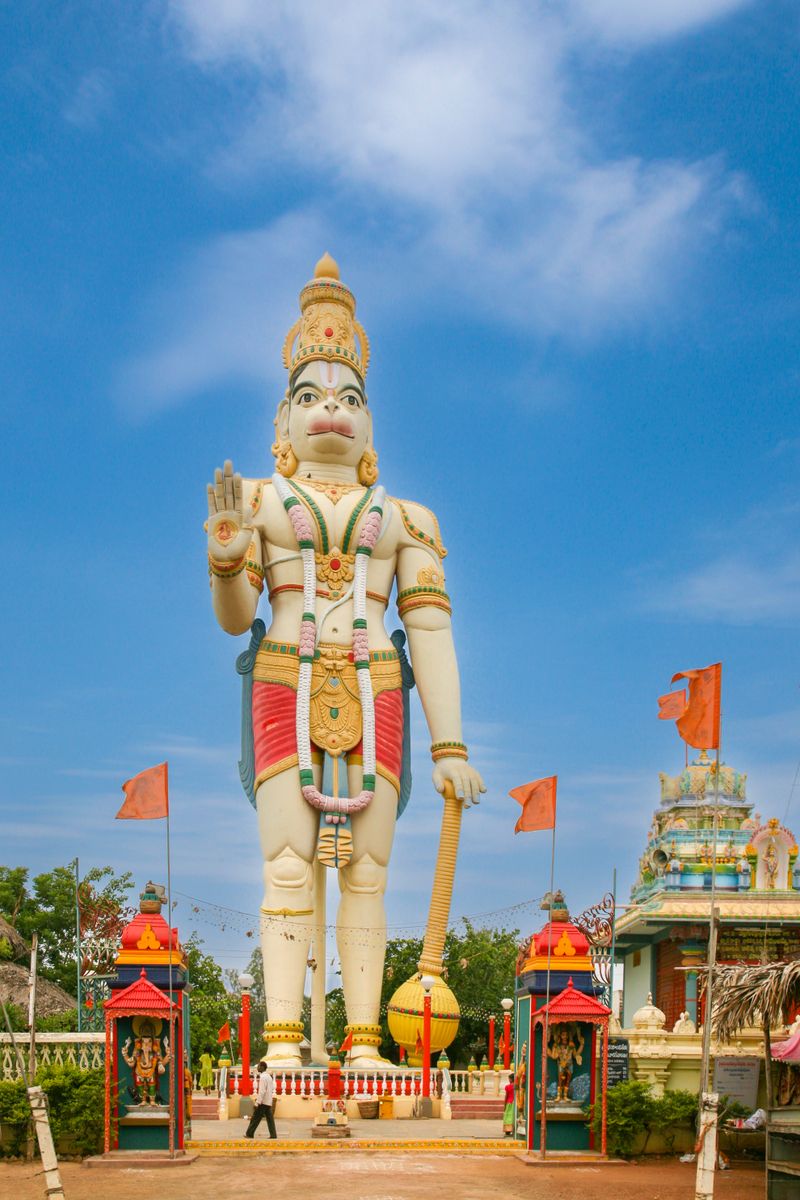
हनुमान जी की प्रभु श्रीराम के प्रति अटूट भक्ति के क्षण की कल्पना करें, जो आपकी अपनी आध्यात्मिक साधना को बदल देती है - जब हनुमान जयंती के दौरान सुंदरकांड का जाप केवल एक अनुष्ठान नहीं, बल्कि दिव्य शक्ति और साहस के साथ एक सीधा संवाद बन जाता है। यह प्राचीन वैदिक अनुष्ठान, जो सदियों से प्रचलित है, सुंदरकांड (रामायण का सुंदर सर्ग) के पाठ के माध्यम से हनुमान जी का आशीर्वाद प्राप्त करता है, आपके घर और हृदय को सुरक्षा, निर्भयता और आध्यात्मिक लचीलापन प्रदान करता है। यदि आपने कभी सोचा है कि इस पवित्र पूजा को ठीक से कैसे किया जाए, तो यह मार्गदर्शिका आपको स्पष्टता और श्रद्धा के साथ हर कदम पर ले जाएगी।
आपको क्या चाहिए (पूजा सामग्री)
हनुमान जयंती पूजा सुंदरकांड पाठ के साथ करने के लिए, इन आवश्यक वस्तुओं को इकट्ठा करें:
- कलश (पवित्र तांबे या पीतल का बर्तन) पानी से भरा हुआ
- गेंदा (मैरीगोल्ड फूल) और लाल फूल - हनुमान जी के पसंदीदा
- सिंदूर - हनुमान जी की मूर्ति पर लगाने के लिए
- घी (स्पष्टीकृत मक्खन) और गुड़
- तिल और केले - पारंपरिक प्रसाद
- अगरबत्ती - अधिमानतः चंदन या जैस्मीन
- दीया (तेल का दीपक) घी या सूती बत्ती के साथ
- मुद्रित या हस्तलिखित सुंदरकांड पाठ (पूरा पाठ)
- हनुमान मूर्ति (मूर्ति) या चित्र - अधिमानतः पूर्व की ओर मुख
- लाल कपड़ा या लाल धागा (मौली) - पवित्र धागा
- प्रसाद सामग्री: दूध, चावल, बेसन हलवा, या लड्डू
- घंटी और शंख - शुभता के लिए
चरण-दर-चरण पूजा विधि
चरण 1: अपने पूजा स्थान (पूजा मंडप) को शुद्ध करके शुरुआत करें। क्षेत्र को साफ करें और तुलसी के पत्तों से युक्त पानी छिड़कें। यह नकारात्मक ऊर्जा को दूर करता है और पवित्र स्थान तैयार करता है।
चरण 2: हनुमान मूर्ति या चित्र को पूर्व की ओर मुख करके एक ऊंचे आसन पर रखें। मूर्ति एक साफ कपड़े पर रखी जानी चाहिए - अधिमानतः लाल या केसरिया, जो हनुमान जी के लिए पवित्र रंग हैं।
चरण 3: कलश को पानी से भरें और इसे मूर्ति के बगल में या पास रखें। बर्तन में फूल, तुलसी के पत्ते और आम के पत्ते डालें, जो समृद्धि और दिव्यता का प्रतीक है।
चरण 4: मूर्ति के सामने दीया जलाएं। लौ भौतिक और आध्यात्मिक अज्ञानता, दोनों - प्रदीप्ति और अंधकार को दूर करने का प्रतिनिधित्व करती है।
चरण 5: घंटी बजाएं और तीन बार शंखनाद करें। यह परमात्मा को आपके इरादे की घोषणा करता है और आपकी श्रद्धा के प्रति दिव्य शक्तियों को सचेत करता है।
चरण 6: "ॐ हनुमते नमः" (मैं हनुमान को नमन करता हूं) का जाप करते हुए हनुमान जी के चरणों में फूल अर्पित करें। साहस और सुरक्षा के अपने इरादे पर ध्यान केंद्रित करते हुए, भक्ति के साथ गेंदे और लाल फूल रखें।
चरण 7: मूर्ति के माथे और शरीर पर सिंदूर लगाएं, जो शक्ति और शुभता का प्रतीक है। यह आपके दाहिने हाथ से, हथेली ऊपर की ओर करके किया जाता है।
चरण 8: एक आरामदायक आसन (सुखासन या पद्मासन) में बैठें और अपनी अगरबत्ती जलाएं। अब सुंदरकांड पाठ - पवित्र पाठ शुरू करें। पूरे पाठ को धीरे-धीरे और ध्यान से जाप करें, प्रत्येक संस्कृत शब्द को स्पष्ट रूप से उच्चारित करें। यदि आप संपूर्ण सुंदरकांड (जिसमें 2-3 घंटे लगते हैं) का पाठ कर रहे हैं, तो आप इसे हनुमान जयंती के दौरान कई दिनों में विभाजित कर सकते हैं।
चरण 9: मूर्ति के चरणों में नैवेद्य (भोजन प्रसाद) अर्पित करें: घी, गुड़, तिल, केले, और तैयार प्रसाद। ये प्रसाद समर्पण और कृतज्ञता का प्रतीक हैं।
चरण 10: दीया या कई बत्तियों वाले दीपक का उपयोग करके आरती (प्रकाश की गोलाकार भेंट) करें। हनुमान चालीसा या भक्ति गीतों का जाप करते हुए इसे मूर्ति के सामने दक्षिणावर्त घुमाएं।
चरण 11: परिवार और भक्तों को प्रसाद (पवित्र भोजन) वितरित करें। यह दिव्य कृपा के देने और प्राप्त करने का चक्र पूरा करता है। अपनी आरती के लिए सटीक शुभ समय जानने के लिए मुहूर्त कैलकुलेटर का उपयोग करें।
चरण 12: अंत में, मूर्ति को पूरी तरह से नमन करें और साहस, सुरक्षा और आध्यात्मिक प्रगति के लिए प्रार्थना करें। अपने कलाई के चारों ओर लाल धागा बांधें या इसे एक धन्य सुरक्षा के रूप में रखें।
सर्वोत्तम समय (शुभ मुहूर्त)
हनुमान जयंती चैत्र कृष्ण अमावस्या (मार्च-अप्रैल में नया चांद) को पड़ती है। हालांकि, क्षेत्रीय रीति-रिवाजों के आधार पर उत्सव अक्सर चैत्र शुक्ल पूर्णिमा (पूर्ण चांद) को मनाया जाता है। अपने स्थान के लिए सटीक तिथि और नक्षत्र विवरण के लिए अपने पंचांग से परामर्श करें।
सुंदरकांड पाठ के लिए सबसे शुभ समय सुबह जल्दी (ब्रह्म मुहूर्त) होता है, सुबह 4:00 बजे से 6:00 बजे के बीच, जब ब्रह्मांडीय ऊर्जा सबसे अधिक ग्रहणशील होती है। यदि सुबह संभव नहीं है, तो देर दोपहर (3:00 बजे के बाद) स्वीकार्य है। राहु काल जैसे अशुभ समय से बचें - अपने शहर में सटीक समय के लिए अपने पंचांग की जांच करें।
महत्व और लाभ
सुंदरकांड रामायण का पांचवां अध्याय है, जिसकी रचना वाल्मीकि ने की थी। यह लंका तक हनुमान की यात्रा का वर्णन करता है - एक कथा जो संदेह पर भक्ति, भय पर साहस और बुराई पर धर्म की विजय का प्रतीक है।
जब आप यह पूजा करते हैं और सुंदरकांड का पाठ करते हैं, तो आप केवल इतिहास को याद नहीं कर रहे होते हैं; आप अपने भीतर उन्हीं शक्तियों का आह्वान कर रहे होते हैं। आध्यात्मिक लाभों में शामिल हैं:
- बाधाओं और नकारात्मक प्रभावों का निवारण
- साहस, आत्मविश्वास और मानसिक स्पष्टता में वृद्धि
- मन और शरीर की शुद्धि
- भक्ति और विश्वास को मजबूत करना
- नुकसान और दुर्घटनाओं से सुरक्षा
- चिंता और भय से मुक्ति
कई भक्तों ने लगातार अभ्यास के बाद गहन मानसिक शांति, बेहतर ध्यान और व्यक्तिगत शक्ति में वृद्धि का अनुभव करने की सूचना दी है।
सामान्य गलतियाँ जिनसे बचें
- सुंदरकांड पाठ के दौरान ध्यान भटकना: विचलित रहते हुए जाप करना आध्यात्मिक प्रभाव को कम करता है। अपना फोन साइलेंट करें और शांत वातावरण बनाएं।
- बासी या अशुद्ध प्रसाद चढ़ाना: सुनिश्चित करें कि सभी भोजन प्रसाद ताज़ा, स्वच्छ और भक्ति के साथ तैयार हों।
- संस्कृत श्लोकों का गलत उच्चारण: पवित्र शब्दों का गलत उच्चारण मंत्र की शक्ति को कमजोर करता है। धीरे-धीरे अभ्यास करें या रिकॉर्डिंग सुनें।
- राहु काल या अशुभ घंटों के दौरान पूजा करना: प्रतिकूल समय से बचने के लिए हमेशा एक विश्वसनीय मुहूर्त कैलकुलेटर का उपयोग करें।
- असंगति: नियमित, ईमानदार अभ्यास से पूजा की शक्ति बढ़ती है। इसे आकस्मिक रूप से या एक बार के अनुष्ठान के रूप में करने से बचें।
अक्सर पूछे जाने वाले प्रश्न
प्रश्न: क्या मैं संस्कृत अच्छी तरह से न जानने पर भी सुंदरकांड पाठ कर सकता हूं?
उत्तर: बिल्कुल। आप लिप्यंतरित संस्करण से पाठ कर सकते हैं या साथ-साथ ऑडियो रिकॉर्डिंग सुन सकते हैं। आपके उच्चारण की पूर्णता से अधिक आपकी भक्ति की ईमानदारी मायने रखती है। कई भक्त अर्थ को गहराई से समझने के लिए हिंदी या अंग्रेजी अनुवाद का उपयोग करते हैं।
प्रश्न: पूरा सुंदरकांड पाठ करने में कितना समय लगता है?
उत्तर: गति और ध्यानपूर्ण ठहराव के आधार पर, एक पूर्ण पाठ में लगभग 2-3 घंटे लगते हैं। कई भक्त इसे 7 दिनों में (प्रति दिन एक सर्ग) विभाजित करते हैं या इसे हनुमान जयंती के दौरान पूरी तरह से करते हैं। वह चुनें जो आपके अभ्यास के लिए टिकाऊ लगे।
प्रश्न: पूजा के बाद प्रसाद का क्या करना चाहिए?
उत्तर: प्रसाद को परिवार के सदस्यों, पड़ोसियों और दोस्तों में वितरित करें। इसे स्वयं कृतज्ञता के साथ ग्रहण करें। इसे कभी बर्बाद न करें; यदि अतिरिक्त बच जाता है, तो इसे गायों, पक्षियों को अर्पित करें या सम्मानपूर्वक मिट्टी में दफना दें। यह दिव्य कृपा का चक्र पूरा करता है।
टिप्पणियाँ
🔮 इस लेख पर अपनी राय साझा करें — लॉगिन करें
लॉगिन करें →