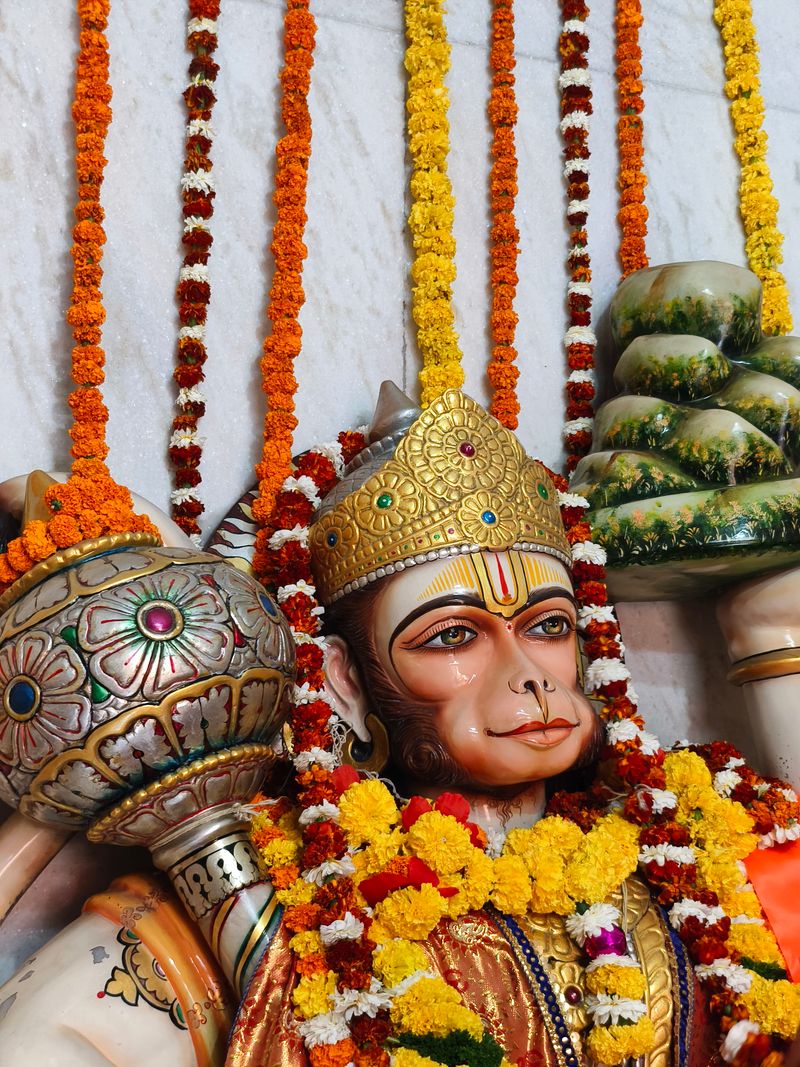
मंदिरों और घरों में भक्त सदियों से चले आ रहे मंत्रों का जाप कर रहे हैं, उनकी आवाजें भगवान हनुमान को समर्पित वसंत की सुबह में एक साथ गूंज रही हैं। हनुमान जयंती,Supreme Devotee का जन्मदिन, सुंदरकांड का पाठ किए बिना अधूरा है - रामायण का सबसे शक्तिशाली भाग जो साहस, निष्ठा और दिव्य कृपा का प्रतीक है। यह पवित्र अनुष्ठान पूजा को सुंदरकांड को पढ़ने या जाप करने की परिवर्तनकारी प्रथा के साथ जोड़ता है, जिससे एक गहरा आध्यात्मिक अनुभव होता है जो हनुमान के साथ आपके संबंध को मजबूत करता है।
आपको क्या चाहिए (पूजा सामग्री)
- हनुमान मूर्ति (भगवान हनुमान की मूर्ति या छवि)
- कलश (पानी से भरा पवित्र तांबे या पीतल का बर्तन)
- चंदन (तिलक के लिए चंदन का लेप)
- कुमकुम (सिंदूर पाउडर)
- पुष्प (फूल - लाल, नारंगी और सफेद बेहतर)
- घी के दीये (आरती के लिए घी के दीपक)
- सिंदूर (हनुमान के तिलक के लिए सिंदूर)
- अक्षत (साबुत चावल के दाने)
- गुड़ और मूंगफली (पारंपरिक प्रसाद, क्योंकि हनुमान विशेष रूप से इन्हें पसंद करते हैं)
- अगरबत्ती और धूप (पवित्र सुगंध)
- सुंदरकांड पाठ (पाठ के लिए छापी गई पुस्तक या डिजिटल संस्करण)
- गेंदे की माला (मूर्ति को सजाने के लिए)
चरण-दर-चरण पूजा विधि
-
अपने स्थान को शुद्ध करें सुबह जल्दी तुलसी के पत्तों के साथ मिले पानी को अपने पूजा क्षेत्र में छिड़क कर। वेदी को अच्छी तरह से साफ करें और अपनी पूजा के आधार के रूप में एक साफ कपड़ा बिछाएं।
-
वेदी स्थापित करें कलश को बीच में रखकर, हनुमान की मूर्ति या छवि को पूर्व की ओर मुख करके और सभी सामग्री को पहुंच के भीतर व्यवस्थित करें। वातावरण को आध्यात्मिक रूप से शुद्ध करने के लिए अगरबत्ती और धूप जलाएं।
-
प्राणायाम और ध्यान करें 5-10 मिनट के लिए, अपनी सांस पर ध्यान केंद्रित करें और हनुमान की उपस्थिति का आह्वान करें। अपने मन को केंद्रित करने के लिए "ओम नमः शिवाय" या "जय हनुमान" का जाप करें।
-
गणेश का आह्वान करें बाधाओं को दूर करने के लिए उन्हें जल, फूल और चंदन अर्पित करें। हाथी-सिर वाले देवता का सम्मान करने के लिए "ओम गम गणपतये नमः" तीन बार जाप करें।
-
कलश पूजा करें कलश से पानी अपने और वेदी पर छिड़कें। यह आपके पूजा स्थान की पवित्र सीमा स्थापित करता है।
-
चंदन और कुमकुम लगाएं हनुमान की मूर्ति के माथे पर अर्धचंद्र के आकार में, अपनी भक्ति और देवता के प्रति सम्मान का प्रतीक है।
-
फूल और माला अर्पित करें प्रत्येक प्रसाद के साथ "ओम हनुमते नमः" का जाप करते हुए। अपनी हार्दिक प्रार्थना कहते हुए, मूर्ति के पैरों पर फूलों को धीरे से दबाएं।
-
घी का दीपक जलाएं हनुमान के सामने, लौ को आपके सांसारिक प्रसाद को दिव्य क्षेत्र से जुड़ने दें। दीपक ज्ञान और साहस के प्रकाश का प्रतिनिधित्व करता है।
-
प्रसाद अर्पित करें (पवित्र भोजन प्रसाद) मूर्ति के सामने गुड़ और मूंगफली रखकर। ये पारंपरिक खाद्य पदार्थ हनुमान की सरल लेकिन शक्तिशाली प्रकृति का सम्मान करते हैं। यदि आप सबसे शुभ समय के बारे में अनिश्चित हैं, तो आज की तिथि और नक्षत्र के साथ संरेखित करने के लिए अपना पंचांग देखें।
-
सुंदरकांड का पाठ शुरू करें भक्ति के साथ, या तो अंशों को पढ़कर या पूरे अध्यायों का जाप करके। सुंदरकांड 78-श्लोक का एक भजन है (कभी-कभी विभिन्न परंपराओं में 26 श्लोक माना जाता है) जो लंका की हनुमान की वीर यात्रा का वर्णन करता है। इसे धीरे-धीरे और ध्यान से पढ़ें, प्रत्येक शब्द को अपने मानस में प्रवेश करने दें।
-
आरती करें मूर्ति के सामने घी के दीपक को दक्षिणावर्त घुमाकर। भक्ति ऊर्जा की एक लहर बनाने के लिए "जय हनुमान, ज्ञान गुण सागर" जैसे पारंपरिक आरती गीतों का जाप करें।
-
प्रसाद वितरित करें परिवार के सदस्यों और मेहमानों को, घर और दिलों में हनुमान के आशीर्वाद को ले जाने वाले पवित्र भोजन को साझा करें।
सबसे अच्छा समय (शुभ मुहूर्त)
हनुमान जयंती चैत्र मास की पूर्णिमा (पूर्णिमा तिथि) को पड़ती है, आमतौर पर मार्च या अप्रैल में। पूजा करने का सबसे अच्छा समय सूर्योदय या ब्रह्म मुहूर्त (सूर्योदय से 90 मिनट पहले) के दौरान होता है, जब दिव्य ऊर्जा सबसे शक्तिशाली रूप से प्रवाहित होती है। यदि आप अपने स्थान के लिए सटीक समय के बारे में अनिश्चित हैं, तो सटीक शुभ क्षण खोजने के लिए मुहूर्त कैलकुलेटर का उपयोग करें। Maruti (Hanuman) का नक्षत्र मेष राशि है, जो इस पूजा के लिए सोमवार की सुबह को विशेष रूप से प्रभावी बनाता है।
महत्व और लाभ
हनुमान जयंती के दौरान सुंदरकांड पाठ केवल एक धार्मिक अनुष्ठान नहीं है - यह एक आध्यात्मिक परिवर्तन है। हनुमान अटूट भक्ति, शारीरिक और मानसिक शक्ति, और बुराई पर अच्छाई की जीत का प्रतिनिधित्व करते हैं। सुंदरकांड का पाठ करके, आप अपने भीतर उन्हीं गुणों का आह्वान करते हैं। छंदों में बताया गया है कि कैसे हनुमान ने समुद्र को पार किया, राक्षसों से लड़ाई की, और भगवान राम के प्रति अपनी निष्ठा में अडिग रहे, जिससे आपको अपनी बाधाओं को दूर करने के लिए प्रेरणा मिली।
इस पूजा और पाठ का नियमित अभ्यास कठिनाइयों का सामना करने का साहस, नकारात्मक प्रभावों से सुरक्षा, मन की स्पष्टता, और गहरी आध्यात्मिक जागरूकता प्रदान करता है। भक्तों का कहना है कि इस अनुष्ठान को सच्चे इरादे से पूरा करने के बाद आत्मविश्वास में वृद्धि और नए सिरे से उद्देश्य की भावना महसूस होती है।
सामान्य गलतियाँ जिनसे बचना चाहिए
- पाठ को जल्दबाजी में पूरा करना - सुंदरकांड को श्रद्धा से करें; जाप की गुणवत्ता गति से कहीं अधिक मायने रखती है
- वेदी की तैयारी को छोड़ना - स्वच्छता और उचित स्थापना दिव्य संबंध के लिए ऊर्जावान नींव बनाते हैं
- बासी या अशुद्ध प्रसाद अर्पित करना - हमेशा शुद्ध इरादों से तैयार की गई ताजी सामग्री का उपयोग करें
- मानसिक ध्यान के बिना पूजा करना - भटकता मन आध्यात्मिक शक्ति को कमजोर करता है; विकर्षणों को कम करें
- निरंतरता की उपेक्षा करना - अधिकतम लाभ के लिए, इस पूजा को सालाना हनुमान जयंती पर, या आदर्श रूप से हर मंगलवार को करें।
अक्सर पूछे जाने वाले प्रश्न
प्रश्न: क्या मैं संस्कृत न जानने पर भी सुंदरकांड का पाठ कर सकती हूँ?
उत्तर: बिल्कुल! सुंदरकांड हिंदी, क्षेत्रीय भाषाओं और अंग्रेजी अनुवादों में उपलब्ध है। जो सबसे महत्वपूर्ण है वह आपकी भक्ति और सच्ची मंशा है, न कि भाषाई पूर्णता। कई भक्त शानदार परिणामों के साथ स्थानीय भाषाओं के संस्करणों का जाप करते हैं। यदि आप अपने व्यक्तिगत आध्यात्मिक मार्ग को बेहतर ढंग से समझना चाहते हैं, तो अपनी कुंडली बनाएं यह देखने के लिए कि कौन से ग्रह आपकी भक्ति प्रथाओं को मजबूत करते हैं।
प्रश्न: अधिकतम लाभ के लिए मुझे कितनी बार सुंदरकांड का पाठ करना चाहिए?
उत्तर: आदर्श रूप से, इसे अपनी हनुमान जयंती पूजा के दौरान कम से कम एक बार पूरा करें। हालाँकि, कई भक्त गहन आध्यात्मिक परिवर्तन के लिए इसे लगातार 40 बार (चालीस सुंदरकांड) पूरा करते हैं। आप हनुमान की सुरक्षात्मक कृपा को साल भर बनाए रखने के लिए मंगलवार को साप्ताहिक रूप से इसे पढ़ने का अभ्यास भी अपना सकते हैं।
प्रश्न: यदि मैं हनुमान जयंती पर उपवास या अनुष्ठानिक पवित्रता नहीं रख सकता तो क्या होगा?
उत्तर: हनुमान को सामान्य भक्त के देवता के रूप में जाना जाता है - वह अनुष्ठानिक पूर्णता से अधिक ईमानदारी स्वीकार करते हैं। अपनी क्षमतानुसार जो भी तैयारी आप कर सकें, उसके साथ पूजा करें, शरीर और मन की स्वच्छता बनाए रखें, और वास्तविक प्रेम के साथ सुंदरकांड का पाठ करें। आपकी प्रामाणिक भक्ति किसी भी बाहरी अनुष्ठान से अधिक बोलती है।
इस हनुमान जयंती, अपने जीवन में महान भक्त की शक्ति और सुरक्षा का स्वागत करें। सुंदरकांड के छंदों को अपने भीतर के नायक को जगाने दें, और आपकी पूजा अटूट विश्वास की एक लौ जलाए जो हर चुनौती में आपका मार्गदर्शन करे।
टिप्पणियाँ
🔮 इस लेख पर अपनी राय साझा करें — लॉगिन करें
लॉगिन करें →