Ekadashi Puja Vidhi for Vishnu Worship and Fasting | मंत्रज्योति 
← Back to Blog

Ekadashi Puja Vidhi for Vishnu Worship and Fasting

D
लेखक
डॉ. प्रिया नायर
नक्षत्र और ग्रह प्रभाव की शोधकर्ता एवं लेखिका।
Ekadashi Puja Vidhi for Vishnu Worship and Fasting

Imagine stepping into a sacred space where your devotion becomes a direct conversation with Lord Vishnu himself. Ekadashi—the eleventh lunar day occurring twice each month—is considered the most auspicious day for worshipping the supreme preserver. Many devotees report experiencing profound peace, spiritual clarity, and even miraculous blessings after observing a sincere Ekadashi fast and puja.

What You Need (Puja Samagri)

To perform your Ekadashi puja with authenticity and reverence, gather these sacred items:

  • Fresh flowers—ideally lotus, marigold, or tulsi [Phool]
  • Tulsi leaves [Holy basil sprigs]
  • Kalash [sacred copper or brass pot]
  • Fresh water or Ganges water [Jal]
  • Incense sticks [Agarbatti]
  • Ghee lamp [Diya]
  • Dry fruits and nuts for offering [Phal]
  • Coconut [Nariyal]
  • Honey and milk [Doodh]
  • Bell [Ghanti]
  • Rudraksha beads or mala [prayer beads]
  • Sandalwood paste [Chandan]
  • Lamp oil or ghee [Tel]

Step-by-Step Puja Vidhi

Step 1: Begin Your Fasting
On the evening before or morning of Ekadashi (consult the Panchang for exact timing), announce your intention to fast. Some devotees eat only fruits and milk products; others observe a complete fast with only water. Set your spiritual intention clearly—whether seeking health, prosperity, or liberation.

Step 2: Purify Your Space
Thoroughly clean your prayer area or altar. Sprinkle water mixed with turmeric around the space to sanctify it [Pavitra Sthan]. This creates a pure environment conducive to divine connection.

Step 3: Arrange the Kalash
Place your Kalash (sacred pot) at the center of your altar. Fill it with water and place soil at its base to symbolize the earth element. Insert mango or banana leaves into the mouth of the pot—these represent divine blessings flowing downward.

Step 4: Establish the Deity
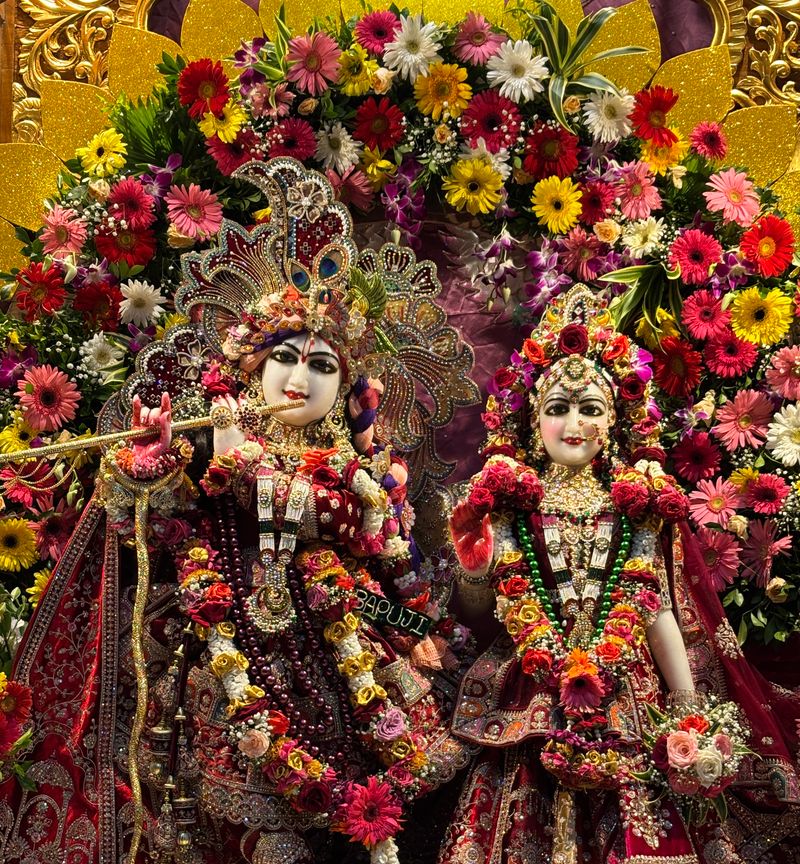
Place an image or idol of Lord Vishnu or Krishna before your Kalash. If you have a Saligram [black stone representation of Vishnu], it's especially auspicious. Bow respectfully to acknowledge the divine presence.

Step 5: Invoke the Five Elements
Begin by chanting "Om Gam Ganapataye Namah" to invoke Ganesha and remove obstacles. Then chant "Om Namo Narayanaya" (the Vishnu mantra) while touching water to your forehead, heart, and throat—inviting each of the five elements.

Step 6: Perform Achamaniya
Sip small amounts of water three times while chanting, "Om Keshavaya Namah," "Om Narayanaya Namah," and "Om Madhavaya Namah." This purifies your body internally before worship begins.

Step 7: Apply Tilak and Sandalwood
Apply Chandan (sandalwood paste) to your forehead, wrists, and neck. If observing a complete fast, this sacred marking sustains your spiritual energy throughout the day.

Step 8: Light the Lamp
Light your Diya [oil lamp] while reciting, "Om Jyotirgamaya Namah"—honoring the light of consciousness. The flame represents the divine light of Vishnu dispelling ignorance.

Step 9: Offer Flowers and Prayers
Offer fresh flowers to the deity while chanting the Vishnu Sahasranama [1000 names of Vishnu] or the Vishnu Gayatri Mantra: "Om Narayanaya Vidmahe Vasudevaya Dhimahi Tanno Vishnu Prachodayat." Offer flowers after each verse or name, creating a circle of devotion.

Step 10: Ring the Bell and Circumambulate
Ring the Ghanti [bell] to announce the deity's presence and dispel negative energies. Then walk clockwise around your altar or home (if space permits), keeping your right side toward the altar—this demonstrates respect.

Step 11: Chant and Meditate
Sit in a comfortable posture and chant your chosen mantra 108 times using a Mala [prayer beads]. Focus your mind on Lord Vishnu's form, his divine qualities, and his role as the sustainer of the universe.

Step 12: Perform Aarti
Wave your Diya in circular motions before the deity in clockwise direction, then bring the light to your own face to absorb its blessing. Chant "Jai Jai Hanuman, Jai Shri Ram" or Vishnu Aarti as you do this.

Best Time (Shubh Muhurta)

Check your Muhurta Calculator to determine the exact Brahma Muhurta [4:48 AM to 5:36 AM] in your location—the most powerful time for worship. Ekadashi begins at different times depending on your timezone and location. The puja yields maximum benefits when performed during:

  • Brahma Muhurta (pre-dawn)
  • Sunrise to 12 PM (next best timing)
  • Avoid performing puja after 6 PM on Ekadashi

Consult your Panchang to identify the exact Tithi (lunar day) for your region, as Ekadashi timing varies between east and west India.

Significance and Benefits

Ekadashi fasting directly pleases Lord Vishnu, who represents cosmic order, protection, and enlightenment. The Sanskrit term "Ekadashi" literally means "eleventh"—this day holds power because the number eleven symbolizes transcendence beyond the ten senses.

During a sincere fast, your digestive system resets, your mind becomes naturally meditative, and your nervous system recalibrates. Many practitioners report vivid dreams, enhanced intuition, and spontaneous healing. Spiritually, you align your consciousness with the rhythms of the moon, which governs mind and emotions in Vedic astrology.

The fast purifies Karmic debts [Rina Mochan], particularly when combined with genuine devotion. Your body enters a mild state of cellular autophagy—ancient practice meeting modern science. Devotees who maintain regular Ekadashi discipline often experience improved health, mental clarity, and spiritual breakthroughs.

Common Mistakes to Avoid

  • Breaking fast improperly: Many devotees break their fast with heavy, spiced foods immediately. Instead, begin with fruits, milk, or light khichdi to allow your digestive system to reawaken gently.

  • Fasting without intention: A mechanical fast yields minimal benefit. Set a clear spiritual goal—whether seeking Moksha [liberation], health recovery, or family harmony—and hold this intention throughout.

  • Incorrect timing: Using an ordinary calendar instead of the lunar Panchang causes you to fast on wrong dates. Always verify Ekadashi timing through a reliable Vedic calendar aligned with your timezone.

  • Skipping Sattvic practice: Eating onion, garlic, or non-vegetarian foods on Ekadashi is forbidden. These tamasic [heavy, dull] foods cloud your consciousness and block the fast's spiritual benefits.

  • Inconsistent practice: One Ekadashi puja holds power, but practicing fortnightly creates transformative momentum. Consistency matters more than perfection.

FAQ

Q: Can I perform Ekadashi puja if I cannot fast completely?

A: Absolutely. Partial fasting—eating only fruits and milk or abstaining from grains and non-vegetarian foods—honors the tradition fully. A sincere intention matters more than the extent of fasting. Even fasting from gossip, anger, and negative thoughts constitutes a meaningful Ekadashi observance. Consult a spiritual guide or your family's lineage traditions for what suits your health and life stage.

Q: What happens if I accidentally eat on Ekadashi?

A: Vedic texts teach that the intention behind fasting matters profoundly. If you unknowingly break the fast, your previous spiritual practice remains intact. Simply resume

💬

टिप्पणियाँ


अपनी कुंडली और अधिक जानें

हमारे मुफ़्त ज्योतिष टूल्स आज़माएं

You might also like

🇬🇧 English  ·  7 min read
Chhath Puja Vidhi Sunrise Sunset Surya Worship
12 Jul 2026
🇬🇧 English  ·  7 min read
Karva Chauth Puja Vidhi Moon Worship Ritual
12 Jul 2026
🇬🇧 English  ·  6 min read
Bhai Dooj Puja Vidhi Sibling Bond Ritual
12 Jul 2026
🕐 राहु काल: Indore (2026-04-28)· Ahmedabad (2026-12-25)· Hyderabad (2026-04-15)· Mumbai (2025-09-22)· Hyderabad (2025-11-21)· Chennai (2027-03-24)· Ahmedabad (2026-12-23)· Chennai (2025-12-16)· Bengaluru (2025-11-09)· Chennai (2025-09-04)· Mumbai (2026-11-26)· Bengaluru (2026-10-23)