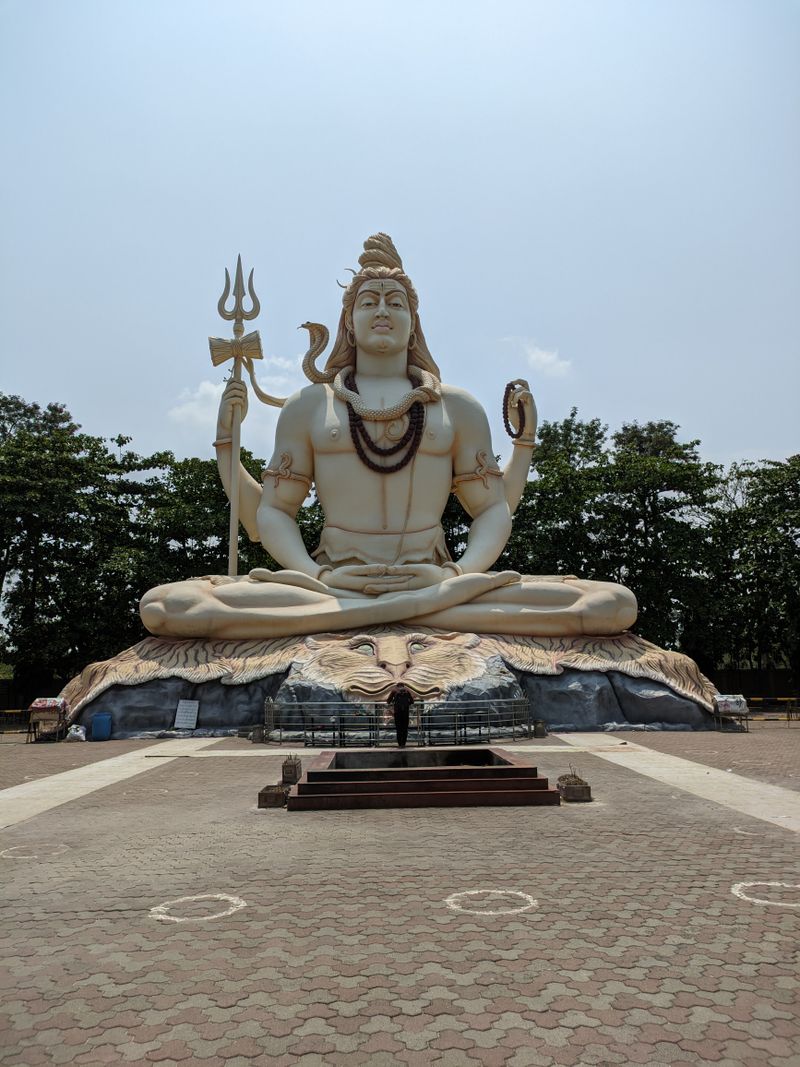
सोमवार की सुबह, एक शांत शिव लिंगम के सामने बैठे, घंटियों की मधुर ध्वनि बज रही हो, और आपका हृदय भक्ति से भरा हो, इसकी कल्पना करें। सोमवार व्रत (भगवान शिव को समर्पित सोमवार का उपवास) भारत के सबसे प्रिय और सुलभ अनुष्ठानों में से एक है, जिसका पालन लाखों लोग स्वास्थ्य, समृद्धि और आध्यात्मिक जागृति का आशीर्वाद लेने के लिए करते हैं। चाहे आप जीवन की चुनौतियों से राहत चाहते हों या महादेव के साथ अपने संबंध को गहरा करना चाहते हों, यह प्राचीन प्रथा एक साधारण सोमवार को भक्ति के एक पवित्र दिन में बदल देती है।
आपको क्या चाहिए (पूजा सामग्री)
अपने सोमवार व्रत पूजा शुरू करने से पहले ये सामग्री एकत्र कर लें:
- बिल्व पत्र (पवित्र बेलपत्र) — 3-5 पत्ते
- जल (पानी) — अधिमानतः गंगा जल या शुद्ध झरने का पानी
- अक्षत (हल्दी मिले साबुत चावल)
- फूल (फूल) — सफेद या नीले फूल, विशेष रूप से चमेली या भक्ति के फूल
- दीया (तेल का दीपक) — तिल के तेल और सूती बत्ती के साथ
- धूप और अगरबत्ती (अगरबत्ती और सुगंधित धुआं)
- नैवेद्य (भोजन का भोग) — फल, दूध, शहद, या खीर (चावल की खीर)
- चांदनी (सफेद कपड़ा) — लिंगम या वेदी को ढकने के लिए
- माला (माला मोती) — जाप के लिए 108 मनकों वाली
- घी (स्पष्ट मक्खन) — लिंगम पर लेपन के लिए
- रुद्राक्ष (पवित्र मोती) — वैकल्पिक लेकिन आध्यात्मिक रूप से शक्तिशाली
- पंचामृत (पांच पवित्र अमृत) — दूध, दही, शहद, घी और गुड़
चरण-दर-चरण पूजा विधि
अपनी सोमवार व्रत पूजा भक्ति से करने के लिए इन 12 पवित्र चरणों का पालन करें:
-
जल्दी उठें और स्नान करें — सूर्योदय से पहले उठें, शुद्ध स्नान करें, और शिव के रंग की ऊर्जा का सम्मान करने के लिए साफ सफेद या नीले कपड़े पहनें।
-
अपना पूजा स्थान बनाएं — एक साफ कपड़े से वेदी या एक छोटा कोना स्थापित करें। शिव लिंगम (या एक छवि) को पूर्व या उत्तर की ओर रखें, जहां ब्रह्मांडीय ऊर्जा सबसे शक्तिशाली रूप से प्रवाहित होती है।
-
दीया जलाएं — अपने तेल के दीपक को इरादे के साथ प्रज्वलित करें, क्योंकि लौ दिव्य चेतना के जागरण का प्रतीक है और अंधकार को दूर करती है।
-
लिंगम को जल अर्पित करें — "ओम नमः शिवाय" का जाप करते हुए तीन बार लिंगम पर ठंडा, साफ पानी डालें। इसे अभिषेक (अनुष्ठानिक स्नान) कहते हैं।
-
पंचामृत लगाएं — दूध, दही, शहद, घी और गुड़ के मिश्रण को धीरे-धीरे लिंगम पर डालें, जो शरीर, मन और आत्मा के पोषण का प्रतिनिधित्व करता है।
-
बिल्व पत्र अर्पित करें — लिंगम पर 3, 5, या 11 पवित्र बेलपत्र रखें। प्रत्येक पत्ती में तीन लोब होते हैं जो ब्रह्मा, विष्णु और महेश (शिव) का प्रतिनिधित्व करते हैं, ब्रह्मांडीय संतुलन को आमंत्रित करते हैं।
-
धूप जलाएं — अगरबत्ती (धूप की छड़ी) और धूप (सुगंधित धुआं) को एक भेंट के रूप में जलाएं। सुगंध आपकी प्रार्थनाओं को दिव्य लोकों तक ले जाती है।
-
फूल और अक्षत अर्पित करें — शिव मंत्रों, विशेष रूप से "ओम नमः शिवाय" या "महामृत्युंजय मंत्र" का जाप करते हुए सफेद फूल और हल्दी-मिश्रित चावल के दाने छिड़कें।
-
नैवेद्य प्रस्तुत करें — लिंगम के सामने फल, मिठाई, या दूध-आधारित भोजन अर्पित करें। आप बाद में इस धन्य भोजन (प्रसाद) का उपभोग शिव की कृपा के रूप में करेंगे।
-
अपनी माला से मंत्रों का जाप करें — अपनी रुद्राक्ष माला का उपयोग करके 108 बार "ओम नमः शिवाय" का जाप करें। प्रत्येक पुनरावृति को अपने अहंकार को भंग करते हुए और आपको शिव की अनंत चेतना के साथ संरेखित करते हुए महसूस करें।
-
आरती करें — भक्ति गीत गाते हुए लिंगम के सामने जलते हुए दीया को घड़ी की दिशा में घुमाएं। यह शिव का सम्मान करता है और आपके चारों ओर एक सुरक्षात्मक ऊर्जा क्षेत्र बनाता है।
-
प्रसाद ग्रहण करें — पूजा के बाद, कृतज्ञता के साथ धन्य प्रसाद खाएं। यह भगवान शिव के साथ आपके संबंध को सील करता है और उनके आशीर्वाद को आपके अस्तित्व में वितरित करता है।
सबसे अच्छा समय (शुभ मुहूर्त)
अपना सोमवार व्रत पूजा ब्रह्म मुहूर्त (सूर्योदय से 45 मिनट पहले) के दौरान करें, जब ब्रह्मांडीय ऊर्जा सबसे अधिक ग्रहणशील होती है और आपका मन स्वाभाविक रूप से शांत होता है। सोमवार स्वयं चंद्रमा द्वारा शासित होता है, जो इसे आत्मनिरीक्षण और समर्पण के लिए आध्यात्मिक रूप से शक्तिशाली बनाता है।
सोमवार को रोहिणी, मृगशिरा, या आर्द्रा जैसे शुभ नक्षत्रों (चंद्र राशि) की पहचान करने के लिए अपने पंचांग की जाँच करें — ये शिव के आशीर्वाद को बढ़ाते हैं। यदि आप वैदिक समय-निर्धारण के लिए नए हैं, तो अपनी पूजा के लिए सटीक शुभ क्षण खोजने के लिए मुहूर्त कैलकुलेटर का उपयोग करें। आपकी व्यक्तिगत प्रथा को ग्रहों के चक्र कैसे प्रभावित करते हैं, इस पर गहन आध्यात्मिक मार्गदर्शन के लिए, यह देखने के लिए कि कौन से दिन आपकी जन्म कुंडली के साथ सबसे अच्छा संरेखित होते हैं, अपनी अपनी कुंडली बनाएं उत्पन्न करें।
महत्व और लाभ
सोमवार व्रत शिव का सम्मान करता है, जो सर्वोच्च योगी और अज्ञान के विनाशक हैं, जिनकी कृपा दुख और अज्ञान को दूर करती है। उपवास करके और इस अनुष्ठान को करके, आप अनुशासन (तपस्या) विकसित करते हैं, अपने मन को शुद्ध करते हैं, और निम्नलिखित के लिए महादेव का आशीर्वाद प्राप्त करते हैं:
- चिंता और तनाव से राहत — शिव की ऊर्जा आपकी चिंताओं को दूर करती है
- आध्यात्मिक जागृति — आंतरिक दृष्टि के लिए आपकी तीसरी आंख (अजना चक्र) खोलता है
- नकारात्मकता से सुरक्षा — दिव्य चेतना का एक कवच बनाता है
- स्वास्थ्य और दीर्घायु — शिव अमरता का अमृत धारण करते हैं
- प्रयासों में सफलता — उनका आशीर्वाद बाधाओं को दूर करता है और समृद्धि प्रदान करता है
सामान्य गलतियाँ जिनसे बचें
अपनी प्रथा की पवित्रता की रक्षा करें:
- अपना उपवास अनुचित तरीके से तोड़ना — सूर्यास्त तक केवल हल्का, सात्विक भोजन जैसे दूध, फल, या खीर का सेवन करें। भारी, मसालेदार, या प्याज-लहसुन वाले भोजन से बचें।
- जल्दबाजी में पूजा करना — अनुष्ठानों को जल्दबाजी में करने से उनकी आध्यात्मिक शक्ति कम हो जाती है। वास्तविक भक्ति के लिए कम से कम 30-45 मिनट समर्पित करें।
- स्वच्छता की उपेक्षा करना — आपके शरीर, कपड़े और पूजा स्थान को विधिपूर्वक शुद्ध होना चाहिए। शुरू करने से पहले स्नान करें और अपनी वेदी को साफ-सुथरा रखें।
- सूखे बिल्व पत्र का उपयोग करना — ताजे पत्तों में जीवित ऊर्जा होती है। कभी भी पुराने या सूखे पत्ते न चढ़ाएं, क्योंकि वे आपके अर्पण की कंपन गुणवत्ता को कमजोर करते हैं।
- भावनात्मक सार को भूल जाना — यांत्रिक प्रदर्शन में शक्ति की कमी होती है। अपनी पूजा के दौरान भगवान शिव के प्रति वास्तविक प्रेम, समर्पण और कृतज्ञता विकसित करें।
अक्सर पूछे जाने वाले प्रश्न
प्रश्न: क्या महिलाएं मासिक धर्म के दौरान सोमवार का व्रत रख सकती हैं?
उत्तर: पारंपरिक वैदिक ग्रंथों में सुझाव दिया गया है कि मासिक धर्म के दौरान, महिलाएं शिव लिंगम के साथ सीधे संपर्क से जुड़े अनुष्ठानों से परहेज करें। हालांकि, आप शारीरिक पूजा के बिना, मौन प्रार्थना कर सकती हैं, मंत्रों का मानसिक जाप कर सकती हैं और शिव के रूप का ध्यान कर सकती हैं। कई आधुनिक आध्यात्मिक शिक्षक इस बात पर जोर देते हैं कि सच्ची भक्ति शारीरिक परिस्थितियों से परे है — अपनी पारिवारिक परंपरा या किसी विश्वसनीय आध्यात्मिक मार्गदर्शक से परामर्श करें।
प्रश्न: अगर मैं पूरी तरह से उपवास नहीं कर सकता तो क्या होगा?
उत्तर: सोमवार व्रत आंशिक पालन का स्वागत करता है। यदि पूर्ण उपवास चुनौतीपूर्ण है, तो सूर्यास्त तक दिन में एक बार दूध, फल, या खिचड़ी (चावल और दाल) जैसे हल्के सात्विक भोजन खाएं। आपका सच्चा प्रयास और भक्ति कठोर उपवास से कहीं अधिक मायने रखती है। आध्यात्मिक इरादे को बनाए रखते हुए अपनी स्वास्थ्य और जीवन की परिस्थितियों के अनुरूप अभ्यास को समायोजित करें।
प्रश्न: मुझे परिणाम देखने से पहले यह व्रत कितने समय तक करना चाहिए?
उत्तर: लाभ प्रत्येक भक्त के लिए अलग-अलग प्रकट होते हैं। कई लोग लगातार अभ्यास के कुछ हफ्तों के भीतर आंतरिक शांति का अनुभव करते हैं। ठोस बाहरी परिणामों — जैसे विशिष्ट चुनौतियों का समाधान — के लिए, 21, 51, या 108 सोमवार तक जारी रखें। सच्चा लाभ आध्यात्मिक परिवर्तन में निहित है: गहरी हुई आस्था, कम अहंकार, और शिव के साथ घनिष्ठ communion।
टिप्पणियाँ
🔮 इस लेख पर अपनी राय साझा करें — लॉगिन करें
लॉगिन करें →