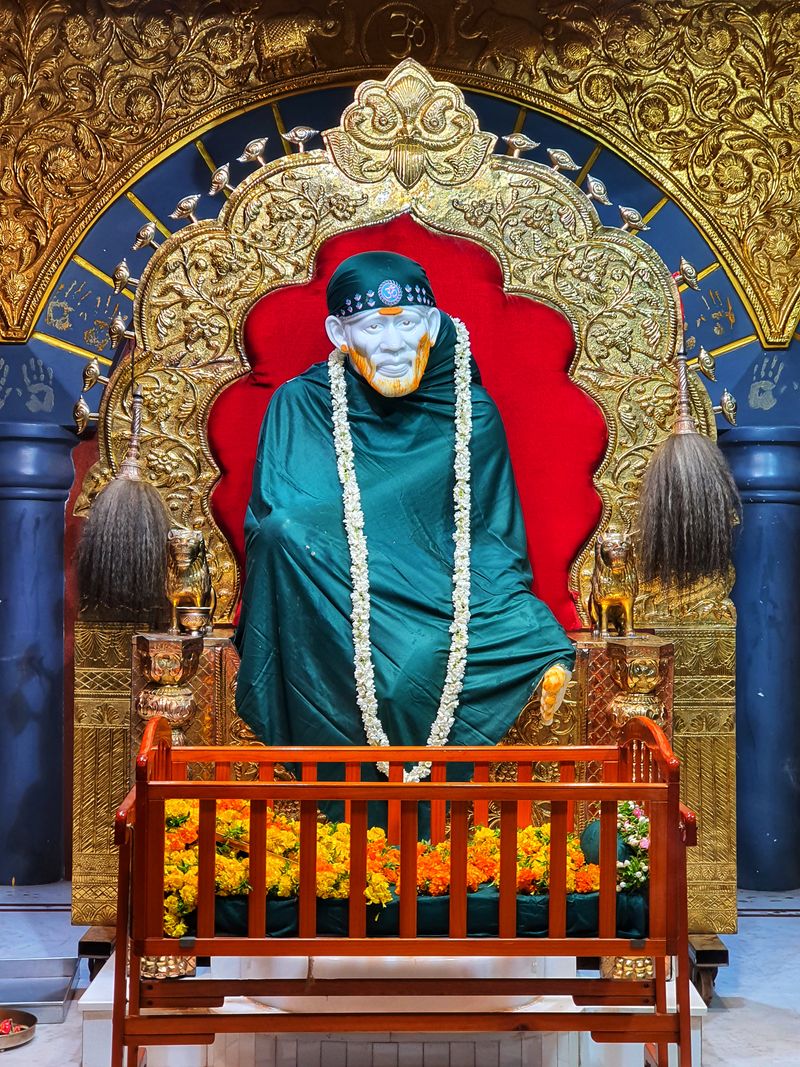
शिर्डी की हवा एक अनोखी ऊर्जा से गूंजती है, भक्ति और गहरी शांति का मिश्रण जो हर साल लाखों लोगों को आकर्षित करता है। यह सिर्फ एक मंदिर नहीं है; यह साईं बाबा की दिव्य कृपा का एक जीवित प्रमाण है, एक संत जिनकी शिक्षाएँ सभी सीमाओं को पार करती हैं। यदि आप तीर्थयात्रा की योजना बना रहे हैं, तो इसकी जड़ों और आध्यात्मिक आधारों को समझना आपके अनुभव को असीम रूप से गहरा कर सकता है।
एक दिव्य निवास का विनम्र आरंभ
महाराष्ट्र का एक छोटा सा गाँव शिर्डी, 1858 के आसपास वहाँ आए साईं बाबा नामक एक फकीर की बदौलत अत्यधिक आध्यात्मिक गतिविधि का केंद्र बन गया। उन्होंने शुरू में एक नीम के पेड़ के नीचे निवास किया, बाद में जीर्ण-शीर्ण द्वारकामाई मस्जिद में चले गए, जो उनका स्थायी निवास और उनके आध्यात्मिक मिशन का हृदय बन गया। इसी विनम्र मस्जिद से उनके दिव्य प्रभाव का प्रसार हुआ, जिसने अनगिनत जीवन को छुआ।
कहा जाता है कि साईं बाबा ने शिर्डी को अपने सांसारिक निवास के रूप में चुना, इसे एक अस्पष्ट गाँव से एक विश्व-प्रसिद्ध तीर्थ स्थल में बदल दिया। उनकी सरल लेकिन गहन शिक्षाएँ श्रद्धा (विश्वास) और सबुरी (धैर्य) उनके दर्शन का आधार बन गईं, जो जीवन के सभी क्षेत्रों के लोगों के साथ गहराई से प्रतिध्वनित हुईं।
साईं बाबा कौन थे और उनका प्रतीक क्या है?
साईं बाबा को उनके भक्तों द्वारा एक दिव्य संत, एक गुरु और एक अवतार के रूप में पूजा जाता है, जो धार्मिक सीमाओं से परे हैं। हालाँकि उनकी सटीक उत्पत्ति आध्यात्मिक रहस्य का विषय बनी हुई है, उन्हें अक्सर दिव्य का अवतार माना जाता है, जो सभी आध्यात्मिक मार्गों की एकता का प्रतीक है।
हिंदू परंपरा में, साईं बाबा को अक्सर दत्तात्रेय के दिव्य सिद्धांत से जोड़ा जाता है, जो एक देवता हैं जो हिंदू त्रिमूर्ति - ब्रह्मा, विष्णु और शिव का संश्लेषण करते हैं। उनके संदेश ' सबका मालिक एक' (एक ईश्वर सभी का शासक है) इस समावेशी भावना को पूरी तरह से दर्शाते हैं, जो उन्हें सार्वभौमिक प्रेम और स्वीकृति का प्रतीक बनाते हैं।
साईं बाबा के घर का पवित्र वास्तुकला
मुख्य मंदिर परिसर, जो भक्ति का प्रमाण है, साईं बाबा के समाधि (अंतिम विश्राम स्थल) के चारों ओर बनाया गया है। हालाँकि यह किसी एक प्राचीन वास्तु शैली का पालन नहीं करता है, यह पारंपरिक भारतीय मंदिर डिजाइन के तत्वों को एक शांत, कार्यात्मक लेआउट के साथ खूबसूरती से मिश्रित करता है। समाधि मंदिर, जहाँ बाबा ने अपनी महासमाधि ली, पूजा का केंद्रीय बिंदु है।
इस परिसर में प्रतिष्ठित द्वारकामाई मस्जिद भी शामिल है, जहाँ बाबा ने अपना अधिकांश समय बिताया, और गुरुस्थान, वह स्थान जहाँ माना जाता है कि उन्होंने पहली बार ध्यान किया था। हालाँकि मंदिर का यूनेस्को विश्व धरोहर स्थल का दर्जा नहीं है, इसका आध्यात्मिक महत्व और इसके द्वारा आकर्षित होने वाले तीर्थयात्रियों की भारी संख्या इसे भारत में सांस्कृतिक और धार्मिक महत्व का एक स्थल बनाती है।
ज्योतिष और साईं बाबा की कृपा
ज्योतिषीय दृष्टिकोण से, विशेष रूप से शनि के प्रभाव के दौरान, चुनौतीपूर्ण ग्रह अवधियों में साईं बाबा की पूजा विशेष रूप से फायदेमंद होती है। शनि, कर्म और अनुशासन का ग्रह, अक्सर देरी और कठिनाइयाँ ला सकता है, जो साढ़े साती या शनि महादशा के रूप में प्रकट होता है। साईं बाबा की भक्ति शनि की तीव्रता को कम करने, कथित बाधाओं को सबक और अंततः आशीर्वाद में बदलने के लिए मानी जाती है।
गुरुवार, जिसका शासन बृहस्पति (गुरु) करता है, साईं बाबा की पूजा के लिए अत्यधिक शुभ माना जाता है। बृहस्पति ज्ञान, विस्तार और कृपा का प्रतीक है। गुरुवार की पूजा और बाबा के प्रति भक्ति का यह संयोजन दिव्य कृपा को आह्वान करने के लिए सोचा जाता है जो कर्म ऋणों और देरी को कम कर सकता है, शनि की चुनौतियों को अप्रत्याशित अवसरों और आध्यात्मिक विकास की अवधियों में बदल सकता है।
दिव्य पुकार सबसे प्रबल कब होती है?
शिर्डी की आपकी आध्यात्मिक यात्रा विशेष रूप से कुछ ज्योतिषीय समय के दौरान शक्तिशाली महसूस हो सकती है। जब आप चुनौतीपूर्ण ग्रहों के पारगमन से गुजर रहे होते हैं, विशेष रूप से शनि से जुड़े, तो एक यात्रा अपार सांत्वना और मार्गदर्शन प्रदान कर सकती है। आपकी जन्म कुंडली में बृहस्पति की उपस्थिति या अनुकूल पारगमन के दौरान भी आपकी तीर्थयात्रा के आध्यात्मिक लाभों को बढ़ाया जा सकता है।
साढ़े साती, शनि की महादशा, या यहाँ तक कि चुनौतीपूर्ण बुध या राहु की अवधि जैसी अवधियों का अनुभव करने पर, भक्त अक्सर शिर्डी की ओर एक भारी खिंचाव महसूस करते हैं। ऐसा लगता है जैसे साईं बाबा की ऊर्जा उन लोगों के साथ सबसे मजबूती से प्रतिध्वनित होती है जो ऐसे कर्मिक चौराहे के दौरान शरण और दिव्य हस्तक्षेप चाहते हैं।
त्यौहार और यात्रा का सबसे अच्छा समय
मंदिर में मनाए जाने वाले प्रमुख त्यौहारों के दौरान शिर्डी जाने का सबसे जीवंत समय होता है, जो एक अद्वितीय आध्यात्मिक अनुभव प्रदान करता है। सबसे महत्वपूर्ण त्योहारों में गुड़ी पड़वा (मराठी नव वर्ष, आमतौर पर मार्च/अप्रैल में), राम नवमी (साईं बाबा का जन्मदिन, मार्च/अप्रैल में भी), विजयदशमी (दशहरा, आमतौर पर सितंबर/अक्टूबर में), और गुरु पूर्णिमा (आमतौर पर जुलाई में) शामिल हैं।
हालांकि, अधिक शांतिपूर्ण दर्शन और शांत आध्यात्मिक अनुभव के लिए, नवंबर और फरवरी के बीच के महीने आदर्श हैं। मौसम सुहावना होता है, और यद्यपि अभी भी भीड़ होती है, यह प्रमुख त्यौहार अवधियों की तुलना में कम भीड़भाड़ वाला होता है। अत्यधिक गर्मी के कारण अप्रैल से जून के चरम गर्मी के महीनों से बचें।
शिर्डी के लिए आपका व्यावहारिक गाइड
शिर्डी पहुँचना काफी सुलभ है। निकटतम प्रमुख हवाई अड्डा शिर्डी हवाई अड्डा (SAG) है, जिसमें सीमित कनेक्टिविटी है, इसके बाद छत्रपति शिवाजी महाराज अंतर्राष्ट्रीय हवाई अड्डा (BOM) मुंबई (लगभग 240 किमी) और पुणे अंतर्राष्ट्रीय हवाई अड्डा (PNQ) (लगभग 200 किमी) है। इन शहरों से, आप टैक्सी किराए पर ले सकते हैं या राज्य परिवहन बसों से यात्रा कर सकते हैं। निकटतम रेलवे स्टेशन सαινगर शिर्डी रेलवे स्टेशन (SNSI) है।
यात्रा करते समय, विनम्रता और सम्मानपूर्वक पोशाक पहनें, अपने कंधों और घुटनों को ढकें, जैसा कि पूजा स्थलों के लिए प्रथागत है। मंदिर परिसर में दिन भर विभिन्न दर्शन समय की पेशकश की जाती है, सुबह की काकड़ आरती से लेकर देर शाम की शेज आरती तक। सबसे अद्यतित समय के लिए आधिकारिक शिर्डी साईं बाबा संस्थान वेबसाइट की जांच करना और यदि ऑनलाइन उपलब्ध हो तो दर्शन स्लॉट बुक करना उचित है।
वैदिक उपाय और समाधान
भक्त अक्सर जीवन की विभिन्न चुनौतियों से राहत पाने के लिए शिर्डी जाते हैं, जिन्हें साईं बाबा अपनी कृपा से हल करने में मदद करते हैं। सामान्य समस्याओं में वित्तीय कठिनाइयों पर काबू पाना, रिश्ते के संघर्षों को हल करना, बच्चों के लिए आशीर्वाद मांगना और मानसिक अशांति के बीच शांति पाना शामिल है। मंदिर समृद्धि के लिए अभिषेक और महा पूजा जैसी पूजा प्रदान करता है, साथ ही साई सत्यनारायण व्रत भी।
मंत्र "ओम श्री साई नाथाय नमः" का जाप बाबा की ऊर्जा से जुड़ने का एक शक्तिशाली तरीका है। कई लोग मंदिर परिसर में ध्यान करके या बाबा के जीवन और शिक्षाओं का वर्णन करने वाली पवित्र पुस्तक, साई सच्चरित्र पढ़कर सांत्वना पाते हैं और दिव्य मार्गदर्शन प्राप्त करते हैं।
आज आप एक काम कर सकते हैं
अपने जीवन में एक ऐसे समय पर विचार करें जब किसी देरी के कारण अंततः कुछ बेहतर हुआ। सबुरी के उस सबक को बनाए रखें।
आप कहीं भी हों, भक्ति की भावना को साथ रखें। आपकी आस्था आपका मंदिर है।
टिप्पणियाँ
🔮 इस लेख पर अपनी राय साझा करें — लॉगिन करें
लॉगिन करें →