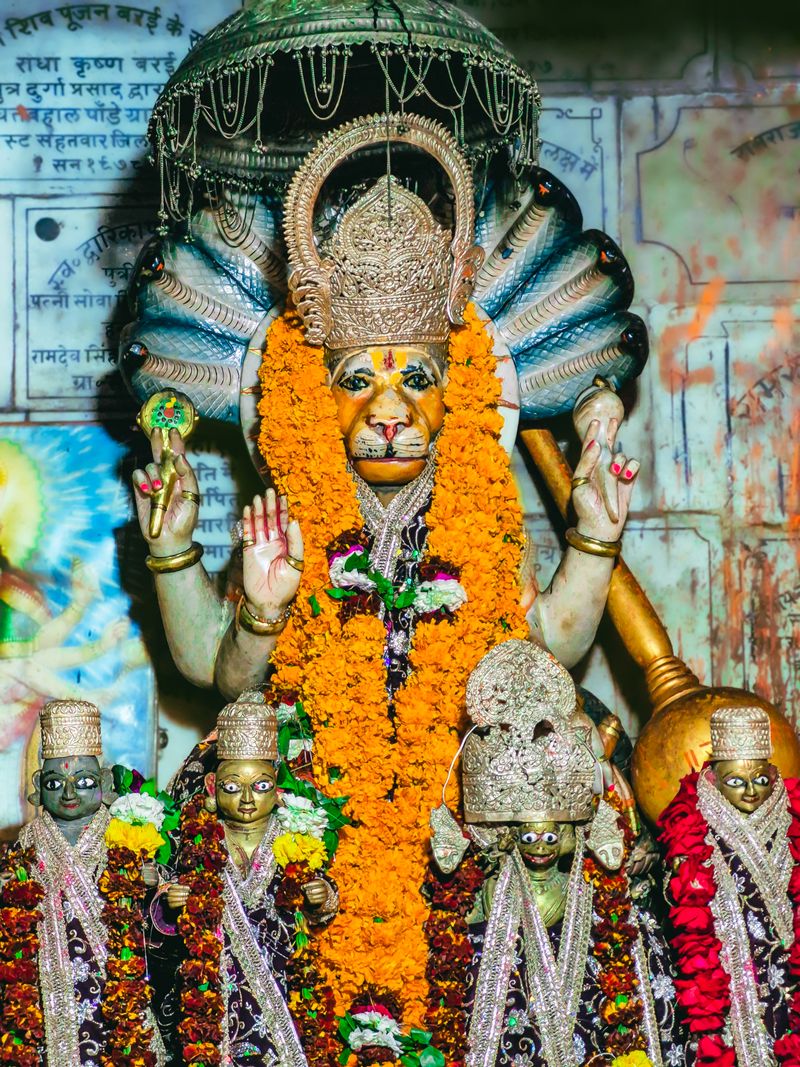
एक ऐसी जगह की कल्पना करें जहाँ की हवा में भक्ति घुली हुई है, एक ऐसा अभयारण्य जिसे एक संत ने बनवाया है, और जो सभी सांसारिक बाधाओं को दूर करने वाले को समर्पित है। यह वाराणसी का संकट मोचन हनुमान मंदिर है, जो सभी वर्गों के भक्तों के लिए आशा की किरण और आध्यात्मिक ऊर्जा का केंद्र है। यह सिर्फ एक मंदिर नहीं है; यह स्वयं भगवान हनुमान की दिव्य शक्ति और अटूट निष्ठा से सीधा जुड़ाव है।
जहाँ प्राचीन भक्ति ने पहली जड़ें जमाईं
संकट मोचन की कथा श्रद्धेय कवि-संत गोस्वामी तुलसीदास से गहराई से जुड़ी हुई है। कहा जाता है कि जब वे पवित्र नदी असि के किनारे रामचरितमानस का पाठ कर रहे थे, तब भगवान हनुमान ने उन्हें दर्शन दिए। इस दर्शन से अभिभूत होकर, तुलसीदास ने वहीं अपने प्रिय देवता को समर्पित एक मंदिर स्थापित करने की ठानी।
माना जाता है कि मंदिर का निर्माण 16वीं शताब्दी के आसपास शुरू हुआ था। तुलसीदास द्वारा रोपे गए इस आध्यात्मिक बीज ने सदियों से लाखों लोगों को आकर्षित किया है जो शांति और दैवीय हस्तक्षेप की तलाश में यहाँ आते हैं।
पवन देव के शक्तिशाली पुत्र
भगवान हनुमान, जिन्हें अक्सर संकट मोचन - जो कष्टों से मुक्ति दिलाते हैं - कहा जाता है, भक्ति, शक्ति, साहस और निस्वार्थ सेवा का प्रतीक हैं। अंजना और वायु देव के पुत्र हनुमान असीम शक्ति और फुर्ती के स्वामी हैं। उनका जीवन अटूट विश्वास का प्रमाण है, जो प्रभु राम की सेवा से स्पष्ट होता है।
हिन्दू परंपरा में, हनुमान आदर्श भक्त का प्रतिनिधित्व करते हैं, जो विनम्रता, वीरता और शुद्ध हृदय जैसे गुणों का प्रतीक हैं। वे धर्म के रक्षक और बुराई के विनाशक हैं, एक दिव्य प्राणी जो सच्चे जरूरतमंदों की मदद के लिए अवतरित होते हैं।
सदियों की आस्था की गवाही देती वास्तुकला
संकट मोचन मंदिर, भले ही कुछ प्राचीन भारतीय संरचनाओं की तरह भव्य स्थापत्य शैली का दावा न करे, इसमें एक अनूठा आकर्षण है। इसकी सादगी आध्यात्मिक वातावरण को प्रमुखता देती है। मुख्य गर्भगृह में भगवान हनुमान की मूर्ति स्थापित है, जो हमेशा सिंदूर से ढकी रहती है, जो उनकी शक्ति और जोश का प्रतीक है।
पारंपरिक अर्थों में मंदिर को यूनेस्को या कोई विशेष विरासत का दर्जा प्राप्त नहीं है, लेकिन इसका ऐतिहासिक और आध्यात्मिक महत्व इसे अमूल्य बनाता है। यह साधारण ढाँचा गहन भक्ति ऊर्जा को स्वतंत्र रूप से फैलने देता है, जिससे तीर्थयात्री ईश्वर के करीब आते हैं।
हनुमान की ज्योतिषीय शक्ति को समझना
यह मंदिर ज्योतिष, वैदिक ज्योतिष विज्ञान में एक विशेष स्थान रखता है, मुख्यतः क्योंकि इसकी स्थापना हनुमान के महान भक्त तुलसीदास ने की थी। ज्योतिषीय दृष्टि से, भगवान हनुमान को गंभीर ग्रहों की बाधाओं, विशेष रूप से शनि (शनि पीड़ा) और मंगल (मंगल दोष) के कारण होने वाली समस्याओं का अंतिम उपाय माना जाता है।
शनि का गोचर देरी, कठिनाइयाँ और बोझिलता ला सकता है, जबकि मंगल जल्दबाजी और संघर्ष का संकेत दे सकता है। हनुमान की भक्ति को इन अशुभ प्रभावों को शांत करने, संभावित चुनौतियों को विकास और लचीलेपन के अवसरों में बदलने वाला माना जाता है।
हनुमान की कृपा के लिए ब्रह्मांड कब संरेखित होता है?
कुछ ग्रह विन्यास संकट मोचन मंदिर की यात्रा को अविश्वसनीय रूप से शक्तिशाली बना सकते हैं। यदि आप शनि या मंगल जैसे ग्रहों की चुनौतीपूर्ण महादशा या अंतर्दशा का अनुभव कर रहे हैं, तो यहाँ तीर्थयात्रा महत्वपूर्ण राहत और सुरक्षा प्रदान कर सकती है।
इसके अलावा, जब शनि आपकी जन्म कुंडली में चुनौतीपूर्ण भावों से गोचर कर रहा हो या जब मंगल कठिन स्थिति में हो, तो इस मंदिर की दिव्य ऊर्जा एक शक्तिशाली ढाल के रूप में कार्य कर सकती है। यह वह समय होता है जब हनुमान का आशीर्वाद सबसे अधिक प्रकट हो सकता है, जिससे आप ज्योतिषीय उथल-पुथल को अधिक आसानी से पार कर सकें।
अनुष्ठानों और त्योहारों के माध्यम से दैवीय प्रवाह को अपनाना
संकट मोचन मंदिर जाने के लिए सबसे शुभ दिन मंगलवार और शनिवार हैं, क्योंकि ये दिन क्रमशः भगवान हनुमान और शनि को समर्पित हैं। मंगलवार को हनुमान का जन्म दिवस माना जाता है, जबकि शनिवार को शनि को प्रसन्न करने से जोड़ा जाता है। इन दिनों मंदिर में दर्शन करने से आध्यात्मिक कंपन और आपकी प्रार्थनाओं की प्रभावशीलता बढ़ जाती है।
हनुमान जयंती (हनुमान के जन्म का उत्सव) और नवरात्रि जैसे प्रमुख त्योहार अविश्वसनीय रूप से महत्वपूर्ण हैं। हालाँकि, जब भी आपको दैवीय हस्तक्षेप की पुकार या आवश्यकता महसूस हो, वह इस पवित्र स्थल पर हनुमान की कृपा प्राप्त करने का एक शक्तिशाली समय होता है।
आपकी व्यावहारिक तीर्थयात्रा योजना
वाराणसी पहुँचना सीधा है, निकटतम प्रमुख हवाई अड्डा लाल बहादुर शास्त्री अंतर्राष्ट्रीय हवाई अड्डा (VNS) है। शहर रेल मार्ग से भी अच्छी तरह जुड़ा हुआ है। हवाई अड्डे या रेलवे स्टेशन से, टैक्सी और ऑटो-रिक्शा मंदिर तक जाने के लिए आसानी से उपलब्ध हैं।
यात्रा के लिए सबसे अच्छा मौसम ठंडे महीनों, अक्टूबर से मार्च तक है, ताकि अत्यधिक गर्मी और मानसून की बारिश से बचा जा सके। हालांकि कोई सख्त ड्रेस कोड नहीं है, फिर भी धार्मिक स्थल के सम्मान में, शालीनता से कपड़े पहनने की सलाह दी जाती है। दर्शन का समय आम तौर पर सुबह जल्दी से देर शाम तक होता है, हालाँकि किसी भी विशिष्ट बदलाव के लिए स्थानीय रूप से जांच करना बुद्धिमानी है।
व्याकुल आत्मा के लिए उपाय
भक्त विभिन्न प्रकार की समस्याओं से राहत पाने के लिए संकट मोचन मंदिर आते हैं। यहाँ विशेष पूजाएँ की जाती हैं, जिनमें प्रसिद्ध 'सुंदरकांड पाठ' भी शामिल है, जिसके बारे में माना जाता है कि यह हनुमान की उपस्थिति और आशीर्वाद को शक्तिशाली रूप से जगाता है। हनुमान चालीसा का जाप भी एक सामान्य और प्रभावी अभ्यास है।
बहुत से लोग करियर में बाधाओं, स्वास्थ्य समस्याओं, रिश्तों में कलह और नकारात्मक ऊर्जा से सुरक्षा के समाधान खोजने आते हैं। मंदिर का वातावरण और भगवान हनुमान की अंतर्निहित दिव्य शक्ति किसी भी चुनौती पर काबू पाने के लिए शांति और शक्ति की गहरी भावना प्रदान करती है।
आज आप एक काम कर सकते हैं:
हर दिन हनुमान चालीसा का जाप करना शुरू करें, भले ही कुछ छंद ही क्यों न हों। उनकी सुरक्षात्मक उपस्थिति की निरंतर भावना के लिए भगवान हनुमान की एक छोटी सी छवि साथ रखें। उनके द्वारा प्रतीक भक्ति और शक्ति के गुणों पर कुछ मिनट ध्यान करें।
टिप्पणियाँ
🔮 इस लेख पर अपनी राय साझा करें — लॉगिन करें
लॉगिन करें →