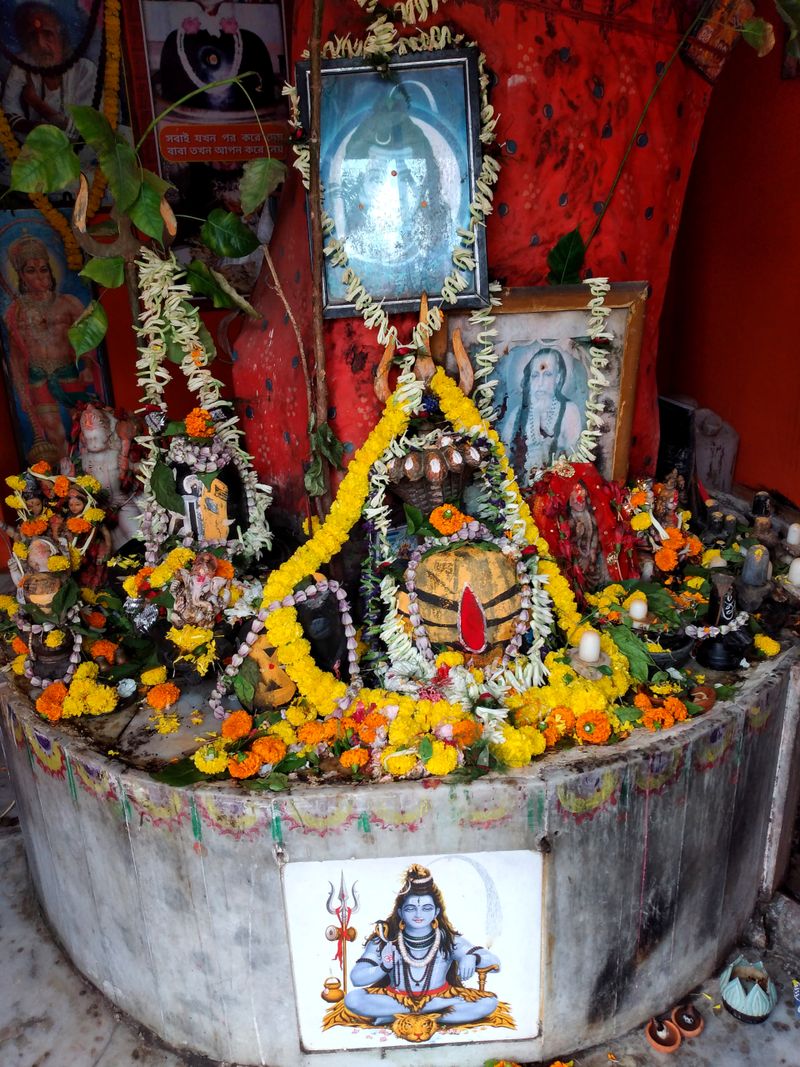
जब आप मंत्रों का जाप करते हुए शिवलिंग पर पवित्र जल डालते हैं, तो कुछ बदल जाता है—सिर्फ अनुष्ठानिक स्थान में ही नहीं, बल्कि आपकी अपनी चेतना में भी। भगवान शिव को परम अर्पण, रुद्राभिषेक, हिंदू परंपरा में सबसे शक्तिशाली और परिवर्तनकारी पूजाओं में से एक है। पूजा के इस पवित्र 16-चरणीय अनुष्ठान (षोडश उपचार) में लिंग को भक्ति से नहलाया जाता है, जो आपके कर्मों को शुद्ध करने और आपकी आध्यात्मिक क्षमता को जगाने के लिए शिव की अनंत कृपा का आह्वान करता है।
आपको क्या चाहिए (पूजा सामग्री)
अपने रुद्राभिषेक शुरू करने से पहले ये आवश्यक वस्तुएँ एकत्रित कर लें:
- पंचामृत [पांच पवित्र वस्तुएँ: दूध, दही, शहद, घी और चीनी]
- गंगाजल या पवित्र जल [जल] – लिंग स्नान के लिए आवश्यक
- बिल्व पत्र [शिव के तीन लोब वाले पवित्र पत्ते]
- फूल – ताजे सफेद जैस्मीन, गेंदा और गुड़हल [पुष्प]
- अगरबत्ती – अधिमानतः शिव-विशिष्ट सुगंध जैसे भस्म या चंदन
- घी का दीपक [दीया] – निरंतर रोशनी के लिए कई बत्तियाँ
- चंदन का लेप [चंदन] – शीतलता और शुद्धि के लिए
- रुद्राक्ष माला [जप के लिए 108 या 1008 दाने]
- विभूति [पवित्र राख]
- तिल [तिल]
- कर्पूर [कपूर] – अंतिम आरती के लिए
- शंख – दिव्य ध्वनि उत्पन्न करने के लिए
- घंटी – दिव्य उपस्थिति का आह्वान करने के लिए
- चावल [अखंड चावल, उर्वरता और पूर्णता का प्रतीक]
चरण-दर-चरण पूजा विधि
चरण 1: शुद्धि और संकल्प
सबसे पहले स्नान करके साफ, अधिमानतः सफेद वस्त्र पहनें। शिवलिंग (या शिव की छवि) की ओर मुख करके पूजा स्थान पर बैठें। दिव्य उपस्थिति का आह्वान करने के लिए तीन बार घंटी बजाएँ। अपना संकल्प स्पष्ट रूप से बताएँ: "मैं [आपका वांछित उद्देश्य – आध्यात्मिक विकास, स्वास्थ्य, मोक्ष, परिवार की सुरक्षा] के लिए यह रुद्राभिषेक कर रहा हूँ।"
चरण 2: गणेश का आह्वान
भगवान गणेश को फूल और चावल चढ़ाएँ। "ओम गं गणपतये नमः" का दस बार जाप करें। यह आपकी पूजा से सभी बाधाओं को दूर करता है।
चरण 3: प्राणायाम और ध्यान
तीन गहरी साँसें लें, अपने मन को केंद्रित करें। "ओम नमः शिवाय" का धीरे-धीरे जाप करें, इसकी कंपन को अपनी चेतना को शिव की ब्रह्मांडीय ऊर्जा के साथ संरेखित करने दें।
चरण 4: देवता का आसन (आसन उपचार)
मानसिक रूप से शिवलिंग में शिव को स्थापित करें। फूल और चावल चढ़ाते हुए कहें, "मैं सभी ब्रह्मांडीय चेतना के भगवान का स्वागत करता हूँ।"
चरण 5: जल से स्नान (जल अभिषेक)
"ओम नमः शिवाय" का जाप करते हुए धीरे-धीरे शिवलिंग पर गंगाजल डालें। यह शिव की जटाओं से गंगा नदी के अवतरण का प्रतिनिधित्व करता है। 3-7 मिनट तक जारी रखें, पवित्र कंपन महसूस करें।
चरण 6: दूध से स्नान (क्षीर अभिषेक)
शिवलिंग पर ताजा दूध डालें। दूध पवित्रता और पोषण का प्रतीक है। इस चरण के दौरान रुद्र मंत्र या महामृत्युंजय मंत्र का जाप करें।
चरण 7: दही और घी का अर्पण (दधि और घृत अभिषेक)
दही फिर शुद्ध घी डालें। प्रत्येक पदार्थ का अपना विशिष्ट आध्यात्मिक महत्व है—दही मधुरता के लिए, घी प्रकाश के लिए।
चरण 8: शहद स्नान (मधु अभिषेक)
धीरे-धीरे शहद डालें। यह अमरता के अमृत का प्रतिनिधित्व करता है और नकारात्मकता को दूर करता है।
चरण 9: गुड़ का अर्पण (गुड़ अभिषेक)
पंचामृत क्रम को गुड़ के साथ पूरा करें, जो आपके जीवन में दिव्य मधुरता और प्रचुरता का प्रतीक है।
चरण 10: चंदन लेप (चंदन उपचार)
शिवलिंग पर चंदन का लेप लगाएँ। चंदन की शीतलता अज्ञानता [अविद्या] की गर्मी को दूर करने का प्रतिनिधित्व करती है।
चरण 11: फूल अर्पण (पुष्प उपचार)
"ओम शिवाय नमः" का जाप करते हुए ताज़े फूल चढ़ाएँ। हर पंखुड़ी को समर्पण की अभिव्यक्ति के रूप में गिरने दें। बिल्व पत्र शिव के लिए विशेष रूप से पवित्र हैं—त्रिमूर्ति के लिए तीन पत्ते चढ़ाएँ।
चरण 12: धूप अर्पण (धूप उपचार)
अगरबत्ती जलाएँ और शिवलिंग के सामने गोलाकार गति में घुमाएँ। सुगंधित धुआँ आपकी प्रार्थनाओं को ब्रह्मांडीय चेतना तक पहुँचाता है। यदि आप कठिन ग्रहों की अवधि का अनुभव कर रहे हैं, तो इस समय शनि के प्रभाव को समझने के लिए अपने साढ़े साती कैलकुलेटर की जाँच पर विचार करें।
चरण 13: दीपक अर्पण (दीया उपचार)
घी से कई तेल के दीपक जलाएँ। ज्वाला चेतना के शाश्वत प्रकाश का प्रतिनिधित्व करती है जो अंधकार को दूर करती है। "ओम ज्योतिर्गमया नमः" (ओम, मैं प्रकाश को नमन करता हूँ) का जाप करें।
चरण 14: चावल और तिल का अर्पण (नैवेद्य उपचार)
चावल और तिल चढ़ाएँ। ये आपके समर्पण और जीवन की नींव पर शिव की कृपा के लिए अनुरोध का प्रतीक हैं।
चरण 15: कुल्ला करने के लिए जल (आचमनीय उपचार)
देवता को कुल्ला करने के लिए पवित्र जल डालें, भौतिक अर्पणों को पूरा करें।
चरण 16: परिक्रमा और आरती
घंटी बजाते हुए शिवलिंग (या देवता की छवि) के चारों ओर तीन बार दक्षिणावर्त (क्लॉकवाइज) घूमें। फिर कपूर के साथ गोलाकार गति में आरती [दीपक घुमाएँ] करें। भक्ति के साथ "ओम नमः शिवाय" गाएँ या जाप करें। आरती के बाद, माथे पर विभूति [राख] लगाएँ और प्रसाद [पवित्र अर्पण] बाँटें।
शुभ समय (शुभ मुहूर्त)
रुद्राभिषेक के लिए सबसे शुभ समय इसकी आध्यात्मिक शक्ति को बढ़ाता है:
- सोमवार पारंपरिक रूप से शिव का दिन है—अधिकतम लाभ के लिए सोमवार को रुद्राभिषेक करें
- प्रदोष काल (सूर्यास्त और रात के बीच का गोधूलि समय) शिव पूजा के लिए सबसे शक्तिशाली समय है
- महा शिवरात्रि [शिव की महान रात्रि] – वर्ष में एक बार, यह रुद्राभिषेक का सर्वोच्च अवसर है
- कृष्णपक्ष के सोमवार [अंधेरा चंद्र पखवाड़ा] – पारंपरिक रूप से पसंद किया जाता है
- आपके स्थान और जन्म कुंडली के आधार पर व्यक्तिगत समय के लिए सटीक शुभ समय खोजने के लिए अपने मुहूर्त कैलकुलेटर से परामर्श करें।
यदि आप समझना चाहते हैं कि वर्तमान ग्रहों की चाल आपके आध्यात्मिक अभ्यासों को कैसे प्रभावित कर सकती है, तो अपनी पूजा निर्धारित करने से पहले अपनी दैनिक वैदिक राशिफल की जाँच करें।
महत्व और लाभ
रुद्राभिषेक केवल एक अनुष्ठान नहीं है—यह एक गहन आध्यात्मिक तकनीक है। प्रत्येक चरण आपके अस्तित्व की विभिन्न परतों को शुद्ध करने के अनुरूप है। जल पिछले कर्मिक छापों की शुद्धि का प्रतिनिधित्व करता है। दूध मातृ भावना का आह्वान करता है। घी आपकी आंतरिक ज्योति को प्रज्वलित करता है। जब सच्ची भक्ति के साथ किया जाता है, तो यह पूजा:
- आपके आध्यात्मिक और भौतिक जीवन में बाधाओं को दूर करती है
- आपके परिवार को नकारात्मक प्रभावों से बचाती है
- ग्रहों के असंतुलन के कारण होने वाले कष्टों को कम करती है
- आध्यात्मिक विकास और आत्म-साक्षात्कार को तेज करती है
- स्वास्थ्य, समृद्धि और मोक्ष [मोक्ष] के लिए आशीर्वाद प्रदान करती है
- भगवान शिव की ब्रह्मांडीय चेतना के साथ आपके संबंध को मजबूत करती है
सामान्य गलतियाँ जिनसे बचें
- विचलित मन से प्रदर्शन करना – रुद्राभिषेक के लिए पूर्ण मानसिक उपस्थिति की आवश्यकता होती है। जल्दबाजी करने या सांसारिक चिंताओं के बारे में सोचते हुए प्रदर्शन करने से बचें।
- अशुद्ध या दूषित सामग्री का उपयोग करना – हर वस्तु शुद्ध होनी चाहिए। कभी भी बचे हुए प्रसाद या बासी फूलों का उपयोग न करें।
- मंत्रों का गलत उच्चारण – पहले से मंत्रों का सही संस्कृत उच्चारण सीखें। गलत जाप अनुष्ठान को कमजोर करता है।
टिप्पणियाँ
🔮 इस लेख पर अपनी राय साझा करें — लॉगिन करें
लॉगिन करें →