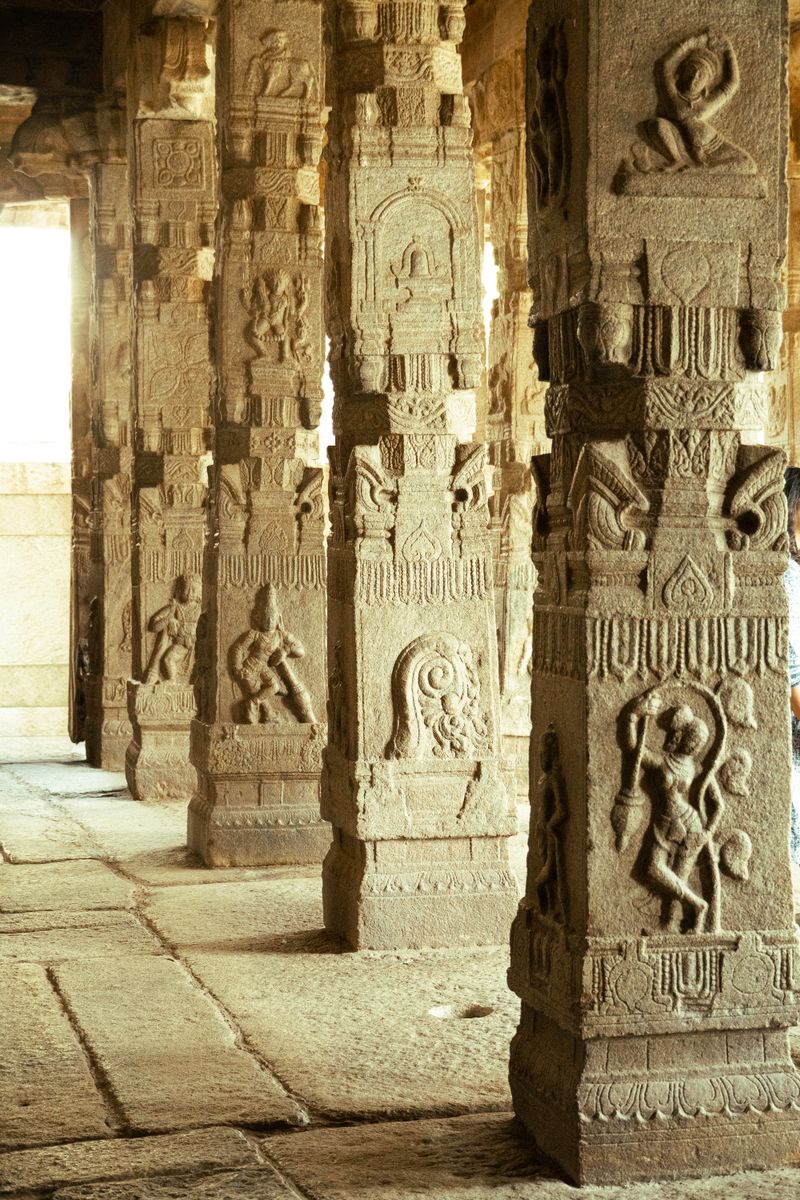
कल्पना कीजिए कि स्वयं भगवान राम, व्याकुल और प्रायश्चित की तलाश में, एक पवित्र मंदिर की स्थापना कर रहे हैं। यही रामेश्वरम में श्री रामनाथस्वामी मंदिर का सार है, एक तीर्थयात्रा जो भक्ति और आध्यात्मिक खोज की सदियों तक गूँजती है। तमिलनाडु में एक द्वीप पर स्थित, यह पवित्र स्थान सिर्फ पत्थर और गारे से कहीं अधिक है; यह दिव्य कृपा का एक जीवंत प्रमाण है।
लिंगम के पीछे की कथा
पुराणों में कहा गया है कि लंका में अपनी जीत के बाद, भगवान राम ने ब्रह्महत्या का भारी बोझ महसूस किया, जो एक ब्राह्मण (रावण, हालांकि एक राक्षस, एक विद्वान ब्राह्मण था) को मारने का पाप था। स्वयं को मुक्त करने के लिए, ऋषियों ने उन्हें एक लिंगम स्थापित करने की सलाह दी। उन्होंने हनुमान को हिमालय से एक लिंगम लाने भेजा, लेकिन जब हनुमान में देरी हुई, तो राम ने स्वयं द्वारा बनाई गई रेत से बने लिंगम की पूजा की। यह रेत लिंगम आज श्री रामनाथस्वामी मंदिर का गर्भगृह है।
भक्ति और प्रायश्चित का यह कार्य मंदिर की पवित्रता की नींव रखता है। यह हमें सिखाता है कि सबसे शक्तिशाली भी क्षमा मांग सकते हैं और सच्ची प्रार्थना और अनुष्ठान के माध्यम से शांति पा सकते हैं।
भगवान शिव कौन हैं, और रामेश्वरम क्यों?
भगवान शिव, विनाशक और परिवर्तक, हिंदू धर्म के एक प्रमुख देवता हैं। वह सृजन, संरक्षण और विनाश के चक्र का प्रतिनिधित्व करते हैं, और अक्सर आदि योगी के रूप में चित्रित किए जाते हैं, जो सभी योग और ध्यान का स्रोत हैं। त्रिमूर्ति में से एक के रूप में, ब्रह्मांडीय संतुलन के लिए उनकी भूमिका महत्वपूर्ण है।
रामेश्वरम में, शिव की पूजा रामनाथस्वामी – 'राम के भगवान' के रूप में की जाती है। यह राम की शुद्धि की आध्यात्मिक यात्रा में सहायता करने में उनकी भूमिका को दर्शाता है। ज्योतिर्लिंग, शिव के बारह पवित्र निवास, उनके अनंत, चमकदार प्रकाश का प्रतिनिधित्व करते हैं जो ब्रह्मांड में व्याप्त है। रामेश्वरम ऐसा ही एक पूजनीय ज्योतिर्लिंग है, जो इसे शिव की दिव्य ऊर्जा से जुड़ने का एक शक्तिशाली स्थान बनाता है।
आध्यात्मिक उद्देश्य के साथ एक वास्तुशिल्प चमत्कार
श्री रामनाथस्वामी मंदिर के भव्य पैमाने और जटिल कलात्मकता से विस्मयचकित होने के लिए तैयार रहें। इसकी सबसे आकर्षक विशेषता दुनिया का सबसे लंबा मंदिर गलियारा है, जो 224 स्तंभों के साथ अविश्वसनीय 3,850 फीट तक फैला हुआ है। माना जाता है कि इस विशाल संरचना का निर्माण सदियों से विभिन्न पांड्य और चोल राजाओं द्वारा किया गया था, जिसमें बाद के शासकों का भी महत्वपूर्ण योगदान था।
मंदिर की वास्तुकला द्रविड़ शैलियों का एक सामंजस्यपूर्ण मिश्रण है, जो ऊंचे गोपुरम, जटिल नक्काशी और विशाल प्रांगणों की विशेषता है। प्रत्येक पत्थर भक्ति और कलात्मक प्रतिभा की कहानियाँ फुसफुसाता है। मंदिर के भव्य गलियारे और हॉल तीर्थयात्रियों की आध्यात्मिक यात्रा को सुविधाजनक बनाने के लिए डिज़ाइन किए गए हैं, जो उन्हें ईश्वर की ओर एक पवित्र भूलभुलैया के माध्यम से मार्गदर्शन करते हैं।
जब आपके तीर्थयात्रा के लिए तारे संरेखित होते हैं
ज्योतिषीय दृष्टिकोण से, कुछ ग्रहों की अवधि के दौरान रामेश्वरम का दौरा करने से आपके आध्यात्मिक अनुभव को बढ़ाया जा सकता है। यदि आप चंद्रमा (चंद्र) से संबंधित एक चुनौतीपूर्ण दौर से गुजर रहे हैं, जो मन और भावनाओं को नियंत्रित करता है, तो यहां तीर्थयात्रा अपार शांति ला सकती है। चंद्रमा को पीड़ित होने पर कमजोर माना जाता है, और रामेश्वरम, राम के भावनात्मक उथल-पुथल और अंतिम सांत्वना से अपने संबंध के साथ, उपचार प्रदान कर सकता है।
आपके जन्म के चंद्रमा या सूर्य पर बृहस्पति (गुरु) का गोचर, जो ज्ञान और आध्यात्मिकता का ग्रह है, इस तीर्थयात्रा को विशेष रूप से शुभ बना सकता है। यह वह समय होता है जब आध्यात्मिक अंतर्दृष्टि आसानी से उपलब्ध होती है, और आपकी प्रार्थनाओं को सुने जाने की अधिक संभावना होती है। ऐसे गोचर के दौरान यहां दिव्य ऊर्जाओं का अनुभव करना गहन व्यक्तिगत परिवर्तन ला सकता है।
आपकी यात्रा की ब्रह्मांडीय शक्ति
क्या आप अपनी कुंडली में राहु या केतु के दोषों से जूझ रहे हैं? इन छाया ग्रहों, जो अक्सर कर्म ऋण और आध्यात्मिक बाधाओं से जुड़े होते हैं, को भगवान शिव द्वारा शांत किया जाता है, खासकर ज्योतिर्लिंग स्थलों पर। राहु या केतु की महादशा या अंतर्दशा के दौरान रामेश्वरम की यात्रा एक शक्तिशाली उपाय हो सकती है।
इसी तरह, यदि शनि (शनि) महत्वपूर्ण कठिनाइयों का कारण बन रहा है, तो इस पवित्र स्थान की जमीनी ऊर्जा सांत्वना और शक्ति प्रदान कर सकती है। रामेश्वरम के आध्यात्मिक कंपन को अशुभ ग्रहों के प्रभावों के चुनौतीपूर्ण प्रभावों को कम करने में मदद करने के लिए कहा जाता है, जो शांति और समाधान का मार्ग प्रदान करते हैं। सावधानीपूर्वक समय पर यात्रा आपको उन ऊर्जाओं के साथ संरेखित कर सकती है जो इन ज्योतिषीय चुनौतियों पर काबू पाने का समर्थन करती हैं।
पवित्र जल और दिव्य आशीर्वाद
रामेश्वरम अपने 22 पवित्र तीर्थों, या मंदिर टैंकों के लिए प्रसिद्ध है, जिनमें से प्रत्येक में अद्वितीय शुद्धिकरण शक्तियाँ मानी जाती हैं। इन जल में स्नान करना, विशेष रूप से मंदिर के प्रवेश द्वार के पास अग्नि तीर्थम, पापों और अशुद्धियों को धोने के लिए आवश्यक माना जाता है। प्रत्येक तीर्थ विशिष्ट लाभों से जुड़ा है, ग्रहों के दोषों से राहत से लेकर संतान के लिए आशीर्वाद तक।
अधिकतम आध्यात्मिक लाभ के लिए यात्रा का सबसे अच्छा समय शुभ महीनों मार्गशीर्ष (दिसंबर-जनवरी) और महा शिवरात्रि (आमतौर पर फरवरी या मार्च) के त्योहार के दौरान होता है। इन समय के दौरान, दिव्य ऊर्जाओं को अपने चरम पर माना जाता है। वार्षिक ब्रह्मोत्सव, जो अप्रैल-मई में आयोजित होता है, भक्तिपूर्ण उत्साह और अद्वितीय अनुष्ठानों से भरा एक और जीवंत अवधि है।
रामेश्वरम के लिए आपकी व्यावहारिक मार्गदर्शिका
रामेश्वरम पहुँचना अपने आप में एक अनुभव है, जिसमें अक्सर प्रतिष्ठित पम्बन पुल पार करना शामिल होता है, जो इंजीनियरिंग का एक चमत्कार है जो मुख्य भूमि को द्वीप से जोड़ता है। निकटतम बड़ा शहर मदुरै है, जहाँ एक हवाई अड्डा (IXM) और एक अच्छी तरह से जुड़ा हुआ रेलवे स्टेशन है। मदुरै से, आप टैक्सी किराए पर ले सकते हैं या रामेश्वरम के लिए बस ले सकते हैं, जो लगभग 3-4 घंटे की यात्रा है।
यात्रा का सबसे अच्छा मौसम अक्टूबर से अप्रैल तक होता है, जब मौसम सुहावना होता है। मंदिर की पवित्रता का सम्मान करने के लिए विनम्रतापूर्वक कपड़े पहनने की सलाह दी जाती है; कंधों और घुटनों को ढकने की सलाह दी जाती है। जबकि दर्शन का समय बदलता रहता है, आगमन पर नवीनतम कार्यक्रम की जाँच करना सबसे अच्छा है। धैर्य और खुले दिल से यात्रा को गले लगाओ।
वैदिक उपाय और रामेश्वरम में सांत्वना
भक्त विभिन्न प्रकार की समस्याओं के लिए उपाय खोजने के लिए रामेश्वरम में आते हैं। कई लोग पुनर्जन्म दोष निवारण करने आते हैं, जो पिछले जन्मों के नकारात्मक कर्मों को कम करने के लिए अनुष्ठान हैं। भगवान शिव को अत्यंत भक्ति के साथ किए गए विशेष पूजा, पूर्वजों के अभिशाप और वित्तीय कठिनाइयों से राहत देने के लिए माना जाता है।
"ओम नमः शिवाय" जैसे शक्तिशाली मंत्रों का यहाँ जप करने से उनका प्रभाव बढ़ जाता है। तीर्थयात्री अक्सर वैवाहिक सद्भाव, अच्छे स्वास्थ्य और आध्यात्मिक ज्ञान के लिए प्रार्थना करते हैं। मंदिर अधिकारी अनुरोध पर विशेष होमम और अभिषेक अनुष्ठान भी करते हैं, जिन्हें विशिष्ट ज्योतिषीय चुनौतियों को संबोधित करने और दिव्य आशीर्वाद लाने के लिए डिज़ाइन किया गया है।
आज आप जो एक काम कर सकते हैं
प्रतिदिन "ओम नमः शिवाय" का जाप शुरू करें, भले ही केवल पांच मिनट के लिए। मंत्र की कंपन ऊर्जा पर ध्यान केंद्रित करें और भगवान शिव की उपस्थिति को महसूस करें।
वैदिक ज्योतिष में अपनी ग्रहों की दशा अवधियों पर शोध करने पर विचार करें; इन ब्रह्मांडीय चक्रों को समझना आपके जीवन की यात्रा में गहन अंतर्दृष्टि प्रदान कर सकता है।
टिप्पणियाँ
🔮 इस लेख पर अपनी राय साझा करें — लॉगिन करें
लॉगिन करें →