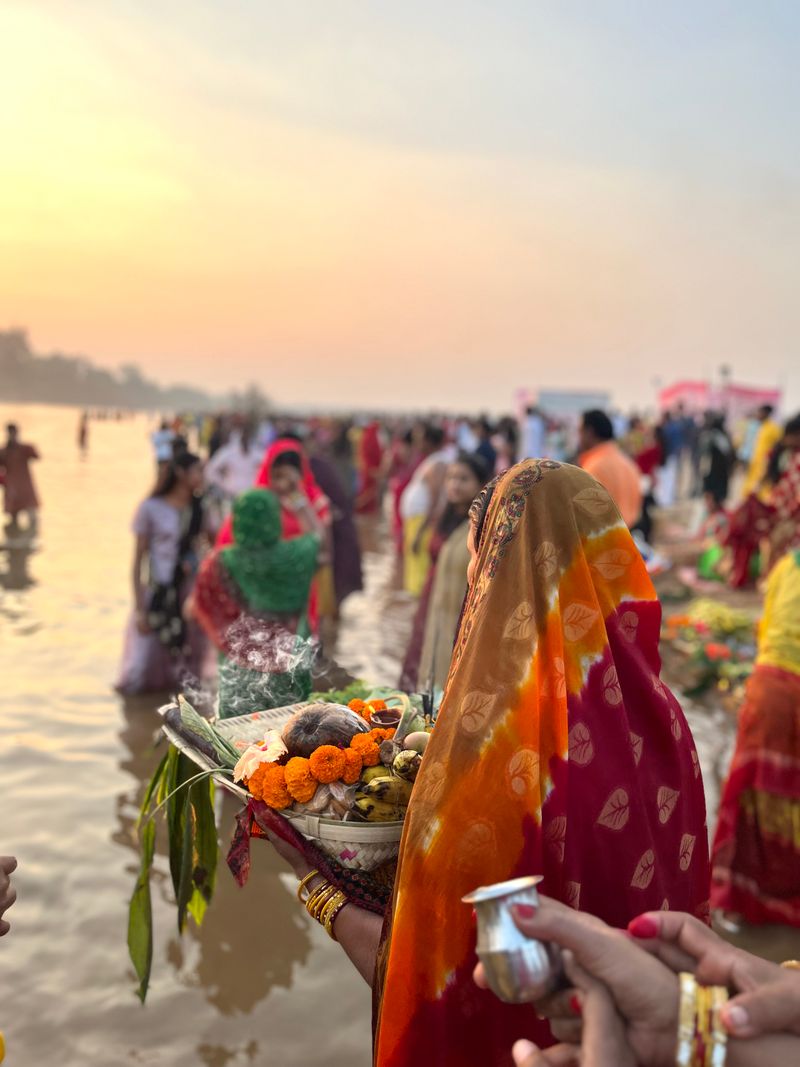
During Pitru Paksha (the fortnight dedicated to ancestors), millions of Hindus perform Tarpan—a sacred water ritual that sends gratitude and blessings to departed souls. This ancient practice isn't just a tradition; it's a profound way to strengthen the spiritual bond between the living and the deceased, creating cosmic balance in your family line. If you've ever wondered how to properly honor your ancestors during this sacred period, this complete guide will walk you through every step.
What You Need (Puja Samagri)
- Tila (sesame seeds) — the most essential ingredient, symbolizing purification
- Jal (sacred water) — from the Ganges, a river, or purified water at home
- Barley or Chana Dal (split chickpeas) — mixed with sesame seeds
- Flower petals (Pushp) — preferably white or yellow flowers like jasmine
- Akshata (unbroken rice grains) — soaked briefly before use
- Ghee (clarified butter) — a few spoonfuls for offering
- Darbha grass (sacred grass blades) — to hold during the ritual
- Kalash (copper or brass pot) — filled with water
- Bronze or copper plate (Taal) — for placing offerings
- Betel leaves (Paan ke patte) — for closing the ritual
- Incense sticks (Agarbatti) — preferably sandalwood
- Dhoti or traditional cloth — for the person performing the ritual
Step-by-Step Puja Vidhi
1. Begin with purification. Take a ritual bath (Snaan) or wash your hands, feet, and face with clean water. Change into clean clothes, preferably a dhoti or traditional wear. This prepares your body and mind to connect with ancestral energies.
2. Set up your altar facing south. Arrange your Kalash, plate, flowers, and offerings on a clean, elevated surface. The south direction is traditionally linked to ancestors (Pitr Disha), making it spiritually significant for this ritual.
3. Invoke the divine. Light incense sticks and ring a bell gently three times. Bow to the sun (if performing during daytime) and mentally invoke the blessings of Lord Yama (the god of dharma and ancestors) and Chitragupta (keeper of karmic records).
4. Remember your ancestors by name. Sit comfortably and recall the names, relationships, and qualities of your departed loved ones. Visualize them with gratitude and love. This creates a powerful emotional and spiritual connection that amplifies the ritual's effectiveness.
5. Mix sesame seeds with barley. In your bronze plate, combine the Tila with Chana Dal or barley. Hold the Darbha grass in your right hand—this grass acts as a conduit between the material and spiritual worlds.
6. Fill the Kalash with water. Pour sacred water while chanting the Gayatri Mantra or a simple prayer to your ancestors. As you pour, feel the intention of offering flowing into the water.
7. Perform the first Tarpan. Cup your right hand, add a handful of the sesame-barley mixture, water from the Kalash, and flower petals. Hold this above the earth or a small depression (some use a small pit or a drainage area). Slowly release the mixture while chanting your ancestor's name and saying: "I offer this to your eternal soul; may you be at peace."
8. Repeat for each ancestor. Perform the same motion for each family member you wish to honor. Traditionally, you make three offerings per person—one for the father (Pitri), one for the mother (Matri), and one for the grandfather (Pitamah) or other elders.
9. Chant relevant mantras. As you perform each Tarpan, recite the Mahamantra: "Om Pitribhyo Namah" (salutations to ancestors) or the Rig Vedic Tarpan Mantra. Even simple Sanskrit chants like "Swaha" (an offering mantra) add spiritual power.
10. Offer water directly. Pour water from the Kalash onto the ground while naming each ancestor. This final water offering symbolizes your commitment to their memory and spiritual welfare.
11. Distribute Prasad. If you've made or brought food offerings (traditionally khichdi, rice, or fruits), distribute them to family members or the poor. This completes the circular flow of blessing.
12. Close with gratitude. Ring the bell three times again, bow respectfully toward the south, and silently thank your ancestors for their lineage blessings.
Best Time (Shubh Muhurta)
Pitru Tarpan is performed during Pitru Paksha, which falls 15 days after the full moon (Purnima) in the Hindu month of Bhadrapada (August–September). The ideal times are early morning (Brahma Muhurta) or sunset (Sandhya Kaal).
For precise timing suited to your birth details, check your Panchang to identify your Pitri tithi (the lunar day of your ancestor's passing). Performing Tarpan on this exact tithi magnifies its spiritual efficacy. You can also use the Muhurta Calculator to find the most auspicious moment in your location.
Significance and Benefits
When you perform Pitru Tarpan, you're fulfilling one of Hinduism's core duties—Pitri Rinn (the debt owed to ancestors). This ritual:
- Liberates ancestral souls from cycles of rebirth, allowing them spiritual progress
- Brings blessings to your family in the form of health, prosperity, and harmony
- Removes ancestral curses or karmic imbalances stored in your lineage
- Strengthens family bonds across generations, creating a protective spiritual shield
- Fulfills your dharmic obligation, reducing psychological guilt and emotional heaviness
Many devotees report feeling lighter, more peaceful, and blessed after performing this ritual consistently. Your ancestors, grateful for your remembrance, become celestial guardians of your life's journey.
Common Mistakes to Avoid
- Performing without proper intention. Rushing through the ritual mindlessly diminishes its power—approach with sincere devotion and emotional connection.
- Using stale or impure water. Always use fresh, clean water; some traditions prefer water from a sacred river like the Ganges.
- Forgetting to chant mantras. The sound vibrations of Sanskrit mantras are essential; don't skip them even if you don't know the exact pronunciation.
- Performing on inauspicious days. Avoid new moon days (Amavasya) unless it's your ancestor's specific tithi; check your Panchang first.
- Incomplete family participation. Ideally, the eldest or most senior family member leads the ritual, ensuring respect and continuity.
FAQ
Q: Can women perform Pitru Tarpan?
A: Absolutely. In modern Hindu practice, women are not only allowed but encouraged to perform Tarpan. Traditionally, wives, daughters, and daughters-in-law all participate. The ritual's sacredness doesn't depend on gender—it depends on pure intention and devotion. If you belong to a specific lineage tradition (Gotra), ensure you follow your family's customs, but gender is not a barrier.
Q: What if I don't know my ancestor's exact name or tithi?
A: This is common, especially for older generations. You can perform Tarpan with a general invocation: "Om, I offer this to all ancestors of my lineage, known and unknown, may you be at peace." Alternatively, generate your Kundali (birth chart) to identify your Pitri tithi based on your birth details, or consult with a family elder or pandit who may have family records.
Q: Can I perform Pitru Tarpan at home, or must I go to a river?
A: Performing at a sacred river like the Ganges, Yamuna, or local rivers amplifies the ritual's effect, but it's not mandatory. You can perform it respectfully at home with pure water. The intention and devotion matter more than the location. If going to a river,
Comments
🔮 Join the conversation — share your thoughts on this article
Login to Comment →