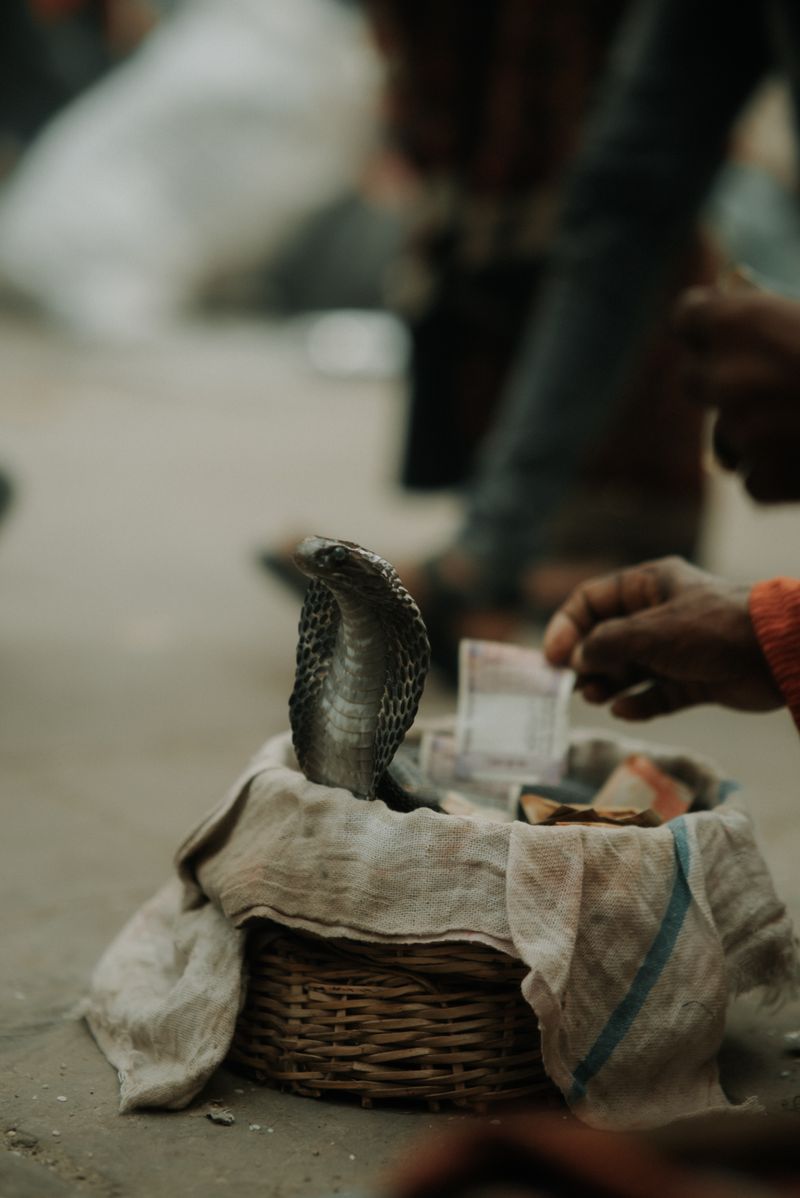
भारत भर के लाखों भक्त अनंत, ब्रह्मांडीय सर्प का सम्मान करने के लिए नाग पंचमी पर भोर से पहले जागते हैं, जो सभी रचनाओं का समर्थन करता है। यह पवित्र अनुष्ठान आपके घर को सुरक्षा के मंदिर में बदल देता है, और सर्प - चाहे वास्तविक हों या प्रतीकात्मक - आपके आध्यात्मिक अभिभावक बन जाते हैं। यदि आपने कभी सोचा है कि इस प्राचीन पूजा को प्रामाणिकता और भक्ति के साथ कैसे किया जाए, तो यह मार्गदर्शिका आपको हर पवित्र कदम के माध्यम से ले जाएगी।
आपको क्या चाहिए (पूजा सामग्री)
- जल से भरा कलश (पवित्र तांबे या मिट्टी का बर्तन)
- लपेटने के लिए वस्त्रपात्र (साफ सफेद या पीला कपड़ा)
- पुष्प (ताजे फूल, विशेष रूप से पीले और सफेद गेंदे के फूल)
- धूप (अगरबत्ती या प्राकृतिक लोबान)
- दीया (घी और रुई की बत्ती वाला मिट्टी का दीपक)
- नैवेद्य (दूध, खीर या फल का भोग)
- तुलसी (पवित्र तुलसी के पत्ते)
- तिलक लगाने के लिए चंदन (चंदन का लेप)
- पूजा घंटी (अनुष्ठान की ध्वनियों के लिए छोटी घंटी)
- जप माला (108 मोतियों वाली माला)
- कुमकुम (सिंदूर पाउडर)
- शहद और दूध (सर्प प्रतिमा पर लेप के लिए)
चरण-दर-चरण पूजा विधि
चरण 1: सुबह जल्दी स्नान करके शुरुआत करें, आदर्श रूप से सुबह 5:00 से 7:00 बजे के बीच। साफ, अधिमानतः सफेद या पीले कपड़े पहनें क्योंकि ये रंग नागराज (सर्पों के राजा) का सम्मान करते हैं।
चरण 2: अपने घर के पूर्वी या उत्तरी कोने में एक साफ पूजा स्थान तैयार करें। जमीन पर एक छोटी चटाई या कपड़ा बिछाएं और अपनी सामग्री को व्यवस्थित रूप से पहुंच के भीतर रखें।
चरण 3: अपने पूजा स्थान के केंद्र में रंगीन पाउडर या चावल का उपयोग करके एक छोटी रंगोली (सजावटी पैटर्न) बनाएं। एक कुंडली मारे हुए सर्प का चित्र बनाएं, जिसका फन उठा हुआ हो - यह ध्यान में लीन अनंत का प्रतिनिधित्व करता है।
चरण 4: रंगोली के केंद्र में कलश रखें। इसे जल से भरें, तुलसी के पत्ते डालें, और इसके चारों ओर ताजे फूल रखें। कलश स्वयं सर्प देवता का प्रतीकात्मक घर बन जाता है।
चरण 5: "ओम नमः शिवाय" का सात बार जाप करते हुए घी से दीया जलाएं। लौ आपके स्थान को शुद्ध करती है और दिव्य उपस्थिति का आह्वान करती है।
चरण 6: पूजा की शुरुआत की घोषणा करने और दिव्य चेतना को जगाने के लिए तीन बार पूजा घंटी बजाएं।
चरण 7: अपने शरीर के चारों ओर क्लॉकवाइज (घड़ी की दिशा में) कलश से जल छिड़कें, सुरक्षा का एक पवित्र घेरा बनाएं। सुरक्षा और परिवार की भलाई के लिए अपनी मंशाएं फुसफुसाएं।
चरण 8: कलश पर चंदन का लेप लगाएं और उस पर कुमकुम का टीका लगाएं। अब हथेलियों को जोड़कर झुकें और "अनंत नाग देवाय नमः" (मैं शाश्वत सर्प देवता को नमन करता हूं) का कम से कम 11 बार जाप करें, प्रत्येक पुनरावृति के साथ अपना ध्यान बढ़ाएं।
चरण 9: "नाग देवता, मैं आपकी ब्रह्मांडीय शक्ति का सम्मान करता हूं, मेरे परिवार को सभी नुकसान और नकारात्मक ऊर्जा से सुरक्षा प्रदान करें।" का जाप करते हुए कलश पर फूल, शहद, दूध और नैवेद्य अर्पित करें। अपनी विशिष्ट मंशाओं को स्पष्ट रूप से बताएं।
चरण 10: अपनी जप माला पकड़े हुए, पूजा स्थान के चारों ओर क्लॉकवाइज सात बार प्रदक्षिणा (परिक्रमा) करें। प्रत्येक परिक्रमा के साथ, "ओम अनंत" या "नाग नाग देवता" का जाप करके अपना संबंध गहरा करें।
चरण 11: 5-10 मिनट के लिए मौन ध्यान करें, दिव्य सर्प ऊर्जा को अपने घर, परिवार और प्रियजनों के चारों ओर सुरक्षात्मक रूप से कुंडली मारे हुए कल्पना करें। इस पवित्र ऊर्जा को सभी नकारात्मकता को भंग करते हुए महसूस करें।
चरण 12: कलश के सामने दीये के साथ आरती (प्रकाश का अनुष्ठान) करके समाप्त करें, इसे क्लॉकवाइज घुमाते हुए। पारंपरिक आरती के भजन गाएं या जाप करें, या बस अपनी कृतज्ञता मौन रूप से व्यक्त करें।
सर्वोत्तम समय (शुभ मुहूर्त)
नाग पंचमी श्रावण (जुलाई-अगस्त) के महीने में शुक्ल पक्ष (बढ़ता चंद्रमा) के पांचवें दिन (पंचमी तिथि) को पड़ती है। सटीक तिथि की पहचान करने के लिए अपने पंचांग की जाँच करें, क्योंकि क्षेत्रीय भिन्नताएं मौजूद हैं।
पूजा का आदर्श समय सूर्योदय और दोपहर के बीच होता है, जिसमें सबसे अच्छा समय आमतौर पर सुबह 6:00 से 8:00 बजे के बीच होता है। यदि आप अपने विशिष्ट स्थान और जन्म विवरण के लिए सबसे शुभ क्षण के बारे में अनिश्चित हैं, तो अपने व्यक्तिगत शुभ मुहूर्त का पता लगाने के लिए मुहूर्त कैलकुलेटर का उपयोग करें।
आश्लेषा नक्षत्र (चंद्र भवन) इस दिन विशेष रूप से पवित्र होता है, क्योंकि यह सर्पों और रहस्य से जुड़ा होता है। राहुल काल या यमगंध काल (प्रत्येक दिन के भीतर अशुभ समय अवधि) के दौरान पूजा करने से बचें।
महत्व और लाभ
नाग पंचमी अनंत, असीम सर्प चेतना का सम्मान करती है जो ब्रह्मांड को बनाए रखती है। हिंदू ब्रह्मांड विज्ञान में, सर्प कुंडलिनी शक्ति (सुप्त आध्यात्मिक ऊर्जा) और ब्रह्मांडीय सुरक्षा का प्रतिनिधित्व करते हैं। इस दिन पूजा करके, आप अपनी व्यक्तिगत ऊर्जा को सार्वभौमिक सुरक्षा और परिवर्तन के साथ संरेखित करते हैं।
यह पूजा आपके घर को दुर्घटनाओं, सर्पदंशों और अनजाने खतरों से बचाती है। आध्यात्मिक रूप से, यह आपकी आंतरिक कुंडलिनी को जगाती है, अंतर्ज्ञान, ज्ञान और आध्यात्मिक जागरूकता को बढ़ाती है। कई भक्त गहन अभ्यास के बाद शांति और सुरक्षा की गहरी भावना की रिपोर्ट करते हैं।
यह अनुष्ठान पूर्वजों के साथ आपके संबंध को भी मजबूत करता है, क्योंकि हिंदू दर्शन में सर्प पूर्वजों और पारिवारिक वंश के संरक्षक का प्रतिनिधित्व करते हैं। यदि आप चुनौतीपूर्ण ग्रह अवधियों से गुजर रहे हैं, तो अपनी विंशोत्तरी दशा को समझना आपकी वर्तमान जीवन अवस्था का समर्थन करने वाले इस अनुष्ठान को प्रकट कर सकता है।
सामान्य गलतियाँ जिनसे बचना चाहिए
-
अशुद्ध मन: इस पूजा को लापरवाही से या विचलित मन से न करें। सर्प इरादे के प्रति अत्यधिक संवेदनशील होते हैं; वे वास्तविक भक्ति का जवाब देते हैं, न कि अनुष्ठान की यांत्रिकी का।
-
गलत समय: अशुभ घंटों के दौरान, विशेष रूप से राहुल काल के दौरान पूजा करने से इसकी आध्यात्मिक शक्ति कमजोर हो जाती है। हमेशा पहले से समय की पुष्टि करें।
-
अधूरे चढ़ावे: दूध, शहद, या तुलसी के चढ़ावे को छोड़ने से अनुष्ठान की प्रभावशीलता कम हो जाती है। प्रत्येक वस्तु का विशिष्ट प्रतीकात्मक अर्थ होता है।
-
प्रतीक का अनादर: सर्प की छवियों का कभी भी अनादरपूर्वक व्यवहार न करें। यदि आप रंगोली बनाते हैं, तो सूर्यास्त तक उसकी सावधानी से देखभाल करें।
-
मंत्रों को जल्दबाजी में पढ़ना: मंत्रों को जल्दबाजी में पढ़ने से आपका आध्यात्मिक अवशोषण कम हो जाता है। धीमा, सचेत पाठ तीव्र यांत्रिक पुनरावृत्ति से कहीं अधिक शक्तिशाली है।
अक्सर पूछे जाने वाले प्रश्न
प्रश्न: क्या मैं नाग पंचमी पूजा कर सकता हूं अगर मेरे परिवार में सर्पों का डर हो?
उत्तर: बिल्कुल। अनुष्ठान का उद्देश्य ही भय को श्रद्धा और सुरक्षा में बदलना है। पूजा कलश और रंगोली के माध्यम से प्रतीकात्मक रूप से काम करती है - आप भौतिक सर्पों को आमंत्रित नहीं कर रहे हैं, बल्कि ब्रह्मांडीय सर्प सिद्धांत का सम्मान कर रहे हैं। शाब्दिक प्राणी के बजाय आध्यात्मिक आयाम पर ध्यान केंद्रित करें, और आपका डर धीरे-धीरे सम्मान में विलीन हो जाएगा।
प्रश्न: यदि अपरिहार्य परिस्थितियों के कारण मैं पंचमी तिथि से चूक जाऊं तो क्या होगा?
उत्तर: जबकि पंचमी आदर्श है, यदि तिथि के घटित होने के 24 घंटे के भीतर पूजा की जाती है तो यह अत्यधिक प्रभावी रहती है। कई पंडित जी अनुष्ठान को पूरी तरह से छोड़ने के बजाय अगले उपलब्ध शुभ समय के दौरान इसे करने की सलाह देते हैं। अपने समय क्षेत्र में सटीक तिथि सीमा के लिए अपना पंचांग देखें।
प्रश्न: क्या पूजा के बाद मुझे जीवित सर्पों को दूध पिलाना चाहिए, जैसा कि कुछ परंपराओं में सुझाया गया है?
उत्तर: यदि आपके क्षेत्र में स्वाभाविक रूप से सर्प आते हैं और आप सुरक्षित संचालन में प्रशिक्षित हैं, तो अपने पूजा स्थान से दूर बाहर दूध की पेशकश करना श्रद्धा का एक सुंदर विस्तार है। हालांकि, कभी भी जबरन खिलाने या खुद को खतरे में डालने की कोशिश न करें। कलश और अनुष्ठान के चढ़ावे आध्यात्मिक रूप से पूर्ण हैं - भौतिक सर्प को दूध पिलाना वैकल्पिक है और इसे केवल सुरक्षित और सम्मानजनक तरीके से ही किया जाना चाहिए।
समापन
नाग पंचमी सभी जीवन में प्रवाहित होने वाली सर्प चेतना का सम्मान करने का आपका निमंत्रण है - जो रक्षा करती है, रूपांतरित करती है और बनाए रखती है। जब आप इस पवित्र पूजा को सच्ची भक्ति के साथ करते हैं, तो आप केवल अपने घर की रक्षा नहीं कर रहे होते हैं; आप अपनी स्वयं की दिव्य क्षमता को जागृत कर रहे होते हैं। इस प्राचीन अनुष्ठान को सुरक्षा, ज्ञान और ब्रह्मांडीय चेतना के साथ अपने संबंध को गहरा करने दें।
टिप्पणियाँ
🔮 इस लेख पर अपनी राय साझा करें — लॉगिन करें
लॉगिन करें →