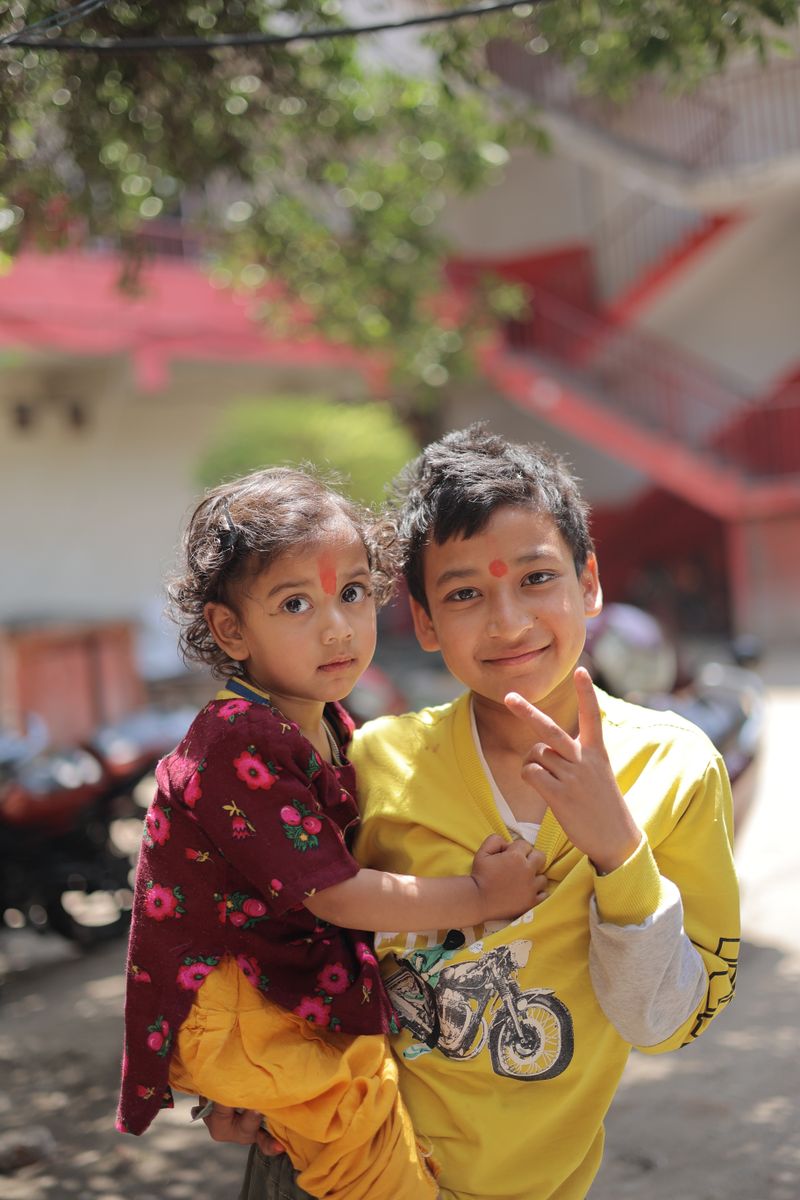
On Kartik Shukla Paksha's second lunar day, millions of sisters across India perform a sacred ritual that transcends mere ceremony—they invoke divine protection over their brothers while strengthening bonds that often outlast marriages and friendships. Bhai Dooj [Brother's Second Day], celebrated two days after Diwali, is when sisters apply a tilak [sacred mark] on their brothers' foreheads and pray for their long life and prosperity. This ancient ritual embodies the essence of Indian family values, turning a simple act of love into a spiritual transaction with the cosmos itself.
What You Need (Puja Samagri)
Gather these sacred items before you begin:
- Diya (small oil lamp) — symbolizes the light of wisdom and protection
- Kalash (sacred copper or brass pot) — represents the divine feminine energy
- Akshat (unbroken rice grains) — offerings of purity and prosperity
- Tilak powder (vermillion or kumkum) — the blessing mark
- Aarti ki thali (ritual plate) — holds the diya and offerings
- Flowers (preferably marigolds or roses) — fresh petals for the altar
- Sweets and fruits — typically ladoos, barfi, or seasonal fruits for Prasad [blessed offering]
- Threads (preferably red or saffron) — sometimes tied on the wrist
- Ganesh Murti (idol or image of Lord Ganesha) — to remove obstacles
- Water (preferably Gangajal, but regular pure water works) — for washing feet ritually
- Sandalwood paste (Chandan) — cooling and auspicious fragrance
- Incense sticks (Agarbatti) — creates a sacred atmosphere
Step-by-Step Puja Vidhi
1. Prepare your space: Clean the altar or worship area thoroughly with water and wipe it dry. Ensure the space is quiet and free from distractions. This cleanliness invites divine presence.
2. Place the Kalash: Position the sacred pot filled with water at the center of your altar. This represents the goddess Lakshmi and serves as an anchor for your prayers.
3. Invoke Ganesha: Light the diya in front of Lord Ganesha's image or idol. Offer flowers and akshat, chanting "Om Gam Ganapataye Namaha" three times. Ganesha removes all obstacles from your ritual.
4. Purify the space: Light incense sticks and let the fragrant smoke fill your room. Walk around the altar clockwise with the incense, creating a sacred boundary.
5. Call your brother: Ask your brother to sit before you on a clean cloth or mat, facing east if possible. If he's distant, you can perform this ritual in his name with his photograph.
6. Wash his feet: Pour water gently over his feet and wipe them with a clean cloth—this act signifies respect and service, core to Bhai Dooj's philosophy.
7. Apply Chandan: Using sandalwood paste, draw a tilak on his forehead in a crescent or vertical line shape. This cools the mind and invokes divine blessings.
8. Apply the main tilak: Using tilak powder (kumkum or vermillion), place a mark on his forehead, just above the eyebrows. This is the most sacred moment—as you do this, pray silently for his health, happiness, and long life.
9. Offer flowers: Place flowers at his feet and on his head, symbolizing that you see the divine in him and honor his existence.
10. Perform Aarti: Hold the Aarti plate with the lit diya and move it in clockwise circles before his face. Traditionally, move it in five circles—once for each sense he should use wisely. Chant "Hari Om" or any Vedic mantra that resonates with you.
11. Distribute Prasad: Offer him sweets and fruits first, then share them with everyone present. Prasad [sanctified food] carries the blessings of the ritual into your bodies.
12. Tie a thread: Some families tie a colored thread or band on the brother's wrist as a protective charm that lasts the entire year.
Best Time (Shubh Muhurta)
Bhai Dooj falls on Kartik Shukla Paksha Dwitiya (the second lunar day in the bright fortnight of Kartik month, typically October or November). The ideal time window is early morning between 6:00 AM and 10:00 AM, when the sun's energy is fresh and Mercury's influence aids clear communication and bonding.
Check your Panchang to confirm the exact date in your region, as lunar calendars vary by geography. Using a Muhurta Calculator ensures you choose the most auspicious moment on Bhai Dooj for your specific location.
Significance and Benefits
Vedic texts describe Bhai Dooj as a ritual that activates the Raksha Bandhan [protective bond] energy year-round. When a sister performs this puja with pure intent, she's essentially casting protective spells through ancient Sanskrit vibrations, asking the cosmic forces to shield her brother from harm.
For brothers, this ritual reinforces their dharmic [righteous] duty to protect their sisters. The tilak on the forehead stimulates the Ajna Chakra [third eye], enhancing intuition and decision-making abilities. Sisters often report that brothers who receive this blessing make wiser choices throughout the year.
Emotionally, Bhai Dooj strengthens the sibling bond in modern families where brothers and sisters live apart. It's a moment of vulnerability and love that transcends the busyness of daily life.
Common Mistakes to Avoid
- Performing the ritual with a heavy heart: Your intentions matter more than perfection. Approach this with genuine love, not obligation.
- Using old or stale flowers: Fresh flowers carry higher vibrations. Wilted flowers diminish the ritual's potency.
- Skipping the foot-washing step: This isn't optional—it's the humbling moment that makes the ritual complete and authentic.
- Applying tilak too forcefully: Be gentle; the tilak should be a blessing, not a mark of dominance.
- Rushing through the Aarti: Give the aarti at least 2-3 minutes of focused attention. This is when cosmic energies are most receptive.
FAQ
Q: Can unmarried sisters perform Bhai Dooj?
A: Absolutely. Bhai Dooj isn't restricted by marital status. Any sister, married or unmarried, can perform this ritual for her brother. The blessing is universal and comes from the depth of your bond, not your circumstances.
Q: What if my brother lives abroad?
A: You can perform the ritual using his photograph or in his name. Your intention and prayer reach him regardless of physical distance. Many sisters find that brothers report unexpected good fortune on Bhai Dooj day, even when unaware of the ritual being performed.
Q: Is Bhai Dooj only for blood siblings?
A: While traditionally performed for biological siblings, you can extend this ritual to cousins, step-siblings, or even close male friends who hold a brother-like place in your heart. The ritual's power lies in your genuine affection.
Bhai Dooj reminds us that in a world obsessed with romantic love, the bond between siblings remains quietly sacred. When you perform this ritual with full presence and pure heart, you're not just honoring your brother—you're participating in an ancient cycle of protection and blessing that has sustained Indian families for millennia.
Comments
🔮 Join the conversation — share your thoughts on this article
Login to Comment →