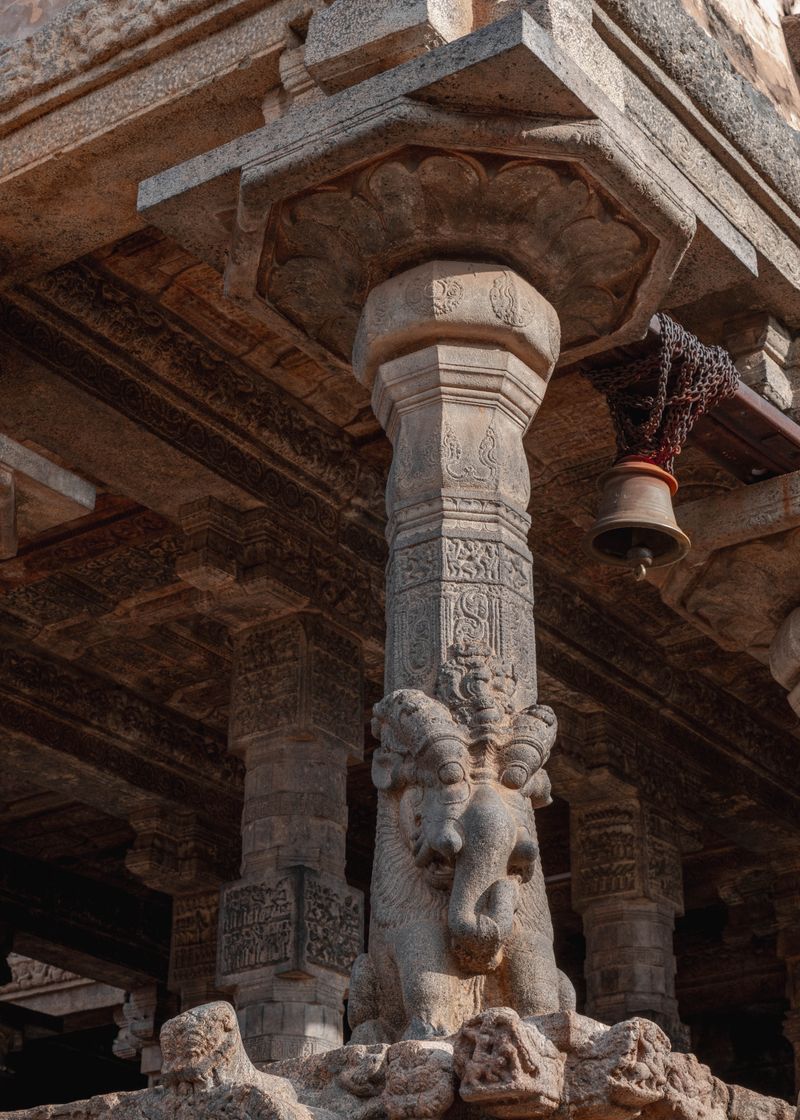
Deep in the heart of Tamil Nadu lies a temple whispered about in hushed tones, a place where the celestial serpent's divine dance is said to manifest in a breathtaking spectacle. Thirunageswaram, a name that resonates with devotees of the Navagrahas, is home to the Naganathaswamy Temple, famously known as the Rahu Sthalam. This isn't just another ancient structure; it's a powerful nexus where the earthly and the divine intertwine, especially for those seeking to understand and appease the influence of Rahu.
A Serpent's Promise and Ancient Origins
The story of Thirunageswaram is woven with threads of divine intervention and celestial beings. Legend has it that Rahu, the celestial north node, once worshipped Lord Shiva here to absolve himself of a curse. It is said that Rahu performed penance in the form of a serpent, hence the name "Nageswaram" (Abode of the Serpent God). The presiding deity, Lord Naganathaswamy, is Lord Shiva himself, who was pleased with Rahu's devotion and granted him a boon. This sacred ground is believed to have been established centuries ago, its exact origins lost in the mists of time, but its spiritual power undiminished.
This ancient pact between Rahu and Shiva forms the very foundation of the temple's sanctity, drawing souls seeking grace and balance.
The Lord Who is Also the Shadowy Planet
Lord Naganathaswamy, as Shiva, embodies the transformative power of the universe. But here, he also represents Rahu, the karmic force associated with earthly desires, ambition, and sudden turns of fortune. In Hindu mythology, Rahu is often depicted as a shadowy entity, a serpent's head without a body, born from the churning of the cosmic ocean.
Rahu's influence in Jyotish is profound, often linked to obsession, foreign lands, technological advancements, and even illusionary realities. Devotees flock to this temple to seek guidance and mitigate the challenging aspects of Rahu's transit in their lives. Understanding the dual nature of this deity is key to unlocking the temple's deeper spiritual significance.
An Architectural Marvel Rooted in Tradition
The Thirunageswaram Naganathaswamy Temple is a magnificent example of Dravidian architecture, boasting intricate carvings and towering gopurams that speak of its long and storied past. Though it doesn't hold a UNESCO World Heritage status, its architectural grandeur and historical significance make it a treasure. The temple complex is vast, with several mandapams and shrines, each echoing with centuries of prayers and devotion.
As you walk through its hallowed corridors, you can feel the palpable energy of devotion that has permeated the very stones over millennia. Every pillar and every fresco tells a story, inviting you to connect with the divine on a deeper level.
Where Milk Turns Blue: Rahu's Astrological Powerhouse
This is the primary Navagraha temple dedicated to Rahu, and its most famous phenomenon is the "Pal abhishekam" – the milk ablution performed to Rahu during Rahu Kalam. Astonishingly, the milk poured over the idol of Rahu miraculously turns a deep blue. This surreal sight is a powerful affirmation of the deity's presence and the potent energy of this sacred place.
In Vedic astrology, Rahu signifies desires that propel us forward, sometimes leading to sudden rises and unexpected fortunes, but also to obsessive tendencies and delusion. Rahu Kalam, a specific period of inauspicious time each day, is considered the most potent time to worship here, as it is believed that praying during this phase can appease Rahu and channel its energy constructively. This unique ritual offers a tangible connection to the cosmic forces at play.
When is Your Rahu Dasha Calling You Here?
Your personal astrological chart can reveal when a visit to Thirunageswaram might be particularly beneficial. If you are currently undergoing a Rahu Mahadasha or Antardasha (major or minor planetary periods), or if Rahu is transiting through challenging houses in your birth chart, a pilgrimage here can be incredibly supportive.
A transit of Rahu over your Janma Lagna (ascendant) or your Moon sign can also indicate a time when seeking the blessings of Lord Naganathaswamy is especially important. These astrological alignments often signify periods of significant change, ambition, and the need for spiritual grounding.
Festivals and the Auspicious Season for Blessings
The temple celebrates numerous festivals throughout the year, with the Brahmotsavam during the Tamil month of Masi (February-March) being the most significant. The annual Rahu peyarchi (transit of Rahu) is also a major event, drawing large crowds seeking divine intervention.
For a truly serene and spiritually charged experience, the cooler months between November and February are ideal. This period offers pleasant weather, allowing for a more comfortable exploration of the temple and its surroundings, enhancing your spiritual journey.
Your Practical Path to Thirunageswaram
Thirunageswaram is located near the temple town of Kumbakonam in the Thanjavur district of Tamil Nadu. The nearest major city is Thanjavur, and the closest airport is Trichy (Tiruchirappalli), about 80 km away. Regular bus services connect Kumbakonam and Thanjavur to Thirunageswaram.
When visiting, remember to dress modestly out of respect for the sacred nature of the temple. Typical temple timings are from 6:00 AM to 1:00 PM and 3:00 PM to 8:30 PM, though it's always wise to check the latest timings upon arrival. Embracing the local customs will enrich your pilgrimage.
Vedic Remedies for Earthly Challenges
Devotees often come to Thirunageswaram seeking relief from Rahu-related afflictions such as career stagnation, marital discord, health issues, or a general sense of being stuck. Specific pujas like the Milk Abhishekam during Rahu Kalam are highly recommended. Chanting the Rahu Gayatri Mantra or the powerful Beeja Mantra for Rahu can also be beneficial.
Offering prayers and performing the rituals with sincere devotion at this sacred site is believed to help mitigate negative influences, foster spiritual growth, and pave the way for positive transformations in your life.
One Thing You Can Do Today:
Reflect on an area in your life where you feel a strong pull or obsession. Consider how you can channel this energy more positively, perhaps through focused action or spiritual practice.
Comments
🔮 Join the conversation — share your thoughts on this article
Login to Comment →