Imagine standing before a temple whispered to be as old as time itself, a place where Lord Shiva's divine light is said to reside in its most potent form. Nageshwar Temple, near the holy city of Dwarka in Gujarat, is exactly that — a beacon of spiritual energy and ancient lore. This isn't just a structure; it's a living testament to faith, a place where the very earth vibrates with the presence of the divine.
A Legend Born of Devotion and a Serpent's Boon
The origins of Nageshwar Temple are deeply entwined with an ancient tale of a devoted follower and a powerful serpent. Legend has it that a dedicated Shiva bhakta named Puranik, while traveling by sea, was captured by a fearsome demon named Daaruk. Daaruk imprisoned Puranik and other devotees, forcing them to worship him. Puranik, however, refused to yield and continued his fervent prayers to Lord Shiva.
Moved by Puranik's unwavering devotion, Lord Shiva appeared and vanquished the demon Daaruk, freeing the prisoners. It is believed that Lord Shiva then manifested as a Jyotirlinga at this very spot to protect his devotees, hence the name Nageshwar, signifying the "Lord of the Serpents," acknowledging the Naga's (serpent's) role in the legend and Shiva's dominion over them. This sacred site is considered one of the 12 Jyotirlingas, embodying Shiva's infinite cosmic light.
Who is Lord Shiva, the Cosmic Dancer?
Lord Shiva, known as the destroyer and transformer, is one of the principal deities of Hinduism. He represents the cyclical nature of existence – creation, preservation, and destruction. Shiva is often depicted as an ascetic, meditating on Mount Kailash, with a trident (Trishul) and a drum (Damru), and his consort is Goddess Parvati.
In Hindu tradition, Shiva embodies both fierce power and profound peace. He is the Adi Yogi, the first yogi, and the master of meditation and yogic sciences. Worshipping Shiva is believed to grant liberation, overcome obstacles, and bestow inner strength and wisdom. At Nageshwar, he is revered as the protector, the vanquisher of evil, and the ultimate source of spiritual solace.
An Architectural Marvel Rooted in Antiquity
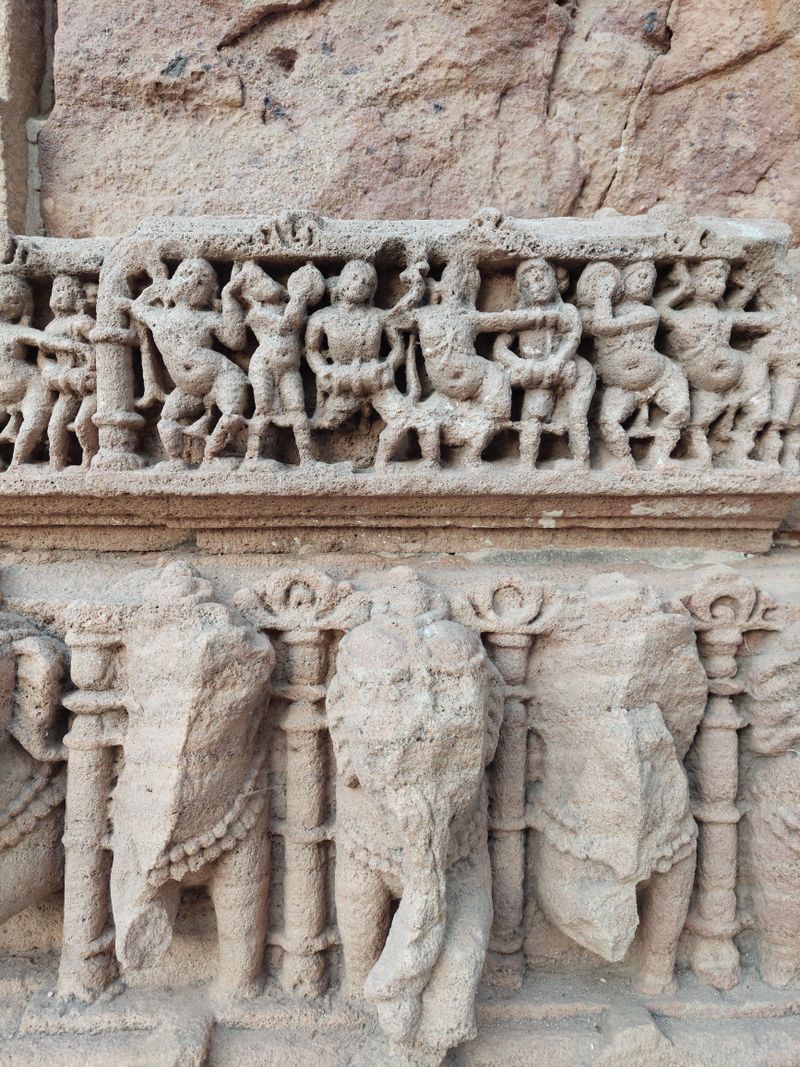
While the exact construction date is lost to antiquity, Nageshwar Temple is believed to be one of the oldest Shiva temples in India. Its architecture reflects a blend of ancient and later renovations, with a distinctly Dravidian influence in its older sections. The temple complex houses the main sanctum where the Jyotirlinga is enshrined.
What truly captivates visitors is the colossal statue of Lord Shiva standing majestically outside the temple premises. This awe-inspiring sculpture, depicting Shiva in a meditative pose, is a modern addition but has become an iconic symbol of the temple, drawing devotees and tourists alike. The serene expression and immense scale of the statue offer a powerful visual representation of Shiva's divine presence, making the pilgrimage an unforgettable experience.
When the Stars Align for a Divine Visit
In Vedic astrology, certain planetary configurations can make a pilgrimage to Nageshwar Temple particularly potent. If you are experiencing a challenging period in your Rahu or Ketu Mahadasha or Antardasha, a visit here can be highly beneficial. These shadow planets are closely associated with serpent energies, and Nageshwar's connection to the Naga lineage makes it a prime location for mitigating their malefic effects.
Furthermore, when transit Saturn (Shani) aspects your birth Moon or affects your Rahu/Ketu axis, a pilgrimage can offer immense relief. The presence of the Jyotirlinga at Nageshwar is believed to harmonize these planetary energies, providing spiritual protection and alleviating karmic burdens. Visiting during such astrological periods can amplify the transformative power of your prayers.
Which Planetary Dashas Enhance Your Spiritual Journey?
Your spiritual journey at Nageshwar can be significantly amplified during specific astrological periods. If you are undergoing a Rahu Mahadasha or Antardasha, you might find yourself drawn to this sacred site. Rahu, often symbolized as a serpent's head, is powerfully appeased by Lord Shiva, especially at Nageshwar, which is renowned for its Naga connection.
Similarly, Ketu Mahadasha or Antardasha can also make a visit profoundly impactful. Ketu, representing the serpent's tail, is linked to spiritual detachment and past karmas. Nageshwar offers a unique opportunity to seek Shiva's blessings for overcoming obstacles and spiritual growth during these challenging yet transformative planetary periods. Even transits of Jupiter (Guru) over your Rahu or Ketu can indicate a favorable time for seeking Shiva's grace here.
Embracing Blessings: Festivals and the Auspicious Time to Visit
The spiritual vibrations at Nageshwar Temple are palpable throughout the year, but certain times offer a heightened experience. The most auspicious time to visit is during the Hindu months of Shravana (July-August), which is dedicated to Lord Shiva. The entire month is considered highly sacred, with Mondays in Shravana being particularly powerful for Shiva worship.
Maha Shivaratri, celebrated in February or March, is another grand occasion. The temple bustles with devotees offering prayers, performing pujas, and chanting mantras throughout the night. While these festivals offer a vibrant spiritual atmosphere, visiting during the winter months (October to March) provides pleasant weather for travel and a more serene darshan experience.
Your Practical Guide to Nageshwar's Sacred Precincts
Reaching Nageshwar Temple is relatively straightforward, as it is located close to Dwarka in Gujarat. The nearest major city is Dwarka, which is a well-connected pilgrimage hub. The closest airport is Jamnagar Airport (JDH), about 90 kilometers away, followed by Porbandar Airport (PBD), approximately 100 kilometers away. From these airports, you can hire a taxi or take a bus to Dwarka.
The best season to visit is during the cooler months, from October to March, when the weather is pleasant. It is advisable to dress modestly out of respect for the religious sanctity of the temple; covering your shoulders and knees is generally recommended. While specific timings can vary, the temple typically opens early in the morning for darshan and closes in the late evening, with a midday break.
Seeking Solace Through Vedic Remedies
Nageshwar Temple is renowned as a powerful place for seeking relief from specific astrological afflictions, particularly Kaal Sarp Dosh and issues related to Rahu and Ketu. Devotees often perform special pujas and offer prayers at the temple to appease these planetary energies. Chanting the Mahamrityunjaya Mantra, dedicated to Lord Shiva for protection and longevity, is highly recommended here.
The unique association with serpents makes it a potent center for remedies related to Naga Dosha, which can manifest as difficulties in marriage, progeny, or health. Offering milk to the Shivling, performing Rudrabhishek, and reciting the Nageshwar Mahatmya are some of the significant Vedic remedies undertaken by devotees seeking to resolve their problems and attain spiritual peace.
One Thing You Can Do Today
Take a moment to chant the Mahamrityunjaya Mantra three times, focusing on Lord Shiva's protective energy. If you are planning a pilgrimage, start by researching the specific dates for Shravana or Maha Shivaratri this year.
Comments
🔮 Join the conversation — share your thoughts on this article
Login to Comment →