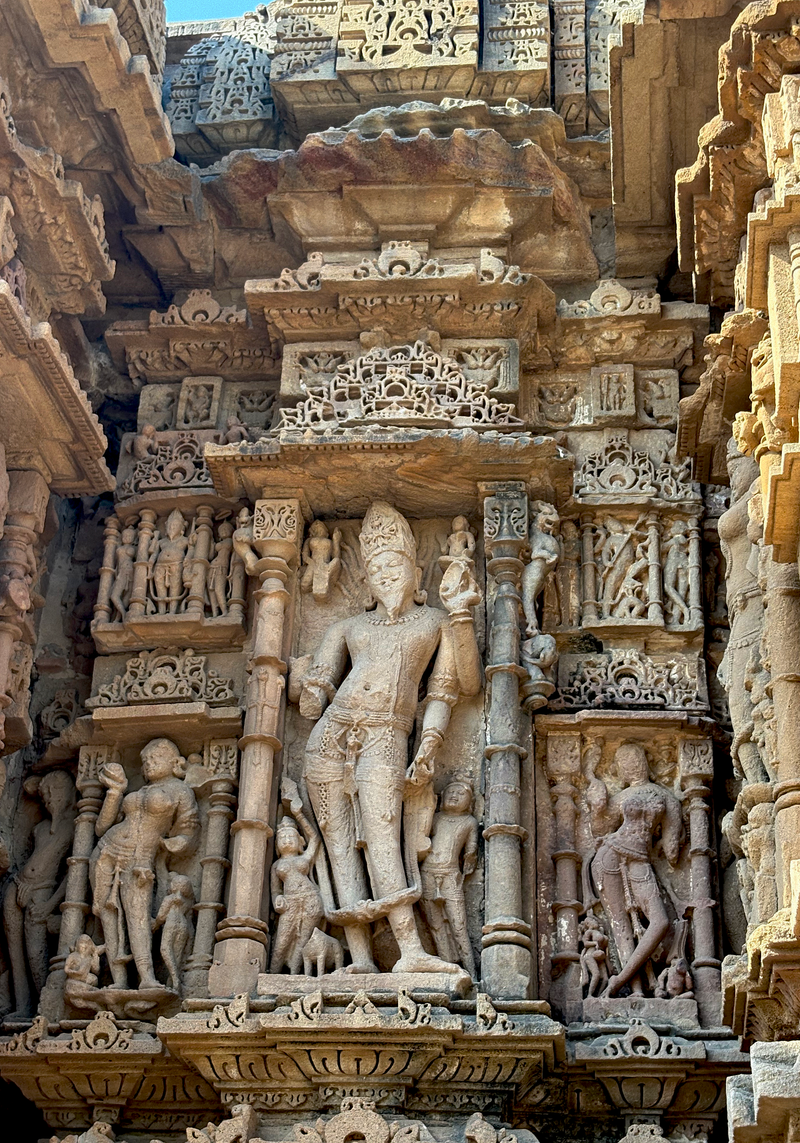
Nestled in the heart of Bhubaneswar, Odisha, stands a monument that has witnessed centuries unfold, a testament to faith and architectural brilliance: the Lingaraj Temple. This sacred abode is not just a structure of stone; it's a vibrant hub of spiritual energy, a place where the divine manifests in its most profound forms. For anyone seeking solace, blessings, or a deeper connection with the cosmos, this temple offers a journey unlike any other.
What ancient whispers built this divine abode
The story of Lingaraj Temple is as old as the city it graces, with its origins lost in the mists of time. Legend has it that the temple was built sometime in the 11th century by King Jajati Keshari of the Somavanshi dynasty, who was instrumental in establishing Bhubaneswar as a major pilgrimage centre. The founding myth itself is deeply entwined with the divine presence of Lord Shiva. It is said that Parvati, during her visit to Earth, felt fatigued and rested on the banks of the Bindusagar tank, bathing in its waters. Shiva, pleased by her devotion and the sanctity of the spot, chose to reside there, bestowing his blessings upon all who visit.
This ancient narrative sets the stage for the immense spiritual power that permeates the temple grounds, drawing devotees from far and wide seeking divine grace. Understanding this origin adds a layer of reverence to your visit, connecting you to generations of pilgrims who have walked these sacred paths.
The unique union of Shiva and Vishnu
The presiding deity here, Lord Tribhubaneswara, is a magnificent embodiment of Harihara, a divine form that unites Lord Shiva and Lord Vishnu. This unique fusion represents the ultimate oneness of the supreme deities in Hindu tradition, signifying that all paths lead to the same divine source. Lord Shiva, the destroyer and transformer, and Lord Vishnu, the preserver, come together here to showcase the cyclical nature of existence and the balance of the universe.
This divine union is not merely symbolic; it offers devotees a holistic experience of divine energy. Whether you seek liberation from worldly sorrows or wish for the stability and prosperity of life, the blessings of Tribhubaneswara encompass all aspects of your spiritual and material well-being. Witnessing this combined form offers a profound insight into the all-encompassing nature of the divine.
A masterpiece etched in stone
The architectural grandeur of Lingaraj Temple is simply breathtaking, a prime example of the Kalinga style of architecture. The towering spire, reaching up to 40 meters, is adorned with intricate carvings depicting scenes from mythology and daily life, each telling a story of devotion and artistry. The temple complex is a symphony of interconnected structures, including the main shrine, the Natamandapa (dance hall), the Bhoga Mandapa (offering hall), and the Yajna Shala (sacrificial hall).
While not currently a UNESCO World Heritage site, its historical and artistic significance is undeniable, often drawing comparisons to other iconic temples of Odisha. The sheer scale and detailed craftsmanship speak volumes about the dedication of the artisans and the vision of the rulers who commissioned this monumental undertaking. Every corner of this temple whispers tales of a glorious past, inviting you to explore its artistic wonders.
When the stars align for your spiritual journey
Bhubaneswar, rightly called the "Temple City of India," is a celestial map in itself, and Lingaraj Temple holds a unique position. The presence of Harihara signifies a powerful astrological conjunction, blending the energies of Shiva and Vishnu. From a Jyotish perspective, this union is incredibly potent, especially during the transit of Jupiter and Saturn, which govern spiritual growth and destiny.
The Shivaratri festival, dedicated to Lord Shiva, is celebrated with unparalleled fervour here. It's believed that observing Shivaratri at Lingaraj Temple, particularly when under the influence of a favourable Dasha or transit related to Jupiter (Guru) or Venus (Shukra), can amplify spiritual benefits. The combined energies of the deity and the cosmic alignments can profoundly impact your inner journey, offering clarity and divine intervention. Visiting during such auspicious times can be a transformative experience for your spiritual path.
Unlocking divine grace through planetary influences
Certain planetary periods can make a pilgrimage to Lingaraj Temple exceptionally powerful. If you are undergoing a Jupiter Dasha or Antardasha, which is a period associated with wisdom, spirituality, and expansion, visiting this temple can significantly enhance your spiritual learning and divine connection. Similarly, a well-placed Venus in your horoscope, ruling love, beauty, and divine bliss, can also make this pilgrimage particularly rewarding, amplifying feelings of devotion and inner peace.
Conversely, if you are experiencing challenging transits or Dashas related to Saturn (Shani) or Rahu, seeking the blessings of Lord Tribhubaneswara at this sacred site can offer immense relief and guidance. The combined energies of Shiva and Vishnu are believed to pacify malefic influences and bestow strength to overcome obstacles. Understanding these astrological timings can help you plan a visit that resonates with your current cosmic energies.
Festivals and the best time to seek blessings
The spiritual pulse of Lingaraj Temple beats strongest during its numerous festivals. The most significant is undoubtedly Shivaratri, usually falling in February or March, which draws massive crowds seeking the Lord's blessings. The Ashokastami festival, celebrated in March-April, is another major event where the deities are taken out in chariots, a spectacle of devotion and tradition.
For a more serene spiritual experience, the months of winter, from October to March, are ideal. The weather is pleasant, allowing for comfortable exploration of the temple and its surroundings. However, if you wish to witness the vibrant energy of the festivals and connect with the collective devotion, timing your visit with Shivaratri would be exceptionally auspicious. The divine grace flows abundantly during these times, creating an atmosphere charged with spiritual fervor.
Your practical guide to a sacred pilgrimage
Reaching Lingaraj Temple is straightforward, with Bhubaneswar being well-connected by air, rail, and road. The nearest airport is Biju Patnaik International Airport (BBI), located about 6 km from the city centre. The temple is easily accessible from Bhubaneswar railway station and major bus terminals. The best season to visit is during the cooler months, from October to March, when the weather is conducive for travel and exploration.
Remember to dress modestly, covering your shoulders and knees, out of respect for the sanctity of the temple. While general darshan is usually open from sunrise to sunset, specific timings for rituals and aarti might vary, so it's advisable to check locally upon arrival. The peaceful atmosphere inside the temple complex is conducive to deep meditation and prayer, allowing you to immerse yourself fully in the divine presence.
Remedies and blessings for your soul
Devotees often visit Lingaraj Temple seeking solutions to various life challenges. Specific pujas and mantras dedicated to Lord Tribhubaneswara are performed here to alleviate problems related to health, wealth, career, and relationships. Chanting the Mahamrityunjaya Mantra or offering special abhishekam to the deity are believed to bestow protection and longevity.
Many individuals come seeking blessings for marital harmony, progeny, or relief from karmic afflictions. The inherent power of this sacred site, combined with sincere devotion, is believed to open pathways to divine intervention and spiritual healing. A visit here is not just about sightseeing; it's an opportunity to engage in profound Vedic remedies that can bring about lasting positive change in your life.
One Thing You Can Do Today
Reflect on the divine union of Shiva and Vishnu in your own life. Look for ways to integrate seemingly opposing forces within you – action and contemplation, discipline and compassion – finding harmony in their balance.
Comments
🔮 Join the conversation — share your thoughts on this article
Login to Comment →