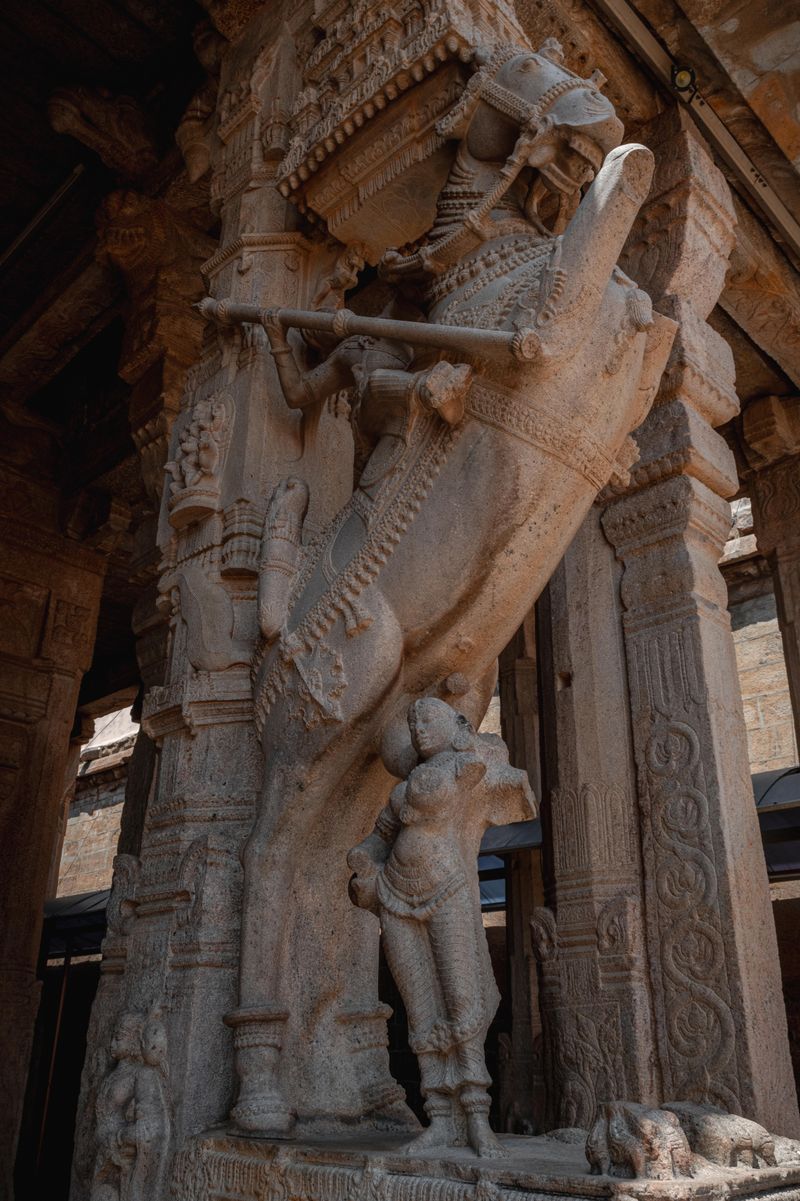
Imagine standing where ancient sages once meditated, feeling the cosmic energies shift around you. Keezhperumpallam Naganathaswamy Temple isn't just a place of worship; it's a portal, a sacred space dedicated to Lord Shiva as Naganathaswamy and, significantly, to Ketu, the South Node of the Moon. This temple is a cornerstone of the Navagraha sthalams, the nine sacred sites dedicated to the celestial bodies, and it holds a special power for anyone seeking to understand and navigate their spiritual journey.
A Serpent's Embrace: Temple Origins
The very foundations of Keezhperumpallam Naganathaswamy Temple whisper tales from the Puranas. Legend has it that the celestial serpent Adi Shesha, upon witnessing the cosmic dance of Lord Shiva, was blessed by the Lord himself. It is believed that Lord Shiva himself consecrated this place, making it a potent centre for healing and spiritual awakening. The temple's antiquity is evident in its very stones, though a precise construction date is lost to the mists of time, its spiritual resonance is undeniable. This ancient energy is what draws pilgrims seeking solace and divine intervention.
Lord Naganathaswamy and the Mystical Ketu
At the heart of Keezhperumpallam resides Lord Naganathaswamy, a form of Lord Shiva. Here, he is worshipped in his aspect as the divine remover of Naga dosha (serpent afflictions) and the embodiment of Ketu. In Vedic tradition, Ketu, often called the "Dragon's Tail," is a shadow planet symbolizing past karma, detachment, spirituality, and liberation. While it may sound ominous, Ketu, when understood and appeased, is a powerful force for spiritual growth. Praying to Lord Naganathaswamy is believed to purify the effects of Ketu in your life, offering clarity amidst confusion.
Where Architecture Meets the Divine
The architectural style of Keezhperumpallam Naganathaswamy Temple is typical of ancient Dravidian temple design, characterized by its vimana (tower) and intricate carvings. Though it may not boast the grandeur of some larger temples, its simplicity holds a profound beauty. The sanctum sanctorum houses the presiding deities, with a special emphasis on the shrine dedicated to Ketu, adorned with a multi-headed serpent image. This unique focus on Ketu is what sets this temple apart as a Navagraha shrine. The subtle yet powerful atmosphere invites deep introspection.
Ketu's Cosmic Dance: Your Astrological Compass
In Jyotish, Ketu is deeply intertwined with moksha, spiritual seeking, past-life experiences, and the ultimate liberation from the cycle of birth and death. When Ketu is strong or afflicted in your birth chart, it can manifest as feelings of detachment, confusion, dissatisfaction, or a deep yearning for something more profound. This temple is considered the premier destination for appeasing Ketu, offering remedies for Ketu Mahadasha, adverse transits, and the karmic baggage of past lives. A visit here is believed to guide you towards spiritual clarity and detachment from worldly suffering, paving the way for liberation.
When Should You Seek Ketu's Grace?
Certain planetary periods make a pilgrimage to Keezhperumpallam especially potent. If you are currently experiencing your Ketu Mahadasha or Antardasha, or if Ketu is heavily influencing your transits, this is a time when its energy is amplified. The period when Jupiter transits your 7th or 9th house from Ketu can also be auspicious for seeking its blessings. Understanding these astrological timings can help you align your visit with a period of heightened spiritual receptivity. This alignment can unlock profound transformations.
Festivals and the Perfect Time to Visit
While the temple offers solace year-round, certain times enhance the spiritual experience. The annual Brahmotsavam, usually held in the Tamil month of Margazhi (December-January), is a grand festival celebrating Lord Shiva and the Navagrahas. However, any time during the Tamil months of Purattasi (September-October) or Panguni (March-April) is considered auspicious, often coinciding with planetary alignments favourable for Ketu. Visiting during the evening twilight, known as Pradosham, is also highly recommended for its unique spiritual vibrations. These periods offer a unique connection to the divine energies.
Your Journey to Sacred Ground
Keezhperumpallam is located in the Thanjavur district of Tamil Nadu, near the town of Sirkali. The nearest major railway station is Chidambaram, and the closest airport is Tiruchirappalli (Trichy) or Chennai. Buses are readily available from major towns in Tamil Nadu to Sirkali. The best season to visit is between October and March, when the weather is pleasant and conducive for travel and temple visits. Modest attire is recommended, covering shoulders and knees, to show respect. Darshan timings typically start early in the morning and extend into the evening, with a midday break.
Remedies and Releasing Your Karmic Bonds
Devotees flock to Keezhperumpallam seeking relief from various afflictions, particularly those related to Ketu. Specific pujas, such as the Naga Dosha Parihara Puja and special abhishekam to Lord Naganathaswamy, are performed here. Chanting the Ketu Gayatri mantra or specific Shiva mantras can amplify your prayers. Many come seeking remedies for chronic health issues, family discord, or a lack of spiritual progress. The temple's energy is believed to help release past-life karmic blockages and guide individuals towards their true spiritual path.
One Thing You Can Do Today
Reflect on any feelings of confusion or detachment you might be experiencing. Consider if past experiences are holding you back from moving forward. Start a simple meditation practice, focusing on breath, to cultivate inner stillness.
Comments
🔮 Join the conversation — share your thoughts on this article
Login to Comment →