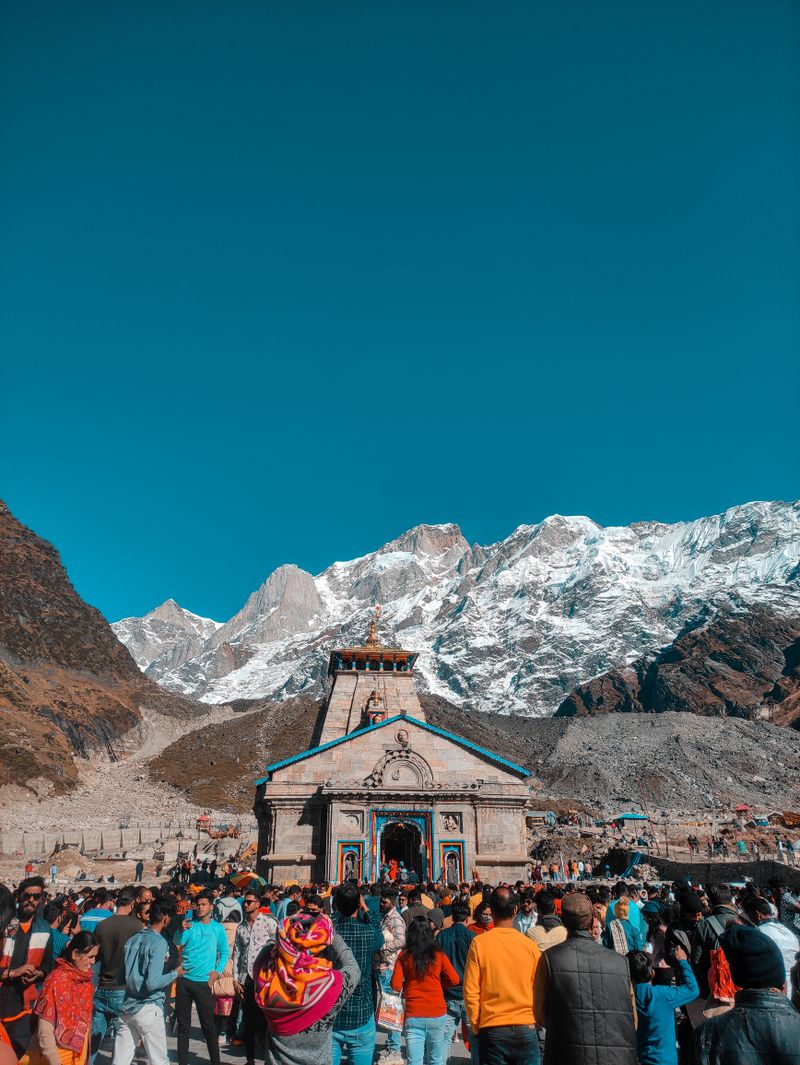
Nestled high in the Garhwal Himalayas, the Kedarnath Temple stands as a beacon of devotion, a sacred pilgrimage that calls to souls seeking solace and spiritual awakening. This isn't just a structure; it's a living testament to faith, a place where the divine presence of Lord Shiva is palpable, especially for those on a soul-stirring journey.
The Echoes of Ancient Legends
Imagine a time when Lord Shiva himself, in his sorrow after the Kurukshetra war, sought refuge in these majestic mountains. The Pandavas, seeking to atone for their sins, followed him, and Lord Shiva, in his compassion, appeared before them in the form of a bull. It's said that the upper, hump-like portion of his divine form is what rests here, making Kedarnath one of the most revered among the Panch Kedar.
The temple's exact construction date is shrouded in antiquity, but its spiritual significance dates back to the 8th century CE, with Adi Shankaracharya credited with reviving its worship and establishing it as a central pilgrimage site. This hallowed ground has witnessed millennia of prayers, a silent observer to the ebb and flow of human devotion.
Lord Shiva: The Cosmic Dance of Destruction and Creation
Lord Shiva, the Mahadeva, is the supreme deity in Hinduism, embodying paradoxes that reflect the very nature of existence. He is the destroyer of all that is negative and egoic, but also the preserver of life and the force behind creation itself. His omnipresence is felt in the tranquil stillness of the mountains and the powerful energy that emanates from this sacred site.
In Hindu tradition, Shiva represents transformation, liberation, and the ultimate consciousness that pervades the universe. He is the Yogeshwar, the master of yoga and meditation, and worshipping him here can help dissolve our inner obstacles and connect us to our truest selves.
An Architectural Marvel Against All Odds
The Kedarnath Temple's architecture is as resilient as its spiritual aura. Built in a style that has withstood the test of time and the harsh mountain elements, its sturdy stone structure seems to rise organically from the earth. The temple's construction is a marvel, designed to endure the extreme weather conditions of this high-altitude region.
Remarkably, the temple stood firm during the devastating floods of 2013, a miracle that many attribute to divine intervention and the power of the deity. This survival further solidified its status as a place of immense spiritual power and protection.
When the Stars Align for Your Pilgrimage
From a Vedic astrology perspective, a pilgrimage to Kedarnath is especially potent during certain planetary configurations. When Ketu transits through your 1st, 4th, 7th, or 10th house, or if you are running a Ketu Mahadasha or Antardasha, this journey can bring profound spiritual insights and resolution of past karma. Ketu is the spiritual significator, and its placement often prompts a deep yearning for Moksha, for which Kedarnath is an ideal destination.
Saturn's influence, particularly during its Sade Sati or when it aspects your 9th house (the house of dharma and pilgrimage), can also make a visit to Kedarnath incredibly transformative. Saturn's lessons are often about discipline, detachment, and facing reality, and this pilgrimage can help you navigate these Saturnian energies with grace and understanding.
Unlocking Spiritual Power Through Timing
The period between May and November is when the temple is accessible, and each time offers its unique blessings. Early May, as the snow begins to melt and the valley awakens, is a time of pristine beauty and a fresh start. Post-monsoon, in September and October, the skies are often clear, offering breathtaking panoramic views and a serene atmosphere conducive to deep meditation.
Visiting during the major festivals, like the opening of the temple in May or the closing in November (Kedar Khand), imbues the experience with collective spiritual energy. However, for personal introspection and seeking profound blessings, a quieter period outside of these peak times might offer more solitude.
Your Practical Journey to the Divine
Reaching Kedarnath involves a journey of dedication. The nearest major town is Rudraprayag, and the closest airport is Jolly Grant Airport in Dehradun. From Sonprayag, the trek begins, or you can opt for pony rides or helicopter services. The altitude is significant, so acclimatizing is crucial.
The weather can be unpredictable, so pack warm, layered clothing, waterproof gear, and sturdy trekking shoes. Comfortable, modest attire is recommended for temple visits. Darshan timings are generally from early morning until early evening, but it's best to check the specific schedule upon arrival.
Sacred Practices for Soulful Healing
At Kedarnath, devotees engage in various pujas and offer prayers to Lord Shiva. Reciting the Mahamrityunjaya Mantra, a powerful mantra for healing and protection, is highly recommended. Many come seeking relief from chronic health issues, mental anxieties, and to overcome obstacles in their spiritual path.
The temple is also known for its association with Moksha. For those grappling with unresolved issues or seeking liberation from the cycle of birth and death, the blessings here are considered particularly potent, especially during the challenging planetary periods mentioned earlier.
One Thing You Can Do Today
Before embarking on your pilgrimage, spend a few moments meditating on Lord Shiva's form and energy. Chant the Om Namah Shivaya mantra with sincere devotion. This simple practice will help you align your intentions and open your heart to the divine grace awaiting you at Kedarnath.
Comments
🔮 Join the conversation — share your thoughts on this article
Login to Comment →