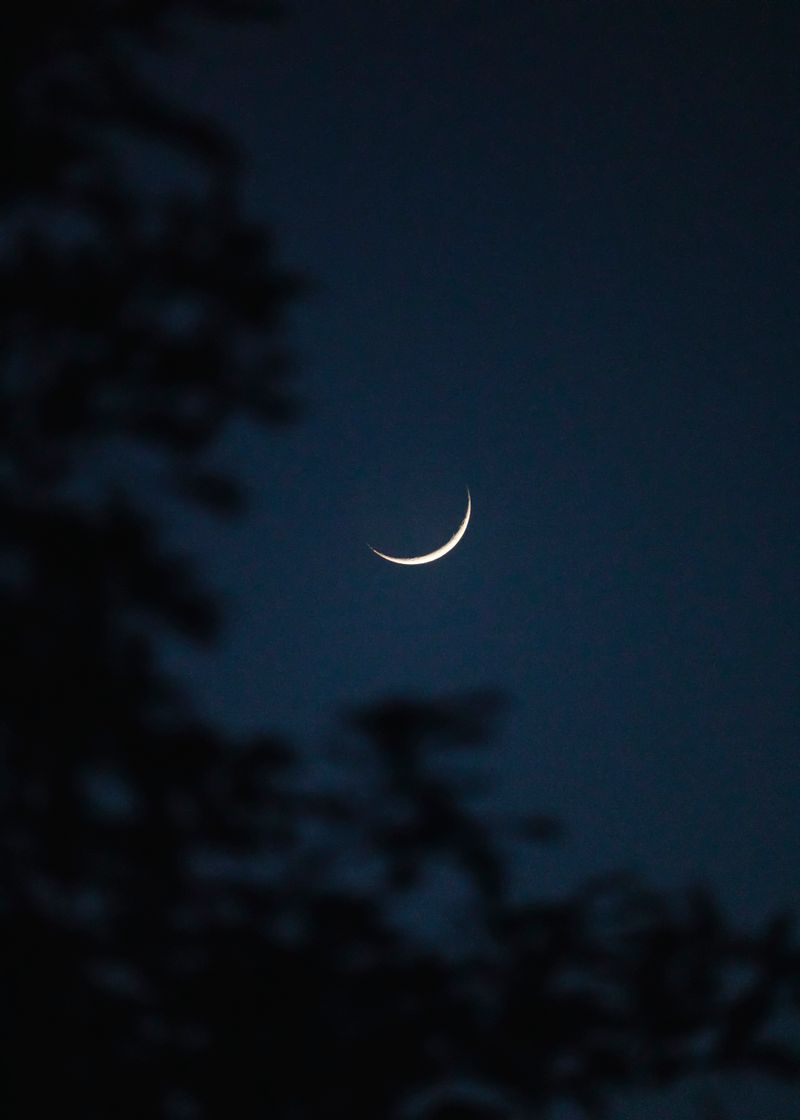
Picture this: thousands of women across India, dressed in vibrant reds and burgundies, gazing at the moon with devotion in their eyes. They've fasted since dawn, not for themselves, but for the long life and prosperity of their husbands. This is Karva Chauth—one of India's most sacred festivals where the bond of marriage is honoured through ritual and love. If you're observing this festival for the first time or seeking to deepen your practice, this complete puja vidhi will guide you through every step.
What You Need (Puja Samagri)
- Karva [earthen pot] — the ceremonial vessel central to the ritual
- Henna [mehendi] — applied to hands in preparation
- Wheat flour [gehun ka atta] — for making the sacred pattern
- Turmeric and vermillion [haldi aur sindoor] — auspicious marks
- Sweets and dry fruits [mithai aur phal] — offerings to the deity
- Oil lamp [diya] — with ghee and cotton wicks
- Fresh flowers [phoole] — preferably marigolds and jasmine
- Bajra or jowar grains [anaj] — symbolic grain offerings
- Incense sticks [agarbatti] — sandalwood or rose
- Clean cloth [suddha vastra] — white or red silk
- Water in a small vessel [pani ka bartan] — for ritual cleansing
- Moon sighting instrument [optional — binoculars] — for clear moon viewing
Step-by-Step Puja Vidhi
Step 1: Begin your fast at sunrise (or before eating anything). Many women prepare the previous evening and wake early to offer prayers to the Sun before commencing the fast.
Step 2: Bathe and wear fresh, preferably new clothes—traditionally a red or burgundy saree or suit. Apply henna to your hands in intricate designs; this is both a spiritual preparation and a beautiful tradition.
Step 3: Create a small altar [mandap] in your home, preferably facing north or east. Spread the clean cloth as your sacred space.
Step 4: Place the earthen pot (karva) at the centre of your altar. Inside the karva, arrange flowers, grains, and small sweets. This pot represents the womb—fertility, prosperity, and the continuity of the marital bond.
Step 5: Light the oil lamp and place it near the karva. The lamp symbolizes the eternal light of your husband's life and your prayers reaching the divine.
Step 6: Invoke the presence of Lord Ganesha first—chant "Om Gam Ganapataye Namah" three times. This removes all obstacles from your worship.
Step 7: Now invoke the Moon God (Chandra Dev) with sincerity. Recite the Chandra Mantra: "Om Chandramase Namah" or "Chandram Namami Chandram Bhakti Chandram." Focus your mind on the well-being and longevity of your husband.
Step 8: Offer the sweets, dry fruits, and grains to the karva with your right hand. Each offering carries your intention—speak silently: "I offer this for my husband's health, prosperity, and long life."
Step 9: Before breaking your fast, you may perform Kundali Milan of your birth chart with your husband's to understand deeper karmic connections, though this is optional and can be done separately using our Kundali Milan service.
Step 10: Wait until moonrise. The exact timing varies by region and lunar calendar. Check the Panchang for your specific location to know the precise moon sighting time.
Step 11: Once the moon is visible, look at it through a sieve [chalni] while holding it in front of your face. This ancient practice is believed to filter negative energies. Recite prayers for your husband's welfare.
Step 12: After moon sighting, offer water and the karva contents to the moon as final oblation. Your husband then offers you water and sweets, formally ending your fast. You touch his feet in respect and receive his blessings.
Best Time (Shubh Muhurta)
Karva Chauth falls on the Chaturthi tithi (fourth lunar day) of the Krishna Paksha (waning moon) in the Hindu month of Kartik (October-November). The fast is observed from sunrise and broken after moonrise.
To find the exact auspicious timing for your region, use the Muhurta Calculator which accounts for your location's latitude and longitude. Moonrise times vary significantly by geography—what applies in Delhi differs from Mumbai or Bangalore.
The nakshatra (lunar mansion) on Karva Chauth varies yearly. Consulting the Panchang ensures you're aligned with cosmic timing for maximum spiritual benefit.
Significance and Benefits
Karva Chauth embodies the sacred duty of a married woman—Pativrata Dharma—devotion to one's husband's welfare. This isn't blind obedience but a conscious channel of love and spiritual intention.
The fast is believed to strengthen the marital bond and invoke blessings for your husband's long life. Spiritually, the discipline of fasting purifies your body and mind, making you a clear vessel for divine blessings. The Moon, being the planet of the mind and emotions in Vedic astrology, becomes your cosmic ally on this night.
Many women report experiencing a profound sense of peace and connection during this puja. The ritual transforms personal worry into devotional action—instead of merely hoping for your husband's well-being, you're actively invoking cosmic forces through ritual.
Common Mistakes to Avoid
- Fasting with wrong intention: Don't fast out of fear or obligation. Approach it with love and conscious purpose.
- Ignoring local moon sighting time: Using a generic timing can delay your fast-breaking. Always verify moonrise timing for your exact location.
- Skipping the oil lamp: The diya is not decorative—it represents the sacred fire that carries your prayers upward.
- Eating impure food before the fast: Your pre-fast meal should be vegetarian and prepared with mindfulness.
- Neglecting husband participation: While traditionally observed by wives, the ritual gains power when husbands acknowledge and bless the fast-breaker.
FAQ
Q: Can divorced or separated women observe Karva Chauth?
A: Traditionally, Karva Chauth is observed for a living husband. However, modern interpretations allow women to adapt the ritual—some observe it for their own health and prosperity, others for male family members they wish to protect. The spirit of devotion transcends rigid boundaries. If you're uncertain, consult a knowledgeable family elder or spiritual guide.
Q: What if I can't see the moon due to weather?
A: If clouds obscure the moon, you can break your fast after performing the ritual with the intention that the moon is present. Some traditions allow breaking the fast after the designated moonrise time has passed, even if visibility is poor. Sincerity of devotion matters more than perfect conditions.
Q: Are there any astrological precautions I should know?
A: If your husband has challenging planetary placements like Mangal Dosha or is undergoing Sade Sati, your Karva Chauth fasting gains additional protective power. You can Generate Your Kundali to understand your birth chart's role in this sacred practice, adding a layer of personalized spiritual wisdom to your observance.
This ancient festival remains one of Hinduism's most beautiful expressions of conjugal love and spiritual dedication. Whether you're fasting for the first time or returning to a cherished family tradition, approach this night with an open heart and watch how the universe responds to your devotion.
Comments
🔮 Join the conversation — share your thoughts on this article
Login to Comment →