Imagine a place where devotion itself breathes life into stone, a temple born from pure faith. This is the magic of Grishneshwar, one of the twelve revered Jyotirlingas dedicated to Lord Shiva. Nestled near the magnificent Ellora Caves in Maharashtra, it’s a pilgrimage that touches not just the soul but also the deepest cosmic energies.
Where Faith First Sparked Lord Shiva's Light
The tale of Grishneshwar begins with a remarkable woman named Kusuma. Her life was marked by sorrow, but her unwavering devotion to Shiva was legendary. She would immerse a Shivalinga in a nearby tank each day, a simple act that held immense spiritual power.
It was this pure devotion that captivated Lord Shiva. He manifested in a form that granted her wishes, and this divine appearance is the very essence of the Grishneshwar Jyotirlinga. Though the current structure was lovingly rebuilt by the saintly Ahilyabai Holkar in the 18th century, its origins lie in that ancient, powerful act of faith.
Who is the Shiva You Meet Here?
Lord Shiva, the Mahadeva, is far more than just a deity; he is the cosmic dancer, the destroyer and transformer, the ultimate consciousness. In Hindu tradition, Shiva represents the dissolution of ego and illusion, paving the way for spiritual growth and moksha.
Here at Grishneshwar, Shiva is worshipped as the lord of compassion and solace. He is the one who bestows inner peace and liberates devotees from the cycle of suffering. Visiting this Jyotirlinga is like coming face-to-face with the benevolent aspect of the divine, ready to melt away your worries.
A Temple Built With Cosmic Blueprint
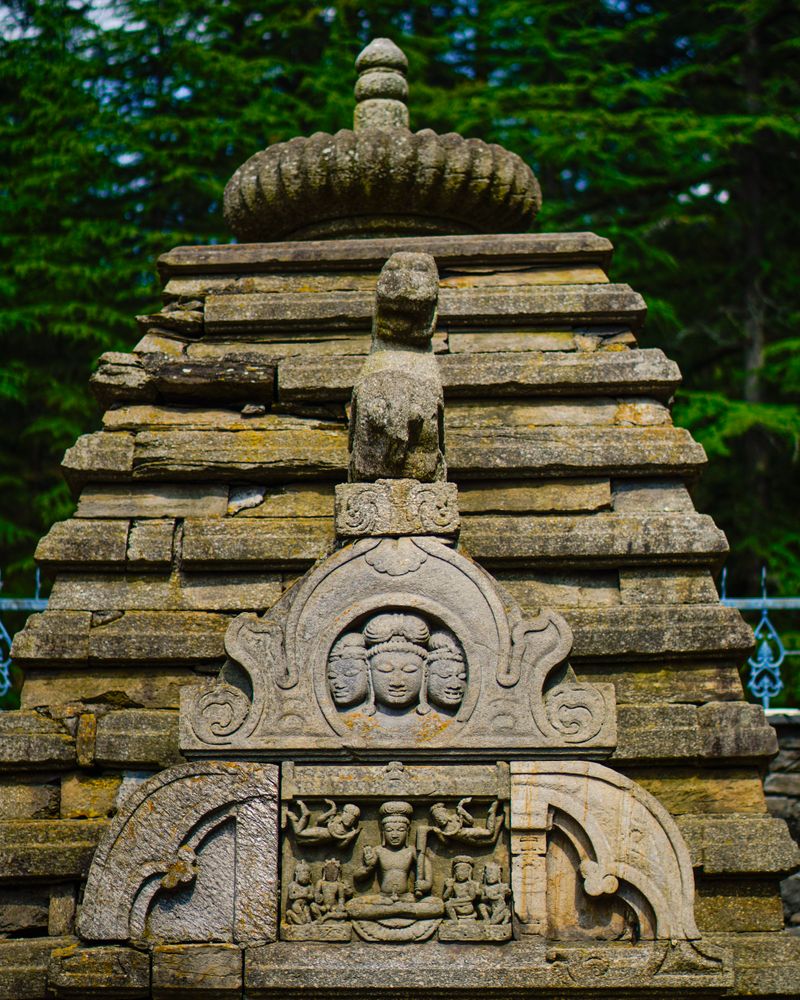
Grishneshwar Temple is a marvel of Hemadpanthi architecture, characterized by its intricate stone carvings and grand structure. It's designed to draw your attention upwards, towards the divine, with its lofty spires and detailed sculptures.
Interestingly, it is the smallest of the twelve Jyotirlingas, a testament to the belief that size holds no measure for divine presence. Its proximity to the UNESCO World Heritage site of Ellora Caves adds another layer to its historical and spiritual significance, creating a powerful nexus of ancient energies.
Your Stars Align for Grishneshwar's Grace
From a Vedic astrology perspective, the Jyotirlingas are considered powerful seats of Shiva's cosmic energy. Visiting Grishneshwar during specific astrological periods can amplify its transformative effects on your life.
If you are going through a challenging Saturn (Shani) Mahadasha or Antardasha, or experiencing difficult Shani transits (like Sade Sati), a pilgrimage to Grishneshwar can be exceptionally beneficial. Saturn governs karma and discipline, and Shiva, as the Adi Yogi, is believed to offer solace and guidance during these karmic lessons.
When is the Cosmic Timing for Your Visit?
Certain planetary influences can make your journey to Grishneshwar even more potent. If Jupiter (Guru) is well-placed in your chart or transiting favorably, it can enhance the spiritual wisdom and blessings you receive.
Conversely, if you are facing challenges related to Mars (Mangal) – perhaps aggression or obstacles – Shiva's calming energy here can help pacify the planet. The period of Shravana month (July-August) is considered highly auspicious for Shiva worship, making it an ideal time for pilgrimage.
The Sacred Rhythms of Grishneshwar
The temple pulsates with devotion throughout the year, but its spiritual fervor peaks during festivals like Maha Shivaratri and the Shravana month. These times are filled with special pujas, abhishekam, and a palpable divine energy.
The best time to visit for maximum spiritual benefit is generally during the winter months, from October to March. The weather is pleasant, allowing you to immerse yourself fully in the temple's serene atmosphere and absorb its blessings without distraction.
Your Practical Path to Divine Darshan
Grishneshwar is located in Verul village, just a short distance from Aurangabad, Maharashtra. The nearest airport and major railway station are in Aurangabad, offering good connectivity.
From Aurangabad, you can easily hire a taxi or take a local bus to reach the temple. While there isn't a strict dress code, it's advisable to dress modestly out of respect for the sacred space. The temple is typically open from early morning until late evening, allowing ample time for darshan.
Healing Mantras and Solutions Await
Devotees often visit Grishneshwar seeking relief from ailments, disputes, and a general sense of disharmony. The temple is known for its ability to grant peace and resolve complex issues through sincere prayer and specific Vedic remedies.
Chanting the Maha Mrityunjaya Mantra or the simple Shiva Panchakshari Mantra ("Om Namah Shivaya") within the temple premises can be profoundly healing. Participating in Rudrabhishekam, a sacred ritualistic bath for the Shivalinga, is also a powerful way to seek blessings and overcome obstacles.
One Thing You Can Do Today:
Begin your day with a simple "Om Namah Shivaya" chant, even just five times.
If possible, find a quiet moment to read or reflect on the story of Kusuma's devotion.
Plan your pilgrimage to Grishneshwar, even if it's just a distant dream for now – the intention itself holds power.
Comments
🔮 Join the conversation — share your thoughts on this article
Login to Comment →