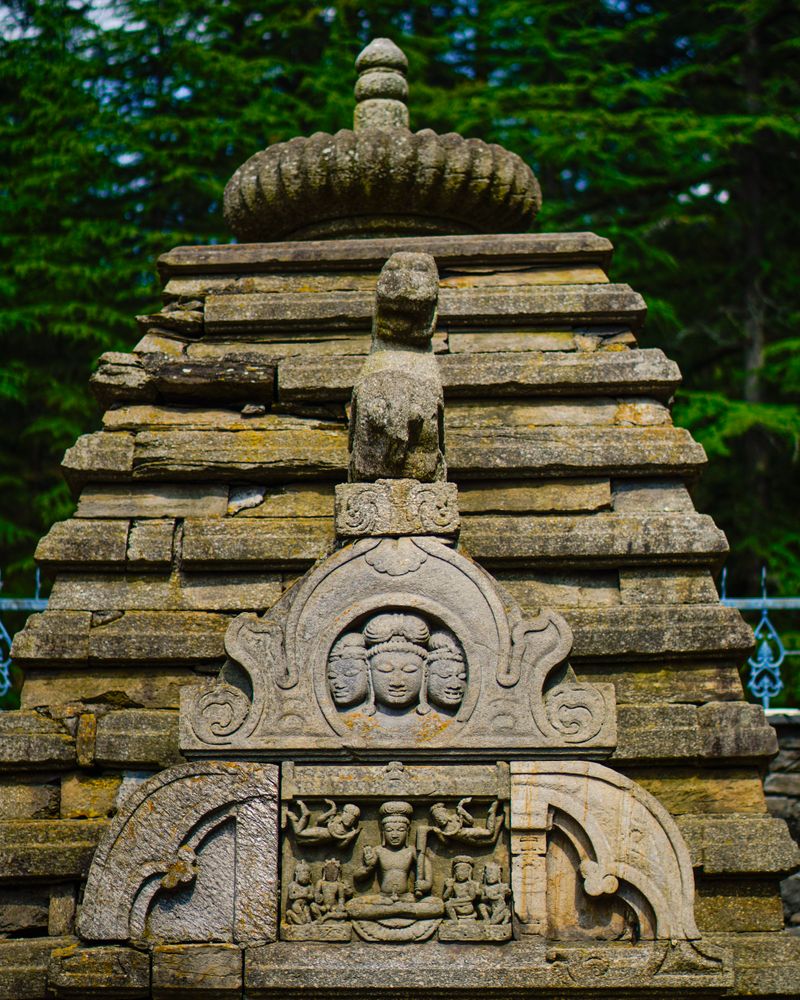
Imagine standing amidst the misty Sahyadri hills, the air alive with ancient chants and the scent of sacred tulsi. This is Bhimashankar, a place where the divine presence of Lord Shiva is palpable, nestled in the lap of nature's grandeur. It’s more than just a temple; it’s a confluence of mythology, architecture, and cosmic energy, especially potent for your spiritual journey.
The Legend of Bhima and Shiva's Wrath
The story of Bhimashankar is as dramatic as it is profound. It begins with Bhima, the mighty son of the Rakshasa Kumbhakarna, who had received a boon from Lord Brahma that made him incredibly powerful. After his father's demise at the hands of Lord Rama, Bhima vowed revenge and descended upon Earth, wreaking havoc.
His cruelties soon reached the heavens, and the sages and celestial beings prayed to Lord Shiva for intervention. The cosmic battle that ensued was fierce, shaking the very foundations of the universe. Shiva, in his fierce avatar, finally vanquished Bhima, and at the request of the gods and sages, promised to reside here eternally in the form of a Jyotirlinga.
What Does Lord Shiva Truly Represent?
Lord Shiva, the Mahadeva, is the destroyer and transformer in the Hindu Trinity. He represents the dissolution of the universe, making way for new creation. But beyond this awe-inspiring cosmic role, Shiva embodies detachment, asceticism, and profound meditation.
He is often depicted with ash smeared on his body, a tiger skin, and a trident, symbols of his mastery over ego, desire, and ignorance. For us, Shiva represents the ultimate truth, the boundless consciousness that exists beyond all forms and limitations, guiding us towards self-realization and liberation.
Architectural Marvels in the Sahyadris
The Bhimashankar temple itself is a testament to ancient craftsmanship, built in the Hemadpanti style. Though much of the original structure has been renovated over the centuries, its core essence remains.
Notice the intricate carvings and the distinctive blend of Marathi and Dravidian architectural influences. The temple complex, nestled within a lush wildlife sanctuary, adds a unique dimension, connecting the terrestrial power of the earth (often linked to Mars) with the celestial presence of Shiva. This serene setting amplifies the spiritual vibrations of the sacred site.
When Planets Align for a Divine Encounter
In Vedic astrology, the Jyotirlingas are considered celestial seats of Shiva’s infinite light, each resonating with specific cosmic energies. Visiting Bhimashankar during certain planetary configurations can be exceptionally transformative for you.
When Mars (Bhauma), the planet associated with energy, courage, and overcoming obstacles, is well-placed or transiting favorably in your chart, a pilgrimage here can be particularly powerful. It's believed that Mars’s fierce energy, mirrored in the Bhima legend and the surrounding wilderness, is calmed and transmuted by Shiva’s divine grace. This confluence can help you overcome inner battles and strengthen your resolve.
Furthermore, experiencing the Mahadasha or Antardasha of Rahu or Ketu, often associated with spiritual seeking and significant life changes, can make a pilgrimage to Bhimashankar incredibly potent. These periods are when you are most receptive to profound spiritual insights and divine interventions.
Unlocking Spiritual Power Through Festivals
The most auspicious time to visit Bhimashankar is during Maha Shivaratri, which falls in February or March. The divine energy is believed to be at its peak during this festival, offering devotees an unparalleled opportunity for spiritual connection.
Other significant periods include the month of Shravana (July-August), dedicated to Lord Shiva, where chanting and rituals here are amplified manifold. Visiting during these times can significantly deepen your spiritual experience and connect you more intimately with Shiva’s blessings.
Your Practical Pilgrimage Guide
Bhimashankar is located in the Khed taluka of Pune district, Maharashtra. The nearest major city is Pune, about 125 kilometers away. Pune Airport (PNQ) is the closest airport, and from there, you can hire a taxi or take a bus.
The best time to visit is during the post-monsoon season, from October to March, when the weather is pleasant, and the hills are lush green. While there's no strict dress code, it's advisable to wear modest clothing out of respect for the sacred space. Darshan timings usually start early in the morning and extend into the late evening, but it’s always good to check the latest schedule upon arrival.
Vedic Remedies for Your Soul's Journey
Devotees flock to Bhimashankar seeking solace from life's challenges and blessings for peace and prosperity. Specific pujas, like the Rudrabhishekam, are performed here, believed to appease Lord Shiva and mitigate malefic planetary influences.
Chanting the Mahamrityunjaya Mantra, dedicated to Shiva for protection and longevity, is highly recommended during your visit. Many come seeking relief from debt, health issues, or to overcome their inner demons, a journey symbolized by Shiva's victory over Bhima. Your heartfelt prayers here are believed to find a special resonance.
One Thing You Can Do Today:
Start chanting the Mahamrityunjaya Mantra for a few minutes each day. Even a small, consistent practice can begin to attune your energy to the profound peace and protective vibrations of Lord Shiva, preparing your spirit for a deeper connection at Bhimashankar.
Comments
🔮 Join the conversation — share your thoughts on this article
Login to Comment →