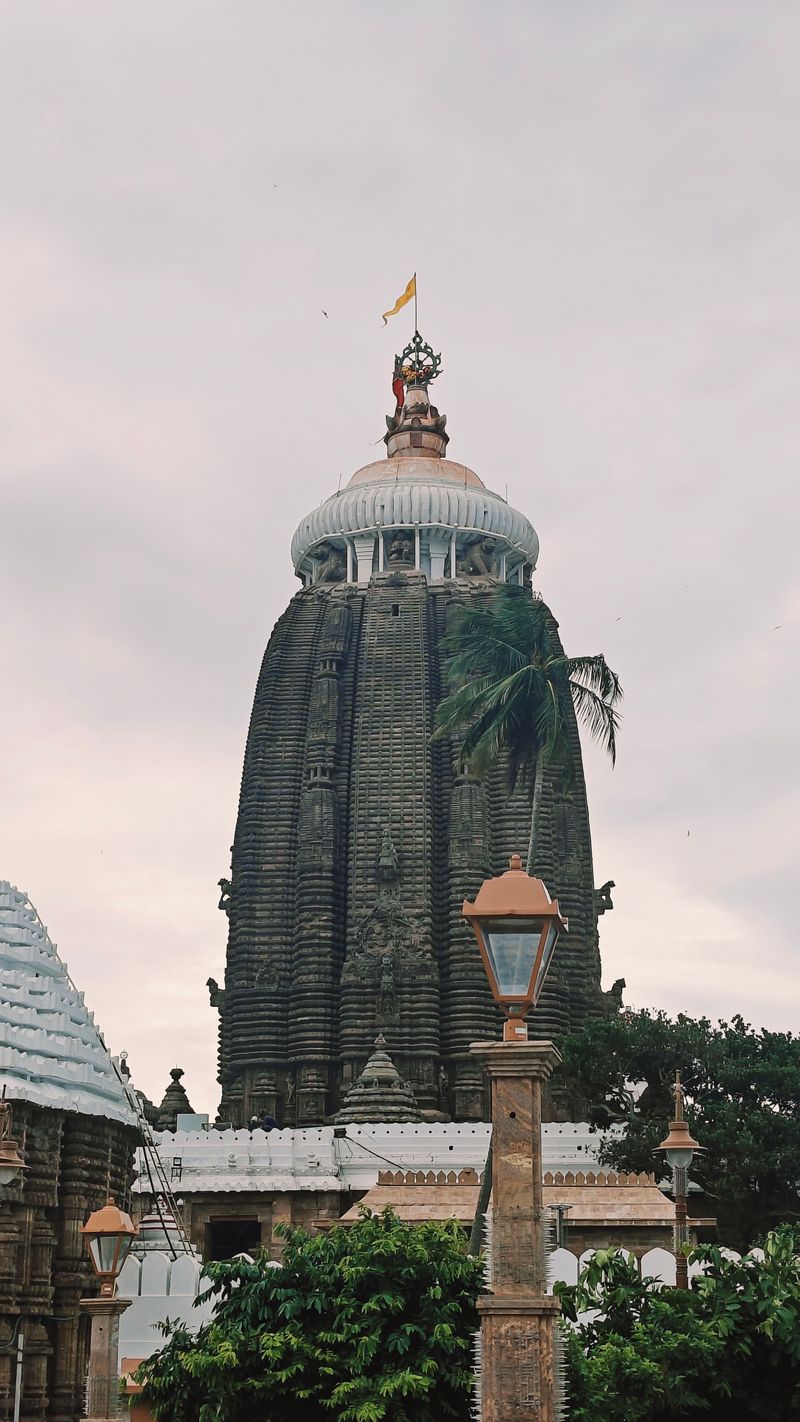
Imagine a place where the very air hums with ancient power, a sanctuary dedicated to the supreme healer, Lord Shiva. This is Baidyanath Dham in Deoghar, Jharkhand, one of the most revered Jyotirlingas. It’s more than just a temple; it’s a cosmic convergence point for healing, devotion, and spiritual awakening.
The Legend Whispered Through Ages
The story of Baidyanath Dham is intertwined with the epic Ramayana. It's believed that the demon king Ravana, in his quest for ultimate power, performed intense penance to Lord Shiva. Pleased with his devotion, Shiva granted him the boon of a powerful lingam. However, the boon came with a condition: if Ravana ever placed the lingam on the ground, it would remain fixed forever. On his way back to Lanka, Ravana was tricked by the gods into setting the lingam down in this very spot in Deoghar. Despite his desperate attempts, he couldn't lift it, and so it remains, a divine manifestation of Shiva's cosmic energy. This spot, marked by the powerful Jyotirlinga, became a beacon of divine intervention.
Who is Lord Shiva, the Ultimate Healer?
In the vast tapestry of Hindu mythology, Lord Shiva is the destroyer and transformer, the cosmic dancer, and the benevolent ascetic. He represents the dissolution of ignorance and ego, paving the way for new beginnings. As the "Baidyanath," he is specifically revered as the Lord who heals all ailments, both physical and spiritual. His presence here signifies his profound compassion and his ability to mend what is broken in our lives.
An Architectural Marvel Steeped in Devotion
The temple complex itself is a testament to centuries of faith. While the exact date of its construction is debated, its ancient stones speak of devotion dating back to antiquity. The main temple, dedicated to Baidyanath, is surrounded by smaller shrines, each adding to the sacred atmosphere. Its architectural style reflects the traditional Nagara school of temple design, with a distinct flavour of regional influences.
When the Stars Align for Your Healing
From a Vedic astrology perspective, certain celestial configurations make a pilgrimage to Baidyanath Dham particularly potent. When Jupiter (Guru), the planet of wisdom and expansion, is strong and favorably placed, or during your Guru Mahadasha, your spiritual receptivity is heightened. Similarly, visits during transits of Saturn (Shani) through favorable houses, especially the 9th or 10th, can bring profound lessons and karmic resolutions.
The presence of afflicted Rahu or Ketu in your birth chart, or during their respective dashas, often signals periods of confusion or spiritual searching. A visit to Baidyanath Dham during such challenging astrological times can be a powerful act of seeking divine grace for clarity and relief. It's a time when the divine physician can offer solace and guidance.
Festivals of Faith and the Best Time to Visit
The most electrifying time to visit Baidyanath Dham is during the Shravani Mela, which typically falls in July-August. This month-long festival draws millions of devotees, many of whom undertake the arduous but deeply rewarding journey of carrying Gangajal on foot from Sultanganj in Bihar to offer to the deity. The collective spiritual energy during this period is immense.
While Shravani Mela is peak time, any visit during the auspicious month of Shravana (July-August) offers enhanced spiritual vibrations. The winter months, from October to March, also provide a pleasant climate for pilgrimage. The cool, clear air seems to amplify the spiritual resonance of the sacred site.
Your Practical Journey to the Divine Physician
Reaching Baidyanath Dham is quite accessible. The nearest major railway station is Jasidih Junction, which is well-connected to major cities. Deoghar itself has an airport, though flight connectivity might be limited. The best season to visit, outside of the Shravani Mela, is between October and March for comfortable weather. While there's no strict dress code, modest attire is always recommended out of respect for the sanctity of the place. Daily darshan timings are generally from early morning to late evening, with specific breaks for temple rituals.
Seeking Solace and Solutions Here
Devotees flock to Baidyanath Dham seeking remedies for a multitude of ailments and life's challenges. Specific pujas, like the Maha Mrityunjaya Jaap or Rudrabhishekam, are performed here to invoke Shiva's healing energies. People come to overcome chronic illnesses, mental distress, and to find peace from astrological afflictions.
The very name "Baidyanath" means "Lord of the Healers," emphasizing his role in curing diseases. In Jyotish, when planets like Saturn or Mars cause health issues, or when there's a general imbalance, Shiva's divine intervention is sought. The remedies offered here aim to purify karma, heal the body, and restore spiritual balance, making this Jyotirlinga a powerful sanctuary for those seeking complete well-being.
One Thing You Can Do Today
Even if you cannot visit physically, you can connect with Baidyanath's energy. Chant the Maha Mrityunjaya Mantra: "Om Tryambakam Yajamahe Sugandhim Pushtivardhanam Urvarukamiva Bandhanan Mrityor Mukshiya Maamritat." Visualize Lord Shiva as the divine physician, offering healing light.
Comments
🔮 Join the conversation — share your thoughts on this article
Login to Comment →