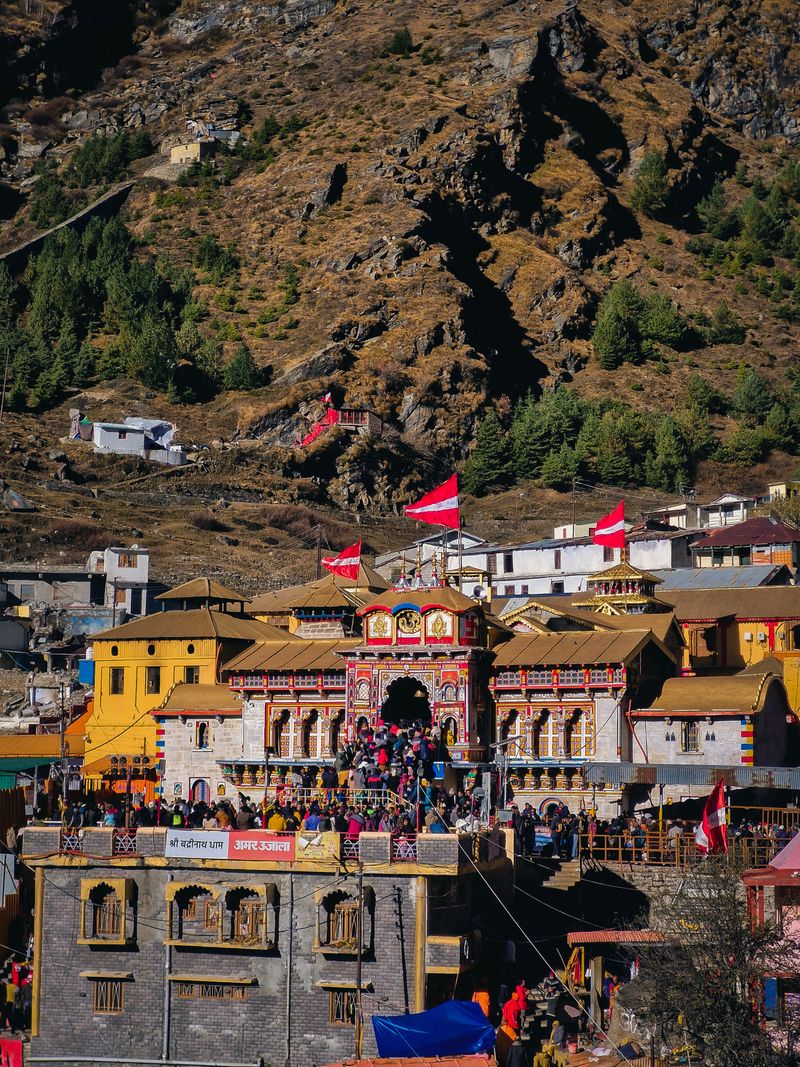
The Himalayas hold secrets whispered through millennia, and at their heart lies Badrinath, a place where the divine presence of Lord Vishnu, as Badri Narayan, is palpable. This sacred shrine, nestled amidst snow-capped peaks, is more than just a temple; it's a spiritual magnet drawing seekers from every corner of the earth. Imagine standing before the azure sky, breathing in the crisp mountain air, and feeling an ancient peace settle over your soul.
The Ancient Legend of Badrinath
The story of Badrinath begins with a profound act of devotion. It's said that Sage Vyasa, who composed the Mahabharata, meditated here for ages, seeking divine wisdom. Later, Adi Shankaracharya, the great philosopher and saint, discovered the idol of Lord Badri Narayan in the Alaknanda River and established this holy site in the 9th century. The very ground you walk on is steeped in spiritual endeavor and divine revelation.
This founding narrative sets the stage for the immense spiritual energy that permeates Badrinath, inviting you to connect with its timeless legacy.
Who is Lord Badri Narayan?
Lord Badri Narayan is a form of Lord Vishnu, the preserver and protector of the universe. Mythology recounts that Lord Vishnu once meditated intensely at Badrinath for a thousand years. Goddess Lakshmi, worried about his austerities, took the form of a Badari tree (Indian jujube) to shade him from the sun. In gratitude, Lord Vishnu declared that this place would be known as Badrikashram, and the deity here would be known as Badri Narayan.
He represents the cosmic order, the guiding force of dharma, and the ultimate liberation from the cycle of birth and death. Visiting Badrinath is an opportunity to seek his blessings for righteousness and spiritual growth.
An Architectural Marvel Touched by Heaven
The Badrinath Temple, though rebuilt several times due to natural calamities, retains its ancient charm. Its pagoda-style architecture, with a gold-plated conical roof, stands out against the rugged mountain landscape. The temple complex, built of stone, has intricate carvings and a serene atmosphere that transports you to a realm of devotion.
While it doesn't currently hold UNESCO World Heritage status, its historical and religious significance makes it a site of immense cultural value. The sheer beauty and spiritual aura of the structure are a testament to the devotion it inspires.
The Cosmic Connection: Jyotish and Badrinath
Badrinath holds a special place in Vedic astrology, being one of the sacred Char Dham pilgrimage sites and one of the 108 Divya Desams revered by Vaishnavites. Astrologically, this sacred abode is deeply connected with the energy of Jupiter (Guru). Jupiter signifies wisdom, dharma, knowledge, expansion, and spiritual guidance.
Visiting Badrinath during periods influenced by Jupiter's grace can amplify your capacity for understanding, adherence to righteousness, and your quest for spiritual enlightenment. The fact that the temple is open only from May to November aligns with the celestial movements and auspicious timings for pilgrimage, especially around Guru Purnima.
When Does the Universe Align for Your Visit?
Certain planetary configurations can make a pilgrimage to Badrinath particularly potent for your spiritual journey. If you are undergoing a strong Jupiter (Guru) dasha or a favorable transit of Jupiter, especially when it aspects your ascendant or influences your ninth house (the house of dharma and fortune), a visit can amplify the positive effects.
Similarly, if you are seeking guidance, wisdom, or liberation, and Jupiter is prominent in your birth chart, Badrinath can serve as a powerful catalyst for fulfilling these aspirations. The universe conspires to offer profound insights during these times.
Embracing the Sacred Rhythms
The Badrinath Temple observes a unique seasonal opening and closing. It typically opens in late April or early May, coinciding with the melting of snow, and closes in mid-November, as winter descends. The period around Guru Purnima (usually July) is considered exceptionally auspicious for visiting, as it honors the divine teacher, Guru.
While any time during the open season offers spiritual merit, consider the weather and crowd patterns. Early May or late October might offer a more serene experience. The atmosphere during festivals like the opening and closing ceremonies is spiritually charged.
Your Practical Path to the Divine
Reaching Badrinath requires a journey, but the destination is worth every step. The nearest major airport is Jolly Grant Airport in Dehradun, followed by a scenic drive or bus journey to Rishikesh or Haridwar. From there, you'll embark on a captivating drive through the Himalayas to Chamoli district, the gateway to Badrinath.
The best season to visit is during the summer and early autumn months (May to October) when the weather is pleasant. Dress modestly and respectfully, covering your shoulders and knees, as is appropriate for a holy site. Arrive early for Darshan to experience the temple's tranquility before the crowds gather.
Remedies for a Soulful Life
Devotees visit Badrinath seeking blessings for wisdom, prosperity, good health, and liberation from karmic ties. Specific pujas dedicated to Lord Badri Narayan are offered, invoking his divine grace. Chanting the Vishnu Sahasranama or the simple mantra "Om Namo Bhagavate Vasudevaya" with sincere devotion can amplify the spiritual benefits of your visit.
Many come seeking relief from obstacles related to Jupiter, such as delays in marriage, financial hurdles, or a lack of direction. The spiritual energy of Badrinath is believed to help dissolve these challenges, paving the way for a more dharmic and fulfilling life.
One Thing You Can Do Today
Reflect on your life's purpose and what dharma means to you. If you are drawn to Badrinath, start planning your pilgrimage with intention and devotion. Even from afar, you can chant "Om Namo Bhagavate Vasudevaya" and send your prayers towards this sacred abode.
Comments
🔮 Join the conversation — share your thoughts on this article
Login to Comment →