Imagine sitting by a quiet river, the gentle flow mirroring the calm you seek within. Gyan Mudra, often called Chin Mudra, is a simple yet profound gesture that can help you find that inner stillness. It’s a key that unlocks a treasure trove of mental clarity and spiritual insight, deeply rooted in Vedic traditions and yoga.
What Exactly Is Gyan Mudra?
This mudra involves a specific way of positioning your hands that creates a circuit for subtle energy. It’s the most recognized mudra, often seen in images of enlightened beings and yogis.
The precise placement isn't complicated, and anyone can do it. It’s about bringing your awareness to the tips of your index and thumb fingers.
How to Form the Gesture
To begin, find a comfortable seated position. Sit upright, with your spine naturally aligned, whether on a cushion or a chair.
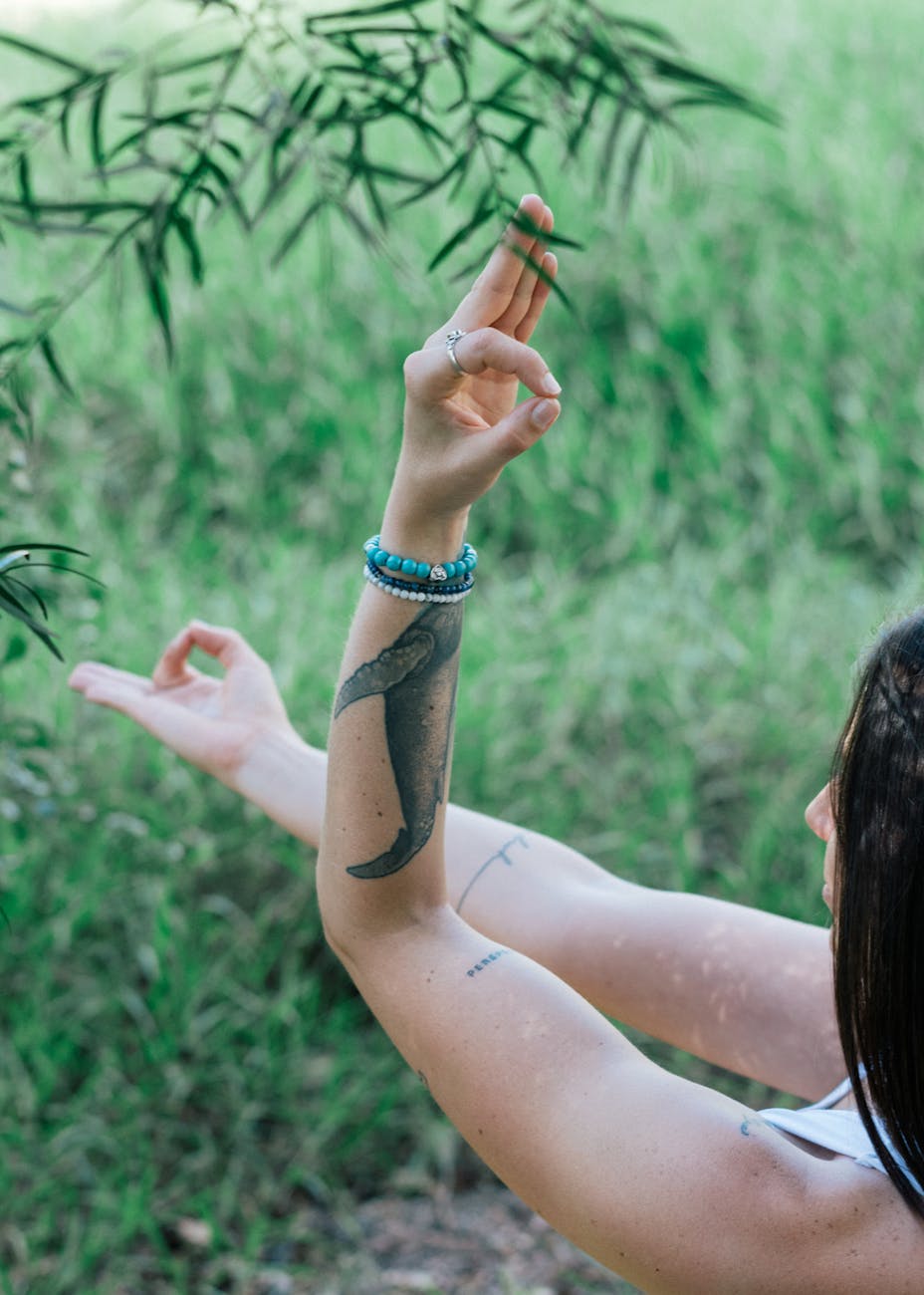
Bring your hands to rest on your knees or thighs, palms facing upwards. Now, gently touch the tip of your index finger to the tip of your thumb on each hand.
The other three fingers—middle, ring, and little—should remain extended and relaxed, pointing away from your palm. Keep your hands relaxed; don't force the pressure where the index and thumb meet. This simple connection is the gateway.
The Elements and Planets at Play
Gyan Mudra is associated with the element of Air (Vayu) and the planet Jupiter (Guru). Think about the qualities of air: it's everywhere, it moves, it carries, and it can be both gentle and powerful.
Jupiter, the 'Guru' or teacher, signifies wisdom, knowledge, and expansion. When you practice Gyan Mudra, you are inviting the expansive, wise energy of Jupiter and the pervasive, communicative energy of Air into your being.
This combination helps to refine your intellect and open you to higher knowledge. It’s as if you’re tuning into a universal wisdom channel.
How Does It Affect Your Energy Flow?
In Vedic traditions, our body is crisscrossed by subtle energy channels called nadis. Gyan Mudra is believed to influence the flow of prana, or life force, through these nadis.
By connecting the thumb (representing consciousness, or Shiva) and the index finger (representing individual consciousness, or the ego), this mudra helps to reduce the influence of ego. This reduction is crucial for clearing mental blockages and allowing prana to flow unimpeded.
It helps to balance the distribution of prana, leading to greater harmony within your physical and energetic systems. This balanced flow is the foundation for well-being.
Physical and Mental Wonders You'll Notice
Practicing Gyan Mudra regularly can bring about noticeable improvements in your cognitive functions. Many people report enhanced memory and a sharper ability to concentrate, making daily tasks feel smoother.
It’s also a powerful ally against stress and anxiety. The calming effect washes over you, like a gentle wave receding from the shore, leaving behind a sense of peace.
This mudra has a direct impact on quieting the restless mind. By stilling the mental chatter, it prepares you for deeper states of relaxation and awareness.
Spiritual Gains Through Meditation
When you incorporate Gyan Mudra into your meditation practice, its spiritual benefits truly blossom. It fosters mental clarity, allowing you to see situations and yourself with greater objectivity.
This heightened clarity is a stepping stone towards deeper self-awareness and spiritual insight. You begin to connect with your inner wisdom and intuition more profoundly.
The mudra helps to create a sacred space within, making your meditation a truly transformative experience. It’s a direct link to your higher consciousness.
Daily Practice: Duration and Posture
For optimal benefits, aim to practice Gyan Mudra for 10-15 minutes daily. You can do this once or twice a day, perhaps in the morning or before bed.
The best sitting posture is any comfortable cross-legged position like Sukhasana (Easy Pose) or Padmasana (Lotus Pose), with an erect spine. However, you can also practice it while standing or even lying down if sitting is difficult.
Both hands are typically used simultaneously to create a balanced circuit of energy. It amplifies the mudra’s effects.
The Ideal Time and When to Be Cautious
While you can practice Gyan Mudra any time of day, mornings are often recommended to set a calm and focused tone for your day. Evenings can help release the day’s stress.
There are very few contraindications for Gyan Mudra. However, if you have a Vata imbalance that manifests as excessive dryness or coldness, be mindful. This mudra can slightly increase the Air element, so listen to your body.
It’s generally considered safe and beneficial for most individuals seeking inner peace.
Balancing Your Ayurvedic Doshas
Gyan Mudra specifically pacifies the Vata dosha by grounding and calming the mind. Excessive Vata can lead to restlessness, anxiety, and scattered thoughts.
By promoting stability and focus, it helps to bring balance to Vata energies. This can be particularly helpful during times of stress or when Vata imbalances are pronounced.
A balanced Vata contributes to mental clarity and emotional stability. This mudra is a gentle way to support that equilibrium.
Divine Gestures in Deities
You’ll often find deities like Goddess Saraswati, the embodiment of knowledge and arts, or Lord Ganesha, the remover of obstacles, depicted with Gyan Mudra. Saraswati’s gesture signifies her bestowal of wisdom and learning upon her devotees.
Lord Vishnu or Shiva are also sometimes shown in this mudra, symbolizing their divine knowledge and consciousness. It’s a gesture that signifies supreme wisdom and enlightenment.
These divine representations reinforce the mudra’s deep spiritual significance. They serve as visual reminders of the wisdom it can unlock.
Amplifying Effects with Pranayama and Mantra
To deepen the impact of Gyan Mudra, combine it with specific practices. Pranayama techniques like Nadi Shodhana (Alternate Nostril Breathing) can purify your energy channels, making the mudra’s effect more potent.
Chanting a mantra like "Om" or a personal mantra while holding Gyan Mudra creates a powerful synergy. The vibration of the mantra resonates with the stillness and focus cultivated by the mudra.
This integrated approach allows for a holistic experience, calming the mind, invigorating the spirit, and enhancing overall well-being. It’s a beautiful way to harmonize your being.
One Thing You Can Do Today:
Sit comfortably for five minutes with Gyan Mudra. Breathe deeply and focus on the gentle connection of your thumb and index finger. Notice the subtle shift in your state of mind.
FAQ
Q1: Is Chin Mudra different from Gyan Mudra?
While sometimes used interchangeably, Chin Mudra typically has palms facing upwards, signifying receiving wisdom, whereas Gyan Mudra can have palms facing down, symbolizing imparting knowledge or grounding wisdom. However, for practical purposes and general well-being, the hand position described for Gyan Mudra is often what people refer to as Chin Mudra in yoga.
Q2: Can I do Gyan Mudra if I can't sit in a cross-legged posture?
Absolutely! The effectiveness of Gyan Mudra relies on the hand gesture and your mental focus, not necessarily a specific sitting posture. You can practice it while sitting on a chair with your feet flat on the floor, standing, or even lying down.
Q3: How quickly will I see benefits from practicing Gyan Mudra?
Benefits can be subtle and cumulative. While some may feel immediate calmness, others might notice improved concentration or memory over weeks of consistent practice. Patience and regularity are key.
शांत नदी के किनारे बैठे हुए की कल्पना करें, जिसकी कोमल धारा आपको भीतर खोजने वाली शांति को दर्शाती है। ज्ञान मुद्रा, जिसे अक्सर चिन्ह मुद्रा भी कहा जाता है, एक सरल लेकिन गहरा हावभाव है जो आपको उस आंतरिक शांति को खोजने में मदद कर सकता है। यह एक ऐसी कुंजी है जो वैदिक परंपराओं और योग में गहराई से निहित मानसिक स्पष्टता और आध्यात्मिक अंतर्दृष्टि के खजाने को खोलती है।
ज्ञान मुद्रा क्या है?
इस मुद्रा में आपके हाथों की एक विशेष स्थिति शामिल होती है जो सूक्ष्म ऊर्जा के लिए एक सर्किट बनाती है। यह सबसे पहचानी जाने वाली मुद्रा है, जो अक्सर प्रबुद्ध प्राणियों और योगियों की छवियों में देखी जाती है।
इसकी सटीक स्थिति जटिल नहीं है, और कोई भी इसे कर सकता है। यह आपकी तर्जनी उंगली और अंगूठे के सिरों पर जागरूकता लाने के बारे में है।
हावभाव कैसे बनाएं
शुरू करने के लिए, एक आरामदायक बैठने की स्थिति खोजें। सीधे बैठें, आपकी रीढ़ स्वाभाविक रूप से संरेखित हो, चाहे वह कुशन पर हो या कुर्सी पर।
अपने हाथों को अपनी घुटनों या जांघों पर टिकाएं, हथेलियाँ ऊपर की ओर हों। अब, धीरे से प्रत्येक हाथ में अपनी तर्जनी उंगली के सिरे को अपने अंगूठे के सिरे से स्पर्श करें।
अन्य तीन उंगलियां - मध्यमा, अनामिका और छोटी उंगली - फैली हुई और शिथिल रहनी चाहिए, जो हथेली से दूर इशारा कर रही हों। अपने हाथों को आराम से रखें; तर्जनी और अंगूठे के मिलने के स्थान पर दबाव न डालें। यह सरल जुड़ाव ही प्रवेश द्वार है।
सक्रिय तत्व और ग्रह
ज्ञान मुद्रा वायु तत्व (वायु) और बृहस्पति ग्रह (गुरु) से जुड़ी है। हवा के गुणों के बारे में सोचें: यह हर जगह है, यह चलती है, यह ले जाती है, और यह कोमल और शक्तिशाली दोनों हो सकती है।
बृहस्पति, 'गुरु' या शिक्षक, ज्ञान, विद्या और विस्तार का प्रतीक है। जब आप ज्ञान मुद्रा का अभ्यास करते हैं, तो आप बृहस्पति की विस्तारवादी, बुद्धिमान ऊर्जा और वायु की सर्वव्यापी, संवादात्मक ऊर्जा को अपने भीतर आमंत्रित कर रहे होते हैं।
यह संयोजन आपकी बुद्धि को परिष्कृत करने और आपको उच्च ज्ञान के प्रति खोलने में मदद करता है। यह ऐसा है जैसे आप एक सार्वभौमिक ज्ञान चैनल को ट्यून कर रहे हों।
यह आपके ऊर्जा प्रवाह को कैसे प्रभावित करता है?
वैदिक परंपराओं में, हमारा शरीर नाड़ियों नामक सूक्ष्म ऊर्जा चैनलों से भरा हुआ है। माना जाता है कि ज्ञान मुद्रा इन नाड़ियों के माध्यम से प्राण, या जीवन शक्ति के प्रवाह को प्रभावित करती है।
अंगूठे (चेतना, या शिव का प्रतिनिधित्व) और तर्जनी उंगली (व्यक्तिगत चेतना, या अहंकार का प्रतिनिधित्व) को जोड़कर, यह मुद्रा अहंकार के प्रभाव को कम करने में मदद करती है। यह कमी मानसिक बाधाओं को दूर करने और प्राण को निर्बाध रूप से प्रवाहित करने के लिए महत्वपूर्ण है।
यह प्राण के वितरण को संतुलित करने में मदद करता है, जिससे आपके शारीरिक और ऊर्जावान प्रणालियों के भीतर अधिक सामंजस्य स्थापित होता है। यह संतुलित प्रवाह कल्याण का आधार है।
आपको दिखाई देने वाले शारीरिक और मानसिक चमत्कार
नियमित रूप से ज्ञान मुद्रा का अभ्यास करने से आपके संज्ञानात्मक कार्यों में ध्यान देने योग्य सुधार हो सकता है। कई लोग बढ़ी हुई स्मृति और एकाग्रता की तेज क्षमता की रिपोर्ट करते हैं, जिससे दैनिक कार्य अधिक सुचारू रूप से हो जाते हैं।
यह तनाव और चिंता के खिलाफ एक शक्तिशाली सहयोगी भी है। शांति का प्रभाव आप पर छा जाता है, जैसे किनारे से पीछे हटती हुई एक कोमल लहर, पीछे शांति की भावना छोड़ जाती है।
इस मुद्रा का बेचैन मन को शांत करने पर सीधा प्रभाव पड़ता है। मानसिक बकबक को शांत करके, यह आपको विश्राम और जागरूकता की गहरी अवस्थाओं के लिए तैयार करता है।
ध्यान के माध्यम से आध्यात्मिक लाभ
जब आप अपने ध्यान अभ्यास में ज्ञान मुद्रा को शामिल करते हैं, तो इसके आध्यात्मिक लाभ वास्तव में खिलते हैं। यह मानसिक स्पष्टता को बढ़ावा देता है, जिससे आप स्थितियों और खुद को अधिक निष्पक्षता से देख पाते हैं।
यह बढ़ी हुई स्पष्टता गहरी आत्म-जागरूकता और आध्यात्मिक अंतर्दृष्टि की ओर एक कदम है। आप अपनी आंतरिक बुद्धि और अंतर्ज्ञान से अधिक गहराई से जुड़ना शुरू करते हैं।
यह मुद्रा भीतर एक पवित्र स्थान बनाने में मदद करती है, जिससे आपका ध्यान वास्तव में परिवर्तनकारी अनुभव बन जाता है। यह आपकी उच्च चेतना से सीधा संबंध है।
दैनिक अभ्यास: अवधि और आसन
सर्वोत्तम लाभ के लिए, दैनिक 10-15 मिनट के लिए ज्ञान मुद्रा का अभ्यास करने का लक्ष्य रखें। आप इसे दिन में एक या दो बार कर सकते हैं, शायद सुबह या बिस्तर से पहले।
बैठने का सबसे अच्छा आसन कोई भी आरामदायक पालथी मारकर बैठना है जैसे सुखासन (आसान आसन) या पद्मासन (कमल आसन), जिसमें रीढ़ सीधी हो। हालाँकि, यदि बैठना मुश्किल हो तो आप इसे खड़े होकर या लेटकर भी कर सकते हैं।
ऊर्जा के संतुलित सर्किट बनाने के लिए दोनों हाथों का आमतौर पर एक साथ उपयोग किया जाता है। यह मुद्रा के प्रभाव को बढ़ाता है।
आदर्श समय और कब सावधान रहें
हालांकि आप दिन में किसी भी समय ज्ञान मुद्रा का अभ्यास कर सकते हैं, अक्सर सुबह के समय को दिन के लिए एक शांत और केंद्रित स्वर निर्धारित करने के लिए अनुशंसित किया जाता है। शाम दिन के तनाव को दूर करने में मदद कर सकती है।
ज्ञान मुद्रा के लिए बहुत कम मतभेद हैं। हालांकि, यदि आपके पास वात असंतुलन है जो अत्यधिक सूखापन या ठंडक के रूप में प्रकट होता है, तो सावधान रहें। यह मुद्रा वायु तत्व को थोड़ा बढ़ा सकती है, इसलिए अपने शरीर की सुनें।
यह आम तौर पर आंतरिक शांति चाहने वाले अधिकांश व्यक्तियों के लिए सुरक्षित और फायदेमंद माना जाता है।
अपने आयुर्वेदिक दोषों को संतुलित करना
ज्ञान मुद्रा विशेष रूप से वात दोष को शांत करती है, जिससे मन को जमीन से जोड़ा जाता है और शांत किया जाता है। अत्यधिक वात बेचैनी, चिंता और बिखरे हुए विचारों का कारण बन सकता है।
स्थिरता और ध्यान को बढ़ावा देकर, यह वात ऊर्जाओं को संतुलित करने में मदद करता है। यह विशेष रूप से तनाव के समय या जब वात असंतुलन स्पष्ट होता है, तब सहायक हो सकता है।
संतुलित वात मानसिक स्पष्टता और भावनात्मक स्थिरता में योगदान देता है। यह मुद्रा उस संतुलन का समर्थन करने का एक कोमल तरीका है।
देवताओं में दिव्य हावभाव
आपको अक्सर देवी सरस्वती, ज्ञान और कला की अवतार, या भगवान गणेश, बाधाओं को दूर करने वाले, ज्ञान मुद्रा में चित्रित मिलेंगे। सरस्वती का हावभाव उनके भक्तों पर ज्ञान और सीखने का उनका आशीर्वाद दर्शाता है।
भगवान विष्णु या शिव को भी कभी-कभी इस मुद्रा में दिखाया जाता है, जो उनके दिव्य ज्ञान और चेतना का प्रतीक है। यह सर्वोच्च ज्ञान और प्रबुद्धता को दर्शाने वाला एक हावभाव है।
ये दिव्य चित्रण मुद्रा के गहरे आध्यात्मिक महत्व को पुष्ट करते हैं। वे उस ज्ञान के दृश्य अनुस्मारक के रूप में काम करते हैं जिसे वह खोल सकती है।
प्राणायाम और मंत्र के साथ प्रभाव बढ़ाना
ज्ञान मुद्रा के प्रभाव को गहरा करने के लिए, इसे विशिष्ट अभ्यासों के साथ जोड़ें। नाड़ी शोधन (एकांतर नासिका श्वास) जैसी प्राणायाम तकनीकें आपकी ऊर्जा नलिकाओं को शुद्ध कर सकती हैं, जिससे मुद्रा का प्रभाव अधिक शक्तिशाली हो जाता है।
ज्ञान मुद्रा पकड़े हुए "ओम" या व्यक्तिगत मंत्र जैसे मंत्र का जाप करना एक शक्तिशाली तालमेल बनाता है। मंत्र का कंपन मुद्रा द्वारा संवर्धित शांति और ध्यान के साथ प्रतिध्वनित होता है।
यह एकीकृत दृष्टिकोण एक समग्र अनुभव की अनुमति देता है, मन को शांत करता है, आत्मा को स्फूर्ति प्रदान करता है, और समग्र कल्याण को बढ़ाता है। यह आपके होने को सामंजस्यपूर्ण बनाने का एक सुंदर तरीका है।
आज आप एक चीज कर सकते हैं:
ज्ञान मुद्रा में पांच मिनट के लिए आराम से बैठें। गहरी सांस लें और अपने अंगूठे और तर्जनी उंगली के कोमल जुड़ाव पर ध्यान केंद्रित करें। अपने मन की स्थिति में सूक्ष्म बदलाव को महसूस करें।
अक्सर पूछे जाने वाले प्रश्न (FAQ)
Q1: क्या चिन्ह मुद्रा ज्ञान मुद्रा से अलग है?
हालांकि कभी-कभी इन्हें एक दूसरे के स्थान पर उपयोग किया जाता है, चिन्ह मुद्रा में आमतौर पर हथेलियाँ ऊपर की ओर होती हैं, जो ज्ञान प्राप्त करने का प्रतीक है, जबकि ज्ञान मुद्रा में हथेलियाँ नीचे की ओर हो सकती हैं, जो ज्ञान प्रदान करने या ज्ञान को स्थिर करने का प्रतीक है। हालांकि, व्यावहारिक उद्देश्यों और सामान्य कल्याण के लिए, ज्ञान मुद्रा के लिए वर्णित हाथ की स्थिति अक्सर वही होती है जिसे योग में चिन्ह मुद्रा के रूप में संदर्भित किया जाता है।
Q2: क्या मैं ज्ञान मुद्रा कर सकता हूँ यदि मैं पालथी मारकर नहीं बैठ सकता?
बिल्कुल! ज्ञान मुद्रा की प्रभावशीलता हाथ के हावभाव और आपके मानसिक ध्यान पर निर्भर करती है, जरूरी नहीं कि किसी विशेष बैठने की स्थिति पर। आप इसे कुर्सी पर बैठकर, पैर फर्श पर सपाट रखकर, खड़े होकर, या लेटकर भी कर सकते हैं।
Q3: ज्ञान मुद्रा का अभ्यास करने से मुझे कितनी जल्दी लाभ दिखाई देगा?
लाभ सूक्ष्म और संचयी हो सकते हैं। जबकि कुछ लोग तत्काल शांति महसूस कर सकते हैं, अन्य नियमित अभ्यास के हफ्तों में बेहतर एकाग्रता या स्मृति देख सकते हैं। धैर्य और नियमितता महत्वपूर्ण हैं।
Comments
🔮 Join the conversation — share your thoughts on this article
Login to Comment →